

Coronary Artery Disease
Also known as: CAD, Ischemic Heart Disease, Atherosclerotic Heart Disease
Overview
Coronary artery disease (CAD) is a chronic cardiovascular condition in which the arteries that supply blood to the heart muscle become narrowed or blocked, most often due to atherosclerosis—the gradual buildup of fatty deposits, cholesterol, inflammatory cells, calcium, and fibrous tissue within artery walls. Over time, this process can reduce blood flow to the heart, particularly during exertion or stress, and may contribute to symptoms such as chest pressure (angina), shortness of breath, reduced exercise tolerance, or fatigue. In some cases, CAD remains silent until it presents as a heart attack, arrhythmia, or heart failure.
CAD is one of the most common causes of illness and death worldwide. Major risk factors include high LDL cholesterol, hypertension, diabetes, smoking, chronic kidney disease, obesity, sedentary lifestyle, poor sleep, chronic stress, and family history. Age and sex also influence risk, though CAD affects all populations. Modern research increasingly views CAD not only as a problem of cholesterol accumulation, but also as a disorder involving vascular inflammation, endothelial dysfunction, immune signaling, thrombosis risk, and metabolic health.
From an integrative health perspective, people often explore complementary approaches in the context of CAD to support overall cardiovascular resilience, quality of life, stress regulation, dietary patterns, inflammation balance, and recovery after cardiac events or procedures. This area requires careful context: while lifestyle and supportive therapies may play a meaningful role, CAD can become medically urgent, especially when symptoms are unstable or severe. Complementary approaches are generally discussed as adjuncts to professional care, not replacements for evidence-based evaluation and treatment.
Because CAD exists on a spectrum—from mild plaque buildup to advanced obstructive disease—the topic often overlaps with broader concerns such as heart attack prevention, angina management, circulation, vascular aging, and cardiometabolic health. Any discussion of CAD benefits from distinguishing between risk reduction, symptom burden, acute emergencies, and long-term recovery, since the evidence base and safety considerations differ across these stages.
Medical Perspectives
Two Ways of Seeing Health

Western
scientific · clinical
Western medicine applies science, technology, and clinical experience to treat symptoms through testing, diagnosis, and targeted intervention.

Eastern
traditional · alternative
Eastern medicine focuses on treating the body naturally by applying traditional knowledge practiced for thousands of years, emphasizing balance and whole-person wellness.
Gold Bamboo presents both perspectives side-by-side so you can make informed decisions. We don't advocate for one over the other — your health choices are yours.
Western Medicine Perspective
Western Medicine Perspective
In conventional medicine, CAD is understood primarily as a manifestation of atherosclerotic cardiovascular disease. The disease process begins years before symptoms appear and involves injury or dysfunction of the inner arterial lining, accumulation of apoB-containing lipoproteins, local inflammatory activity, and eventual plaque formation. Some plaques gradually narrow arteries and limit blood flow; others may become unstable and rupture, triggering clot formation and acute coronary syndrome, including heart attack. Diagnosis may involve history and symptom review, physical examination, laboratory assessment of lipids and metabolic markers, electrocardiography, stress testing, coronary CT angiography, calcium scoring, echocardiography, or invasive coronary angiography, depending on clinical context.
Conventional management focuses on reducing cardiovascular events and preserving heart function. This typically includes attention to lipid lowering, blood pressure control, antiplatelet therapy when indicated, diabetes management, smoking cessation, nutrition, physical activity, and cardiac rehabilitation. In some patients, procedures such as percutaneous coronary intervention (stenting) or coronary artery bypass grafting are used to improve blood flow or address high-risk anatomy. Research strongly supports comprehensive risk-factor management, especially after a heart attack or in established atherosclerotic disease.
Interest in complementary support within western care often centers on areas such as Mediterranean-style dietary patterns, supervised exercise, stress reduction, sleep optimization, mind-body interventions, and selected supplements with safety review. However, supplement-drug interactions are a major concern in CAD, particularly for people taking anticoagulants, antiplatelet agents, nitrates, blood pressure medications, or statins. For that reason, conventional cardiology generally emphasizes that any integrative strategy be discussed with a cardiologist or qualified healthcare professional, especially in those with prior heart attack, angina, stents, bypass surgery, or multiple medications.
Eastern & Traditional Perspective
Eastern / Traditional Medicine Perspective
In Traditional Chinese Medicine (TCM), coronary-type symptoms are often discussed under patterns related to "chest impediment" (xiong bi) or heart pain, rather than as a single disease entity defined by arterial imaging. Traditional frameworks may interpret symptoms through patterns such as blood stasis, phlegm accumulation, qi deficiency, yang deficiency, or constraint affecting the heart and liver systems. The therapeutic aim historically has been to restore harmonious circulation of qi and blood, reduce stagnation, and support constitutional weakness. TCM approaches may include individualized herbal formulas, acupuncture, breathing practices, dietary therapy, and lifestyle regulation. Some modern studies have explored TCM formulations and acupuncture as adjunctive support for angina symptoms, exercise tolerance, stress, and recovery, though study quality and standardization vary.
In Ayurveda, cardiovascular disorders may be interpreted through imbalances involving doshas, impaired tissue nourishment, disturbed circulation, and accumulation concepts analogous to metabolic congestion. Traditional discussion may involve the heart (hridaya), channels of circulation, digestive/metabolic function (agni), and the buildup of ama in susceptible individuals. Ayurvedic care has historically emphasized individualized diet, daily routine, stress management, gentle movement, and botanicals selected according to constitution and presentation. As with TCM, these approaches are typically framed as supporting systemic balance rather than directly replacing emergency or interventional cardiac care.
Naturopathic and integrative traditions often focus on CAD through the lenses of inflammation, oxidative stress, endothelial health, nutrition, autonomic balance, and whole-person recovery. Common supportive themes include plant-forward eating patterns, stress reduction, sleep health, social connection, and carefully reviewed adjunctive nutraceuticals. Across traditional systems, there is broad agreement that the heart is influenced not only by physical circulation but also by emotional strain, rest, digestion, and long-term lifestyle patterns. At the same time, responsible integrative practice generally recognizes that suspected angina, heart attack symptoms, or sudden worsening of cardiac symptoms require immediate conventional medical evaluation.
Supplements & Products
Recommended Products

Undo It!: How Simple Lifestyle Changes Can Reverse Most Chronic Diseases: Ornish M.D., Dean, Ornish, Anne
Anne and Dean Ornish, MD present <strong>a simple yet powerful new unifying theory explaining why and how simple lifestyle changes can reverse many chronic diseases and how quickly these benefits occu
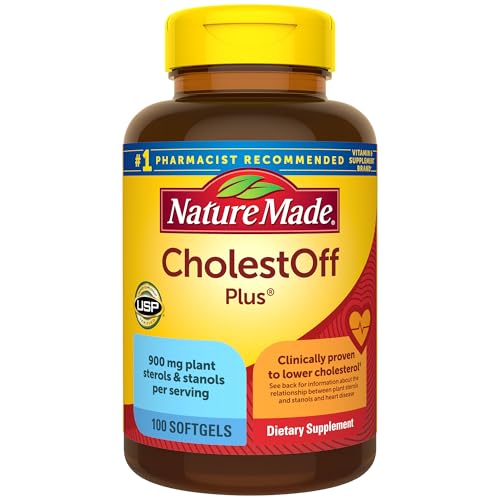
Nature Made CholestOff Plus, Dietary Supplement for Heart Health Support, 100 Softgels, 25 Day Supply
Nature Made CholestOff Plus is ... Phytosterols (plant sterols and stanols) <strong>lower cholesterol by reducing the absorption of dietary cholesterol into the bloodstream</strong>(1). Adults, take t

NOW Foods Supplements, Psyllium Husk Powder, Non-GMO Project Verified, Soluble Fiber, 24-Ounce
Soluble fiber from foods such as psyllium seed husks, as part of a diet low in saturated fat and cholesterol, may reduce the risk of heart disease. A serving of psyllium husk powder supplies 6 grams o

Herbal Medicine: Biomolecular and Clinical Aspects, Second Edition (Oxidative Stress and Disease Book 28) 2, Benzie, Iris F. F., Wachtel-Galor, Sissi - Amazon.com
Herbal Medicine: Biomolecular and Clinical Aspects, Second Edition (<strong>Oxidative Stress and Disease Book 28</strong>) - Kindle edition by Benzie, Iris F. F., Wachtel-Galor, Sissi. Download it onc

THORNE - Red Yeast Rice + CoQ10 - Maintain Healthy Cholesterol Levels & Supports Cardiovascular Health - Added Antioxidant Support* - Gluten-Free, Dairy-Free - 120 Servings
Red Yeast Rice with CoQ10 Supplement | Healthy Cholesterol Levels & Heart Health Support | Extra Strength Red Yeast Rice 1200 MG (600 MG Per Capsule) with Monakolin K | <strong>No Citrinin</strong

Himalaya Organic Arjuna, 60 Day Supply - Herbal Supplement Supporting Heart Health and Normal Blood Pressure - USDA Organic, Vegan, Non-GMO, Gluten Free, 700 mg, 60 Caplets
This <strong>plant-based heart health herbal supplement supports cardiovascular wellness and blood pressure levels within a normal range</strong>.* ... Highly efficacious with 250 mg of organic Arjuna
Evidence & Sources
Supported by multiple clinical trials and systematic reviews
- American Heart Association
- American College of Cardiology/American Heart Association Guideline for the Diagnosis and Management of Chronic Coronary Disease
- European Society of Cardiology Guidelines on Chronic Coronary Syndromes
- National Heart, Lung, and Blood Institute (NHLBI)
- World Health Organization
- New England Journal of Medicine
- Circulation
- Journal of the American College of Cardiology
- National Center for Complementary and Integrative Health (NCCIH)
This content is for informational purposes only and does not constitute medical advice. Always consult a qualified healthcare provider before starting, stopping, or changing any supplement or medication regimen.