

COPD (Chronic Obstructive Pulmonary Disease)
Overview
Chronic Obstructive Pulmonary Disease (COPD) is a long-term, progressive lung condition characterized by persistent airflow limitation, usually caused by a combination of small airway disease and destruction of lung tissue (emphysema). The term COPD commonly includes chronic bronchitis and emphysema, though many people have overlapping features of both. Symptoms often develop gradually and may include shortness of breath, chronic cough, mucus production, wheezing, reduced exercise tolerance, and recurrent respiratory infections. Periods of sudden worsening, called exacerbations, are a major cause of hospitalization and declining lung function.
COPD is a major global public health issue. It is strongly associated with cigarette smoking, but it can also arise from biomass fuel exposure, air pollution, occupational dusts and chemicals, recurrent respiratory infections, and genetic factors such as alpha-1 antitrypsin deficiency. Research from global respiratory health organizations indicates that COPD is among the leading causes of illness, disability, and death worldwide, particularly in older adults, though it can also affect younger individuals with significant exposures or inherited risk.
The disease is now understood not only as a disorder of the lungs, but as a condition with whole-body consequences. Many people with COPD also live with cardiovascular disease, anxiety, depression, osteoporosis, muscle loss, metabolic disease, and sleep-related breathing problems. This broader view is important because symptom burden, quality of life, and prognosis are influenced by more than lung function alone. In both conventional and traditional frameworks, COPD is often seen as a condition requiring long-term management, prevention of flare-ups, and attention to resilience, function, and daily living.
Although COPD is generally considered not fully reversible, its course can vary widely. Earlier recognition, reduction of environmental exposures, pulmonary rehabilitation, vaccination, medication when appropriate, nutritional support, breathing strategies, and careful monitoring of exacerbations may all influence outcomes. Integrative discussions often focus on how conventional care can be combined with supportive lifestyle and traditional approaches, while emphasizing that people with breathing symptoms benefit from evaluation by a qualified healthcare professional.
Western Medicine Perspective
Western / Conventional Medicine Perspective
In conventional medicine, COPD is defined as a preventable and treatable respiratory disease marked by chronic airflow obstruction that is usually progressive and associated with an abnormal inflammatory response to noxious particles or gases. Diagnosis typically relies on clinical history, exposure history, symptom pattern, and spirometry, with post-bronchodilator FEV1/FVC < 0.70 commonly used to confirm persistent airflow limitation. Imaging, oxygen assessment, exercise testing, and laboratory work may also be used to characterize disease severity, identify emphysema, evaluate complications, and rule out alternative diagnoses such as asthma, bronchiectasis, heart failure, or interstitial lung disease.
Conventional management emphasizes risk reduction and symptom control. Major pillars include smoking cessation support, avoidance of inhaled irritants, vaccination, inhaled medications such as bronchodilators and sometimes inhaled corticosteroids in selected patients, and pulmonary rehabilitation to improve function and quality of life. Long-term oxygen therapy may be used in people with significant chronic hypoxemia, and some patients are evaluated for interventions such as lung volume reduction procedures or transplant. Acute exacerbations are treated as serious events because they can accelerate decline and increase mortality risk.
Research strongly supports the value of pulmonary rehabilitation, smoking cessation, vaccination, and appropriate inhaled therapy in reducing symptoms and exacerbation burden in many patients. At the same time, outcomes vary, and treatment plans are increasingly individualized based on exacerbation history, symptom severity, eosinophil count, coexisting asthma features, and comorbid conditions. Current guidelines also recognize the importance of nutrition, physical activity, mental health support, palliative care when appropriate, and multidisciplinary follow-up. Anyone with worsening breathlessness, bluish lips, confusion, chest pain, or signs of severe respiratory distress requires urgent medical evaluation.
Eastern & Traditional Perspective
Eastern / Traditional Medicine Perspective
In Traditional Chinese Medicine (TCM), COPD is not framed as a single disease entity in the modern biomedical sense, but symptoms such as chronic cough, wheezing, phlegm retention, and labored breathing are often interpreted through patterns involving the Lung, Spleen, and Kidney systems. Common traditional concepts include Lung qi deficiency, phlegm-damp accumulation, Kidney failing to grasp qi, and, during flare-ups, invasion of external pathogenic factors such as wind-cold or wind-heat. TCM theory often views chronic respiratory illness as a mixture of deficiency at the root and excess at the branch, meaning constitutional weakness may coexist with phlegm, stagnation, or heat. Traditional approaches may include individualized herbal formulas, acupuncture, breathing practices, and dietary patterning aimed at supporting respiratory function and reducing symptom burden.
In Ayurveda, chronic breathlessness and obstructive respiratory symptoms may be discussed in relation to Shwasa Roga, especially patterns involving Vata and Kapha imbalance. Excess Kapha is traditionally associated with mucus accumulation and heaviness, while disturbed Vata may relate to labored or irregular breathing. Ayurvedic management has historically included herbs, digestive support, daily routines, and breathing practices intended to improve resilience and balance. Naturopathic and other traditional systems may similarly emphasize environmental reduction, breathing retraining, nutrition, stress regulation, and botanical support, particularly for chronic inflammation, mucus regulation, and fatigue.
The research base for traditional approaches in COPD is mixed and still developing. Some studies suggest that acupuncture, mind-body breathing exercises, and selected herbal medicine protocols may improve quality of life, dyspnea scores, or exercise tolerance when used alongside standard care. However, study quality is variable, herbal formulations differ substantially, and safety considerations matter, especially in people taking multiple medications or living with severe lung disease. From an integrative standpoint, traditional therapies are generally discussed as adjunctive rather than replacement approaches, and coordination with licensed healthcare professionals is important, particularly because COPD exacerbations can become medically urgent.
Supplements & Products
Recommended Products
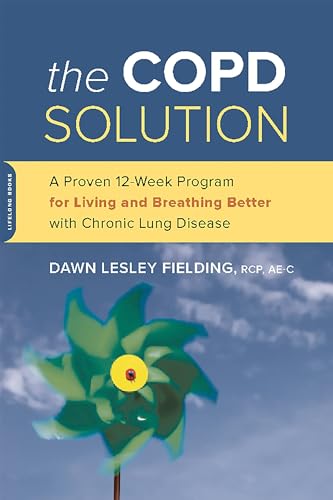
The COPD Solution: A Proven 10-Week Program for Living and Breathing Better with Chronic Lung Disease: Fielding, Dawn Lesley
Respiratory Therapist Dawn Lesley Fielding shares the program she has used in her own practice -- with an astonishing 100% success rate<strong>offering techniques and tools to make breathing easier a

Pflex Inspiratory Muscle Trainer
Buy Pflex Inspiratory Muscle Trainer on Amazon.com ✓ FREE SHIPPING on qualified orders

NOW Supplements, NAC (N-Acetyl Cysteine) 600 mg with Selenium, 250 Veg Capsules
Buy NOW Supplements, NAC (N-Acetyl Cysteine) 600 mg with Selenium, 250 Veg Capsules on Amazon.com ✓ FREE SHIPPING on qualified orders
Evidence & Sources
Promising research with growing clinical support from multiple studies
- Global Initiative for Chronic Obstructive Lung Disease (GOLD)
- World Health Organization (WHO)
- National Heart, Lung, and Blood Institute (NHLBI)
- American Thoracic Society
- European Respiratory Journal
- New England Journal of Medicine
- Cochrane Database of Systematic Reviews
- National Center for Complementary and Integrative Health (NCCIH)
This content is for informational purposes only and does not constitute medical advice. Always consult a qualified healthcare provider before starting, stopping, or changing any supplement or medication regimen.