

Chronic Sinusitis
Also known as: Sinus Infection
Chronic Sinusitis Overview
Chronic sinusitis, often termed chronic rhinosinusitis (CRS) in clinical literature, refers to persistent inflammation of the nasal passages and paranasal sinuses lasting 12 weeks or longer. Common features include nasal congestion, facial pressure, reduced sense of smell, postnasal drip, and thick nasal discharge. Unlike an acute sinus infection, chronic sinusitis is not always driven by active infection; in many cases, it reflects a long-standing inflammatory process influenced by immune activity, structural factors, allergies, environmental exposures, and the nasal microbiome.
CRS is a common condition worldwide and can significantly affect sleep, concentration, breathing comfort, and quality of life. It is often divided into subtypes such as chronic rhinosinusitis with nasal polyps and without nasal polyps, because these forms can differ in underlying immune patterns and treatment responses. Asthma, allergic rhinitis, aspirin-exacerbated respiratory disease, and recurrent respiratory infections are frequently discussed alongside chronic sinusitis because they may coexist and contribute to symptom burden.
From a broader health perspective, chronic sinusitis has attracted interest beyond conventional care because of its tendency to recur and its links to inflammation, diet, immune regulation, and environmental triggers. Research into supportive strategies has explored saline irrigation, allergen reduction, smoking avoidance, and, to a lesser extent, dietary patterns and herbal compounds with anti-inflammatory or mucosal-supportive properties. Evidence in these complementary areas varies considerably, and many approaches remain adjunctive rather than primary therapies.
Because symptoms of chronic sinusitis can overlap with migraine, dental disease, allergic conditions, and other nasal disorders, accurate diagnosis matters. Evaluation by a qualified healthcare professional is important, particularly when symptoms are persistent, worsening, associated with fever, vision changes, severe headache, or repeated infections. An integrative discussion may help place dietary, botanical, and lifestyle approaches in context while respecting the strengths and limitations of each medical system.
Compare Treatment Options
Sinus issues is a broad, patient-friendly term that can include nasal congestion, facial pressure, postnasal drip, thick mucus, reduced sense of smell, recurrent sinus infections, and chronic sinus inflammation. In clinical practice, these symptoms may overlap with acute viral upper respiratory infections, allergic rhinitis, chronic rhinosinusitis, structural blockage, irritant exposure, or medication-related congestion. That overlap is one reason treatment options vary: the same symptom of “blocked sinuses” may arise from allergy-driven inflammation, infection, dryness, swelling, or impaired sinus drainage. Gold Bamboo’s related content on sinus congestion, chronic sinusitis, allergic rhinitis, decongestants, and fluticasone is especially relevant here. Western care often focuses on identifying drivers such as inflammation, infection, and anatomy, then matching therapies like saline irrigation, intranasal corticosteroids, decongestants, or procedural care when needed. Eastern approaches, including acupuncture and selected herbal strategies, are traditionally used to support breathing comfort, mucus clearance, and overall symptom balance. Research quality varies by treatment, so a balanced review considers symptom severity, duration, tolerance for side effects, urgency, and how much daily maintenance a person is realistically able to sustain.
View treatment comparison (7 options)Medical Perspectives
Two Ways of Seeing Health

Western
scientific · clinical
Western medicine applies science, technology, and clinical experience to treat symptoms through testing, diagnosis, and targeted intervention.

Eastern
traditional · alternative
Eastern medicine focuses on treating the body naturally by applying traditional knowledge practiced for thousands of years, emphasizing balance and whole-person wellness.
Gold Bamboo presents both perspectives side-by-side so you can make informed decisions. We don't advocate for one over the other — your health choices are yours.
Western Medicine Perspective
Western Medicine Perspective
In conventional medicine, chronic sinusitis is understood as a multifactorial inflammatory disorder rather than simply a lingering infection. Current models emphasize the interaction of mucosal inflammation, impaired sinus drainage, biofilms, immune dysregulation, allergy, anatomical narrowing, and microbial imbalance. Diagnosis typically relies on a combination of symptoms and objective findings from nasal endoscopy or CT imaging, since symptoms alone may not reliably distinguish CRS from other causes of facial pressure or nasal obstruction.
Standard management often focuses on reducing inflammation and improving sinus ventilation. Clinical guidelines frequently discuss saline nasal irrigation and intranasal corticosteroids as core non-surgical measures, while antibiotics may be reserved for selected cases where bacterial infection is strongly suspected. In more complex or refractory disease, clinicians may assess for nasal polyps, fungal involvement, immunodeficiency, asthma, or structural issues such as a deviated septum. Endoscopic sinus surgery may be considered when medical therapy does not adequately control symptoms or when anatomy significantly contributes to obstruction.
Interest in diet and supplements exists, but the evidence is uneven. Some studies suggest that overall anti-inflammatory dietary patterns, hydration, and management of food sensitivities may influence symptom perception in some individuals, especially where reflux, allergy, or systemic inflammation are relevant. Herbal products and nutraceuticals such as bromelain, cineole-containing preparations, or selected botanical combinations have been studied more in acute rhinosinusitis or mixed upper respiratory conditions than in well-defined chronic sinusitis. As a result, conventional medicine generally views these options as adjuncts with limited or emerging evidence, rather than established treatments.
From a safety standpoint, clinicians also consider the possibility of medication interactions, allergy to herbal ingredients, and delays in evaluating serious complications. Persistent CRS may warrant coordinated care involving primary care, allergy/immunology, or otolaryngology, especially when symptoms are recurrent or associated with asthma, polyps, or impaired smell.
Eastern & Traditional Perspective
Eastern and Traditional Medicine Perspective
In Traditional Chinese Medicine (TCM), chronic sinus symptoms are often interpreted through patterns such as Wind-Heat, Damp-Heat, Phlegm accumulation, or underlying Lung and Spleen qi deficiency, depending on the presentation. Congestion, thick discharge, headache, and heaviness may be framed as a combination of external pathogenic factors and internal imbalance affecting the nasal passages. TCM approaches have traditionally included individualized herbal formulas, acupuncture, and dietary modifications intended to reduce dampness, clear heat, and support constitutional resilience. Rather than treating "sinusitis" as a single entity, TCM typically differentiates among symptom patterns before selecting supportive therapies.
In Ayurveda, chronic sinus issues may be discussed under conditions involving imbalance of Kapha dosha, sometimes with contribution from Vata or Pitta depending on dryness, inflammation, or discharge characteristics. Heaviness, excess mucus, sluggishness, and congestion are classic Kapha-associated features. Traditional Ayurvedic care may include herbs, warming spices, breathing practices, and nasal oiling practices, with attention to digestion, seasonal influences, and foods thought to increase mucus or dampness. As with TCM, the emphasis is often on restoring systemic balance rather than addressing only the local sinus tissues.
Within naturopathic and integrative traditions, chronic sinusitis is often viewed through a lens of mucosal immunity, inflammation, microbiome health, environmental irritants, and food reactivity. Commonly discussed supportive options include steam inhalation, saline rinsing, quercetin-rich foods, bromelain, elderflower, thyme, andrographis, ivy leaf, or other botanicals used traditionally for upper respiratory congestion. However, the quality of evidence for many of these interventions in chronic sinusitis specifically remains limited, and findings from acute respiratory studies do not always translate directly to CRS.
Traditional systems may offer useful frameworks for symptom patterning and whole-person care, especially regarding diet, environment, and constitution. At the same time, chronic or severe symptoms still merit conventional evaluation to rule out structural disease, fungal complications, polyps, or other underlying conditions. An integrative approach is often most balanced when traditional practices are considered complementary and are discussed with qualified healthcare professionals familiar with both safety and evidence limitations.
Supplements & Products
Recommended Products

Sinus Survival: The Holistic Medical Treatment for Allergies, Colds, and Sinusitis: Ivker, Robert S.
Sinus Survival provides crucial guidance and information on such topics as: - <strong>how to select over-the-counter drugs that won't do more harm than good</strong>; -how to learn simple exercis

NeilMed Sinus Rinse - A Complete Sinus Nasal Rinse Kit, 50 count (Pack of 1) Count may vary
Buy NeilMed Sinus Rinse - A Complete Sinus Nasal Rinse Kit, 50 count (Pack of 1) Count may vary on Amazon.com ✓ FREE SHIPPING on qualified orders
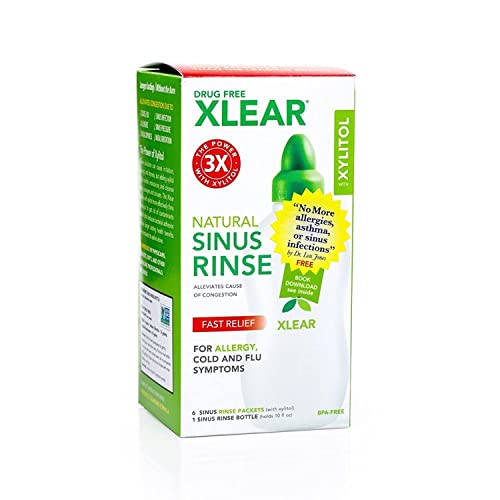
Xlear Natural Xylitol Nasal Irrigation System with 6 Saline Packets and 1 Sinus Rinse Bottle - Nose Cleaner for Fast Pressure and Congestion Relief (Pack of 1)
Our saline packets sinus rinse <strong>offers a superior nasal and sinus congestion relief and keeps sinuses healthy for clear breathing</strong>. Xlear natural sinus rinse can also be used with our n
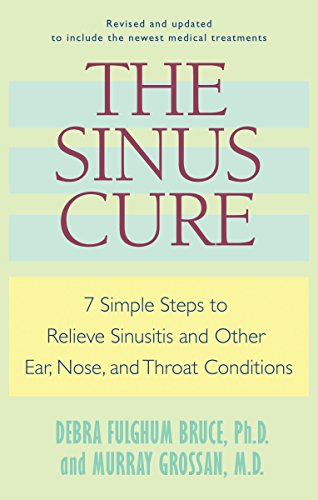
The Sinus Cure: 7 Simple Steps to Relieve Sinusitis and Other Ear, Nose, and Throat Conditions: Bruce, Debra Fulghum
Grossan claims that while each ... is key to relief. By <strong>frequently cleansing the sinuses with saline solution, mucus, bacteria, and allergens are gently removed and the chance of infection red

Flonase Allergy Relief Nasal Spray, 24 Hour Non Drowsy Allergy Medicine, Metered Nasal Spray - 144 Sprays (Pack of 2) - Fall and Seasonal Allergy Relief : Everything Else
Amazon Basic Care 24-Hour Allergy Relief Nasal Spray, Fluticasone Propionate (Glucocorticoid), 50 mcg, Full Prescription Strength, Non-Drowsy, 0.62 Fl Oz · Flonase Sensimist Allergy Relief Nasal Spray
Evidence & Sources
Promising research with growing clinical support from multiple studies
- International Consensus Statement on Allergy and Rhinology (ICAR): Rhinosinusitis
- American Academy of Otolaryngology–Head and Neck Surgery Foundation Clinical Practice Guideline: Adult Sinusitis
- European Position Paper on Rhinosinusitis and Nasal Polyps (EPOS)
- National Center for Complementary and Integrative Health (NCCIH)
- National Institute of Allergy and Infectious Diseases (NIAID)
- The Journal of Allergy and Clinical Immunology
- International Forum of Allergy & Rhinology
- Cochrane Reviews
This content is for informational purposes only and does not constitute medical advice. Always consult a qualified healthcare provider before starting, stopping, or changing any supplement or medication regimen.