

Chronic Prostatitis
Also known as: CP/CPPS, Chronic Prostatitis (CP/CPPS)
Overview
Chronic prostatitis/chronic pelvic pain syndrome (CP/CPPS) is a long-lasting condition characterized by pelvic or perineal pain, urinary symptoms, and sometimes sexual or ejaculatory discomfort in the absence of a clear ongoing bacterial infection. It is the most common form of prostatitis and is typically defined by symptoms lasting at least 3 of the previous 6 months. Although the term includes the prostate, CP/CPPS is increasingly understood as a broader pelvic pain disorder involving the urinary tract, pelvic floor muscles, nerves, and pain-processing pathways rather than a single prostate-specific disease.
CP/CPPS can affect quality of life substantially. Studies have found impacts on urination, sleep, sexual health, work productivity, exercise, and mental well-being, with symptom burden in some patients comparable to other chronic pain conditions. Common symptoms include pain in the perineum, lower abdomen, penis, scrotum, or lower back; urinary frequency or urgency; weak stream or discomfort with urination; and pain with ejaculation. Symptoms may fluctuate over time, with periods of relative calm and periods of worsening.
The exact cause is often difficult to identify. Current research suggests CP/CPPS is multifactorial, with possible contributors including pelvic floor muscle dysfunction, prior infection or inflammation, immune activation, central sensitization, stress-related autonomic changes, and psychosocial factors such as anxiety or pain catastrophizing. In many individuals, several mechanisms may coexist. This complexity helps explain why no single test confirms CP/CPPS and why treatment approaches in both conventional and traditional medicine often emphasize pattern recognition and individualized care.
A major clinical priority is distinguishing CP/CPPS from acute bacterial prostatitis, chronic bacterial prostatitis, benign prostatic hyperplasia, urinary tract infection, bladder pain syndrome, sexually transmitted infections, pelvic floor disorders, and other causes of chronic pelvic pain. Because symptoms overlap with multiple urologic and pain conditions, evaluation by a qualified healthcare professional is important, especially when symptoms are new, severe, associated with fever, blood in the urine, urinary retention, or unexplained weight loss.
Compare Treatment Options
Chronic pelvic pain (CPP) is persistent pain felt in the lower abdomen, pelvis, perineum, genital region, or nearby structures that lasts for at least several months. It is not a single disease but a symptom pattern with many possible contributors, including endometriosis, interstitial cystitis/bladder pain syndrome, pelvic floor dysfunction, irritable bowel symptoms, prior infection, nerve sensitization, surgical scarring, and stress-related pain amplification. In some people, more than one driver is present at the same time, which is one reason treatment can feel fragmented or inconsistent. As reflected across related Gold Bamboo topics such as endometriosis, interstitial cystitis, pelvic floor dysfunction, chronic prostatitis/CP/CPPS, and chronic pain, pelvic pain is increasingly understood through a biopsychosocial and whole-pelvis lens rather than a single-organ model. Western care often focuses on diagnosis, medications, pelvic floor therapy, and targeted procedures, while Eastern approaches may emphasize pattern recognition, regulation of pain and stress responses, and gradual restoration of function. Treatment options vary because the best fit often depends on symptom severity, duration, daily triggers, urgency, and a person's comfort with medication, procedures, or slower-building low-risk approaches.
View treatment comparison (7 options)Medical Perspectives
Two Ways of Seeing Health

Western
scientific · clinical
Western medicine applies science, technology, and clinical experience to treat symptoms through testing, diagnosis, and targeted intervention.

Eastern
traditional · alternative
Eastern medicine focuses on treating the body naturally by applying traditional knowledge practiced for thousands of years, emphasizing balance and whole-person wellness.
Gold Bamboo presents both perspectives side-by-side so you can make informed decisions. We don't advocate for one over the other — your health choices are yours.
Western Medicine Perspective
Western / Conventional Medicine Perspective
In conventional medicine, CP/CPPS is generally classified as NIH Category III prostatitis, subdivided into inflammatory (IIIA) and non-inflammatory (IIIB) forms based on whether white blood cells are found in prostatic secretions, semen, or post-massage urine. However, this distinction does not always predict symptom severity or response to therapy. Increasingly, urology and pain medicine view CP/CPPS as a heterogeneous chronic pain syndrome rather than a purely infectious prostate disorder.
Evaluation commonly focuses on excluding other diagnoses and identifying symptom domains that may be driving the condition. This may include medical history, physical examination, urinalysis and urine culture, selective STI testing, symptom questionnaires such as the NIH Chronic Prostatitis Symptom Index (NIH-CPSI), and in some cases assessment of pelvic floor tenderness or dysfunction. Research and clinical practice have increasingly used the UPOINT or UPOINTS phenotype system to categorize contributors such as urinary symptoms, psychosocial factors, organ-specific findings, infection, neurologic/systemic features, tenderness, and sexual dysfunction.
Conventional management is typically multimodal rather than based on a single therapy. Depending on the clinical pattern, approaches may include alpha-blockers, anti-inflammatory strategies, neuromodulating pain medications, pelvic floor physical therapy, behavioral pain management, stress reduction, and selected use of antibiotics when infection is suspected or cannot initially be excluded. Studies suggest that a phenotype-directed strategy may improve outcomes more than one-size-fits-all treatment. Even so, response rates vary, and many interventions show modest benefits rather than dramatic symptom resolution.
Current evidence does not support the idea that all CP/CPPS is caused by occult bacterial infection. For this reason, prolonged or repeated antibiotic use without clear indication is viewed cautiously in modern guidelines. There is growing recognition that central sensitization, pelvic floor overactivity, and coexisting anxiety, depression, irritable bowel syndrome, or other chronic overlapping pain conditions may shape the illness experience. Consultation with urology, pelvic floor specialists, pain clinicians, or other healthcare professionals may be appropriate when symptoms are persistent or complex.
Eastern & Traditional Perspective
Eastern / Traditional Medicine Perspective
In Traditional Chinese Medicine (TCM), chronic prostatitis-type symptoms are not usually framed as a single disease entity but are interpreted through patterns such as damp-heat in the lower burner, qi stagnation with blood stasis, kidney deficiency, or combinations involving spleen weakness and emotional constraint. From this perspective, pelvic pain, urinary discomfort, and sexual symptoms may reflect impaired circulation of qi and blood, accumulation of heat or dampness, or constitutional weakness that affects the genitourinary system. Pattern differentiation is central, meaning two people with similar biomedical diagnoses may be understood differently within TCM.
Traditional East Asian approaches have historically included acupuncture, individualized herbal formulas, moxibustion, dietary regulation, and body-based practices aimed at restoring balance and easing stagnation or tension. Contemporary research suggests acupuncture may help some patients with CP/CPPS symptoms, particularly pain and quality-of-life scores, although study quality varies and placebo effects are difficult to fully separate. Herbal medicine is widely used in traditional settings, but formulations differ considerably, and standardization remains a challenge in research.
In Ayurveda, symptoms resembling CP/CPPS may be interpreted through disturbances in Vata (especially pain, spasm, and dysregulation) with possible involvement of Pitta (burning, inflammation) and sometimes Kapha-related stagnation. Classical frameworks may connect chronic pelvic and urinary symptoms to dysfunction in the urinary and reproductive channels. Ayurvedic care has traditionally emphasized individualized assessment, including digestion, constitution, stress state, and elimination patterns, with therapies potentially involving herbs, diet/lifestyle balancing, oil therapies, and mind-body practices.
Naturopathic and integrative traditions often view CP/CPPS through a whole-person lens, considering inflammation, muscle tension, stress physiology, bowel-bladder interactions, and nervous system dysregulation. These systems often emphasize gentle multimodal support rather than a single-cause explanation. Because herbs, supplements, and traditional interventions may interact with medications or may not be appropriate for all individuals, involvement of qualified healthcare practitioners is important, particularly when symptoms are severe, changing, or accompanied by red-flag features.
Supplements & Products
Recommended Products
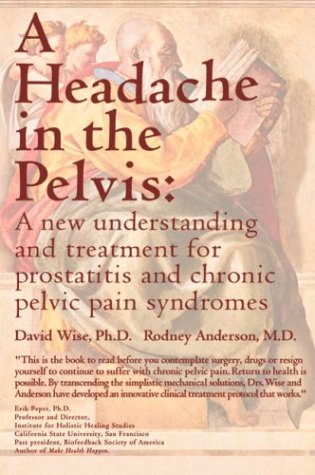
A Headache in the Pelvis: A New Understanding and Treatment for Chronic Pelvic Pain Syndromes: Wise, David, Anderson, Rodney U., Ph.D.
The book <strong>details a method for resolving pelvic pain by rehabilitating the pelvic floor muscles that have often been the brunt of anxiety or a reaction to a trauma or surgery</strong>. This new

Jarrow Formulas Quercetin 500mg Capsules - 200 Veggie Caps - Supports Antioxidant Status, Cardiovascular Health & Immune Health - 200 Servings
Pure Encapsulations Quercetin - 500 mg - Immune Support, Cellular Health & Heart Health - Antioxidant Supplement - Gluten Free & Non-GMO - 120 Capsules ... THORNE - Quercetin Phytosome - Exclu
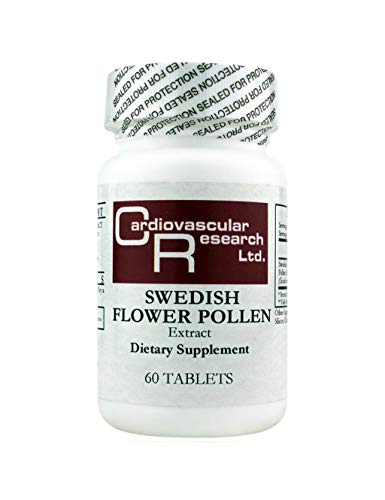
Cardiovascular Research Swedish Flower Pollen Extract, White, 60 Count
The non-solvent flower pollen extract contains a good source of nutrients and nutrient cofactors, as well as antioxidants, flavonoids, fatty acids, amino acids, and co-enzymes. It is formulated in a w
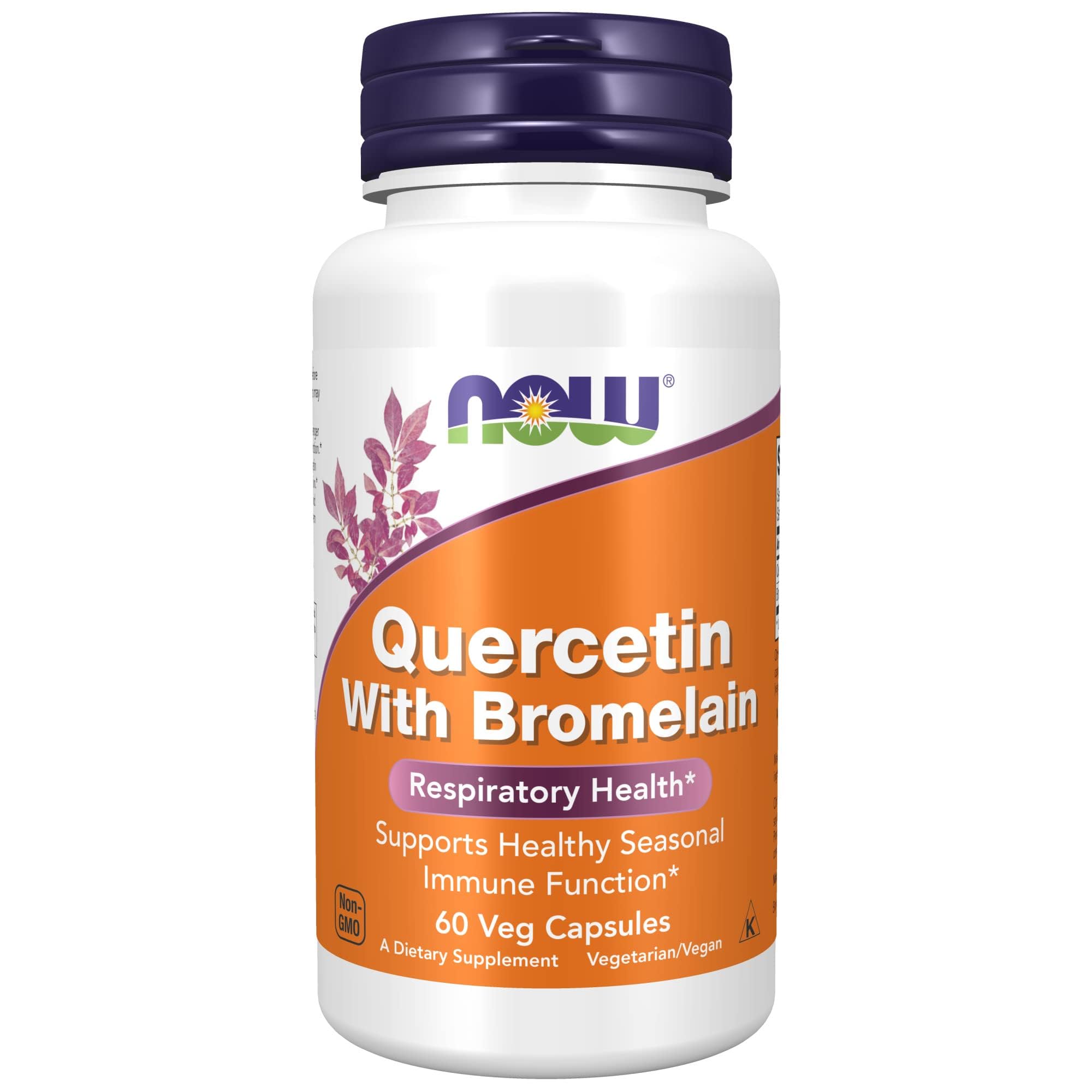
NOW Foods Supplements, Quercetin with Bromelain, Balanced Immune System*, 120 Veg Capsules
Buy NOW Foods Supplements, Quercetin with Bromelain, Balanced Immune System*, 120 Veg Capsules on Amazon.com ✓ FREE SHIPPING on qualified orders

IntimateRose Vibrating Pelvic Wand, Pelvic Floor Muscle Trigger Point Massager, Perineal Massage Tool for Pelvic Physical Therapy & Pain Relief, BPA-Free, Latex-Free (Vibration)
Intimate Rose Pelvic Wand, Pelvic Floor Muscle Trigger Point Massager, Perineal Massage Tool for Pelvic Physical Therapy & Pain Relief, BPA-Free, Latex-Free, Standard (Non-Vibration)
Evidence & Sources
Promising research with growing clinical support from multiple studies
- American Urological Association (AUA) Guideline on Male Chronic Pelvic Pain / Chronic Prostatitis
- National Institute of Diabetes and Digestive and Kidney Diseases (NIDDK), NIH Prostatitis resources
- European Association of Urology (EAU) Guidelines on Chronic Pelvic Pain
- Journal of Urology
- European Urology
- Cochrane Database of Systematic Reviews
- National Center for Complementary and Integrative Health (NCCIH)
- World Journal of Urology
This content is for informational purposes only and does not constitute medical advice. Always consult a qualified healthcare provider before starting, stopping, or changing any supplement or medication regimen.