

Chronic Prostatitis / Chronic Pelvic Pain Syndrome (CP/CPPS)
Overview
Chronic Prostatitis / Chronic Pelvic Pain Syndrome (CP/CPPS) is a long-lasting pain condition centered in the pelvis, perineum, genitals, lower abdomen, or lower back, often accompanied by urinary symptoms and sometimes pain with ejaculation or sexual dysfunction. It is classified under the broader prostatitis syndromes, but unlike acute bacterial prostatitis, CP/CPPS typically does not show a clear ongoing bacterial infection on standard testing. In conventional urology, it is generally defined by pelvic or genitourinary pain lasting at least 3 of the previous 6 months, often with variable urinary and quality-of-life symptoms.
CP/CPPS is considered one of the more common and frustrating urologic pain disorders because its causes are multifactorial and heterogeneous. Research suggests that contributing factors may include pelvic floor muscle dysfunction, local inflammation, altered nervous system pain processing, urinary tract irritation, psychosocial stress, and immune or neurologic mechanisms. For many patients, no single cause explains the full picture. This complexity helps explain why symptoms can fluctuate over time and why no single therapy works universally.
The condition can have a substantial effect on daily functioning, sleep, sexual health, emotional well-being, and work productivity. Studies indicate that men with CP/CPPS often report symptom burdens comparable to other chronic pain conditions. Although the term includes "prostatitis," not all symptoms arise directly from prostate inflammation; in many cases, the broader pelvic pain syndrome framework better reflects the clinical reality.
A balanced understanding of CP/CPPS increasingly views it as a chronic pain condition with urologic, musculoskeletal, neurologic, and psychosocial dimensions. This has led both conventional and integrative practitioners to favor multimodal, individualized assessment rather than relying on a single explanation such as infection alone. Because symptoms may overlap with urinary tract disorders, sexually transmitted infections, bladder pain syndrome, benign prostatic conditions, and pelvic floor dysfunction, careful professional evaluation remains important.
Western Medicine Perspective
Western / Conventional Medicine Perspective
In Western medicine, CP/CPPS is most commonly categorized as NIH Category III prostatitis, which is divided into inflammatory and noninflammatory subtypes based on white blood cells in expressed prostatic secretions, semen, or post-massage urine. In practice, however, this distinction does not always predict symptoms or treatment response. Conventional medicine increasingly recognizes CP/CPPS as a biopsychosocial chronic pain syndrome rather than a simple prostate infection. Evaluation often focuses on ruling out other causes of pelvic pain and urinary symptoms while identifying contributing domains such as urinary dysfunction, pelvic floor tenderness, psychosocial stress, and sexual symptoms.
Research supports the use of symptom tools such as the NIH Chronic Prostatitis Symptom Index (NIH-CPSI) and phenotype-based approaches such as UPOINT, which classify patients by domains including urinary, psychosocial, organ-specific, infection-related, neurologic/systemic, and muscle tenderness features. This framework reflects the evidence that CP/CPPS is often driven by more than one mechanism. Studies suggest that pelvic floor overactivity, central sensitization, and stress-related amplification of pain may be especially relevant in many individuals.
Conventional management is therefore often multimodal. Depending on the clinical pattern, approaches discussed in the literature include alpha-blockers, anti-inflammatory strategies, neuromodulating pain therapies, pelvic floor physical therapy, behavioral pain management, stress-focused care, and selected use of antibiotics when infection remains a concern or diagnostic uncertainty exists. Guidelines generally note that repeated or prolonged antibiotic use in longstanding culture-negative CP/CPPS has limited rationale. The strongest contemporary theme in urology is that treatment tends to be more effective when matched to the patient’s symptom phenotype rather than applied uniformly.
From a research standpoint, CP/CPPS has moderate-quality evidence overall: it is well described clinically, but many therapies show mixed results, modest average benefits, or benefits confined to subsets of patients. This is why guideline-based care often emphasizes individualized assessment, exclusion of red-flag diagnoses, and coordinated care that may involve urology, pain medicine, pelvic rehabilitation, and mental health support.
Eastern & Traditional Perspective
Eastern / Traditional Medicine Perspective
In Traditional Chinese Medicine (TCM), symptoms resembling CP/CPPS are not reduced to a single disease entity but may fall under patterns involving lower burner damp-heat, qi stagnation, blood stasis, kidney deficiency, or liver channel disharmony, depending on the dominant symptom picture. Pain in the perineum or lower abdomen, urinary discomfort, and sexual symptoms may be interpreted through the lens of impaired circulation of qi and blood in the pelvic region, sometimes compounded by heat, dampness, or constitutional weakness. TCM assessment traditionally differentiates between excess and deficiency patterns rather than assuming one universal cause.
Traditional East Asian approaches have historically used acupuncture, moxibustion, and herbal formulas for chronic pelvic pain and urinary-genital symptoms. Modern clinical studies suggest that acupuncture may help reduce pain scores and urinary symptom burden in some people with CP/CPPS, although study quality varies and not all trials are consistent. Herbal medicine is also widely used in TCM practice, but the evidence base is more variable because formulas differ across studies and standardization is limited. As a result, the traditional rationale is strong, while modern evidence ranges from emerging to moderate depending on the modality.
In Ayurveda, CP/CPPS-like presentations may be viewed through disturbances of Apana Vata, sometimes with involvement of Pitta or obstructive/inflammatory processes affecting the pelvic and urinary channels. Traditional descriptions may connect chronic pelvic discomfort, altered urination, and reproductive symptoms with imbalance in lower abdominal energy flow, tissue irritation, and impaired elimination. Management in classical frameworks often emphasizes restoring functional balance, easing stagnation, and supporting systemic resilience.
Naturopathic and integrative traditions often interpret CP/CPPS through overlapping themes of inflammation, pelvic floor tension, nervous system dysregulation, stress physiology, and lifestyle burden. These systems frequently place particular importance on the interaction between chronic pain, muscle guarding, digestion, sleep, and emotional stress. While traditional systems offer rich pattern-based frameworks, responsible integrative interpretation also acknowledges that persistent pelvic pain warrants evaluation by qualified healthcare professionals to rule out infection, malignancy, or other structural disease.
Supplements & Products
Recommended Products
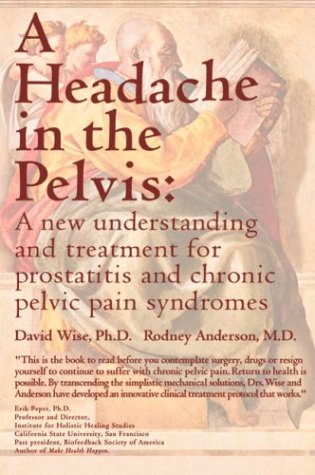
A Headache in the Pelvis: A New Understanding and Treatment for Chronic Pelvic Pain Syndromes: Wise, David, Anderson, Rodney U., Ph.D.
The book <strong>details a method for resolving pelvic pain by rehabilitating the pelvic floor muscles that have often been the brunt of anxiety or a reaction to a trauma or surgery</strong>. This new
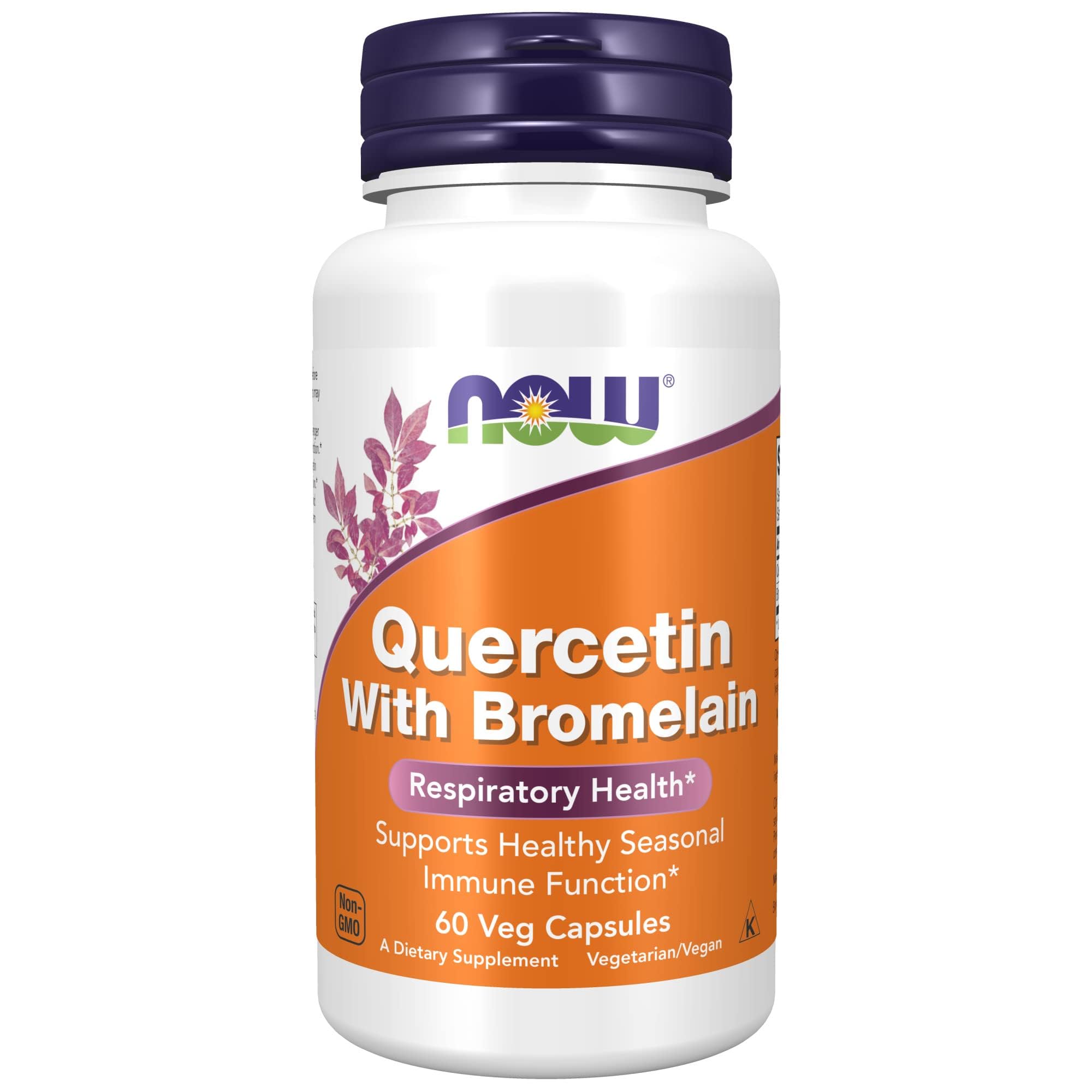
NOW Foods Supplements, Quercetin with Bromelain, Balanced Immune System*, 120 Veg Capsules
Buy NOW Foods Supplements, Quercetin with Bromelain, Balanced Immune System*, 120 Veg Capsules on Amazon.com ✓ FREE SHIPPING on qualified orders

IntimateRose Vibrating Pelvic Wand, Pelvic Floor Muscle Trigger Point Massager, Perineal Massage Tool for Pelvic Physical Therapy & Pain Relief, BPA-Free, Latex-Free (Vibration)
Intimate Rose Pelvic Wand, Pelvic Floor Muscle Trigger Point Massager, Perineal Massage Tool for Pelvic Physical Therapy & Pain Relief, BPA-Free, Latex-Free, Standard (Non-Vibration)
Evidence & Sources
Promising research with growing clinical support from multiple studies
- American Urological Association (AUA) Guideline on Male Chronic Pelvic Pain / Chronic Prostatitis
- European Association of Urology (EAU) Guidelines on Chronic Pelvic Pain
- National Institute of Diabetes and Digestive and Kidney Diseases (NIDDK) — Prostatitis
- National Center for Complementary and Integrative Health (NCCIH) — Acupuncture
- The Journal of Urology
- European Urology
- Urology
- Pain
- Cochrane Database of Systematic Reviews
- World Journal of Urology
This content is for informational purposes only and does not constitute medical advice. Always consult a qualified healthcare provider before starting, stopping, or changing any supplement or medication regimen.