

Chronic Obstructive Pulmonary Disease (COPD)
Overview
Chronic Obstructive Pulmonary Disease (COPD) is a long-term, progressive lung condition characterized by persistent airflow limitation and chronic inflammation of the airways and lung tissue. The term commonly includes emphysema and chronic bronchitis, two overlapping patterns of lung damage that can lead to shortness of breath, chronic cough, mucus production, reduced exercise tolerance, and recurrent flare-ups known as exacerbations. COPD is a major global public health issue and is recognized as one of the leading causes of illness, disability, and death worldwide.
The condition most often develops after years of exposure to inhaled irritants, especially tobacco smoke, though occupational dusts, chemical fumes, indoor biomass fuel exposure, outdoor air pollution, and certain genetic factors—most notably alpha-1 antitrypsin deficiency—also contribute. COPD typically becomes more apparent in midlife or later adulthood, but the disease process can begin much earlier, especially in people with impaired lung development, childhood respiratory exposures, or long-standing inflammatory airway injury. Research increasingly describes COPD as a heterogeneous syndrome, meaning symptoms, progression, and patterns of lung damage can vary significantly from person to person.
Beyond the lungs, COPD is often associated with systemic effects and comorbidities, including cardiovascular disease, anxiety, depression, osteoporosis, frailty, sarcopenia, metabolic disorders, and sleep-related breathing problems. These overlapping health burdens can shape quality of life as much as breathing symptoms themselves. Periods of worsening symptoms, often triggered by respiratory infections or environmental exposures, may accelerate lung function decline and increase hospitalization risk. Because of this, contemporary understanding of COPD extends beyond airway obstruction alone to include symptom burden, exacerbation risk, physical function, and overall health status.
From a public health and clinical perspective, COPD is significant not only because it is common, but because it is often underdiagnosed or diagnosed late. Conventional medicine emphasizes prevention, accurate diagnosis with spirometry, smoking cessation support, vaccination, pulmonary rehabilitation, and individualized long-term management. Traditional and integrative systems, meanwhile, have historically framed chronic breathing disorders through patterns of impaired vital energy, phlegm accumulation, weakness of constitutional systems, or chronic inflammatory imbalance. These perspectives differ in language and theory, but both generally recognize that COPD is a chronic condition requiring ongoing care and professional medical oversight.
Western Medicine Perspective
Western Medicine Perspective
In conventional medicine, COPD is understood as a preventable and treatable chronic respiratory disease involving airway inflammation, narrowing of small airways, mucus dysfunction, and destruction of lung tissue that reduces elastic recoil. Diagnosis relies heavily on spirometry, especially the demonstration of persistent airflow obstruction after bronchodilator use. Clinical assessment also considers symptom severity, exacerbation history, oxygenation status, imaging findings when appropriate, and the presence of related conditions such as asthma overlap, heart disease, or deconditioning. Current frameworks, including those from the Global Initiative for Chronic Obstructive Lung Disease (GOLD), emphasize individualized assessment rather than a one-size-fits-all model.
Management in western medicine is typically multimodal. Research and clinical guidelines support the importance of risk-factor reduction, especially smoking cessation, along with inhaled bronchodilator therapy, pulmonary rehabilitation, vaccinations, and monitoring for exacerbations and comorbidities. In some patients, additional therapies may be considered based on disease phenotype, symptom burden, blood eosinophil levels, chronic bronchitis features, hypoxemia, or exacerbation frequency. For advanced disease, supportive approaches may include long-term oxygen therapy for selected individuals, nutritional assessment, breathing support in acute settings, and palliative symptom-focused care. Conventional medicine generally views COPD as a condition that cannot be fully reversed, but one whose symptoms, exacerbation burden, and functional limitations may often be reduced with structured care.
Evidence in western medicine is substantial for diagnostic methods, inhaled therapies, smoking cessation interventions, pulmonary rehabilitation, and preventive measures such as vaccination. At the same time, clinicians recognize important limitations: COPD progression varies, response to therapy differs between individuals, and many patients live with complex overlap between respiratory, cardiovascular, psychological, and musculoskeletal issues. Because symptom worsening can reflect infection, heart failure, pulmonary embolism, or other urgent problems, formal medical evaluation remains central to safe care.
Eastern & Traditional Perspective
Eastern and Traditional Medicine Perspective
In Traditional Chinese Medicine (TCM), chronic respiratory symptoms associated with COPD are often interpreted through patterns such as Lung qi deficiency, phlegm accumulation, Kidney deficiency affecting grasping of qi, or combined weakness of the Lung and Spleen systems. From this perspective, longstanding breathlessness, fatigue, wheezing, chronic cough, and sputum may reflect both an underlying constitutional weakness and the retention of phlegm or pathogenic factors. Traditional treatment frameworks have historically aimed to support the Lung, transform phlegm, strengthen the body's defensive capacity, and help the body descend and regulate breath. Modalities may include acupuncture, moxibustion, breathing practices, herbal formulas, and dietary patterning, though such approaches are traditionally individualized according to pattern differentiation rather than applied uniformly.
In Ayurveda, chronic obstructive breathing disorders may be discussed in relation to imbalances involving Prana Vata, Kapha, and impaired respiratory channel function. Breathlessness, heaviness, congestion, and reduced vitality may be interpreted as reflecting obstruction, depleted resilience, and dysregulated movement of breath. Traditional Ayurvedic approaches have included herbal preparations, breathing and cleansing practices, digestive support, and lifestyle balancing intended to reduce excess Kapha and support respiratory vitality. Naturopathic and other traditional systems similarly emphasize constitutional support, environmental burden reduction, and whole-person factors such as nutrition, movement tolerance, stress, and restorative practices.
From an evidence standpoint, integrative research on COPD has explored acupuncture, mind-body breathing exercises, qigong, yoga-based respiratory training, and selected herbal approaches. Some studies suggest possible benefits for quality of life, dyspnea perception, exercise capacity, or symptom scores when these approaches are used alongside standard medical care. However, evidence quality is mixed, study methods are variable, and herbal interventions raise important questions around standardization, interactions, and safety in medically complex patients. For that reason, traditional approaches are generally best understood as complementary frameworks that may inform supportive care discussions, while diagnosis and ongoing management of COPD still require qualified medical supervision.
Supplements & Products
Recommended Products
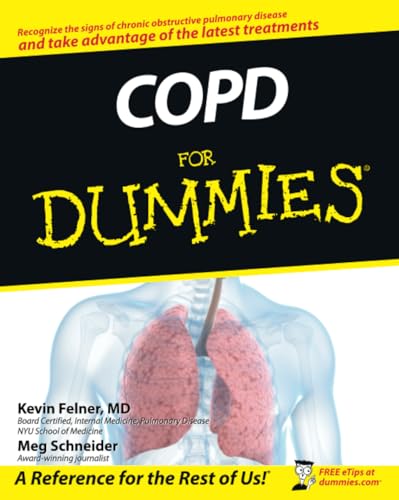
COPD For Dummies: Felner, Kevin, Schneider, Meg
You'll see how diet, exercise, and medication affect your symptoms and make your life easier. ... Kevin Felner, MD, an expert in pulmonary and critical-care medicine, is an <strong>assistant prof

THE BREATHER │ Natural Breathing Exerciser Trainer For Drug-Free Respiratory Therapy │ Breathe Easier with Stronger Lungs │ Guided Mobile Training App Included
Inhale Respiratory Trainer | Lung Strengthening Breathing Exercise Device | Made in USA | Adjustable Bi-Directional Resistance | Medical Grade Silicone Mouthpiece | Carrying Case Included · FBLFOBELI
Evidence & Sources
Supported by multiple clinical trials and systematic reviews
- Global Initiative for Chronic Obstructive Lung Disease (GOLD)
- World Health Organization (WHO)
- National Heart, Lung, and Blood Institute (NHLBI)
- Centers for Disease Control and Prevention (CDC)
- New England Journal of Medicine
- The Lancet Respiratory Medicine
- American Journal of Respiratory and Critical Care Medicine
- Chest
- National Center for Complementary and Integrative Health (NCCIH)
- Cochrane Database of Systematic Reviews
This content is for informational purposes only and does not constitute medical advice. Always consult a qualified healthcare provider before starting, stopping, or changing any supplement or medication regimen.