

Chronic Diarrhea
Also known as: Persistent Diarrhea
Overview
Chronic diarrhea generally refers to loose or watery stools that persist for four weeks or longer. Rather than being a single disease, it is a symptom pattern with many possible causes, ranging from relatively common functional disorders such as irritable bowel syndrome with diarrhea (IBS-D) to inflammatory bowel disease, malabsorption syndromes, chronic infections, medication effects, bile acid diarrhea, endocrine disorders, and food intolerances. Because stool consistency, urgency, frequency, and associated symptoms can vary widely, chronic diarrhea is usually understood as a broad clinical problem that requires careful evaluation rather than a one-size-fits-all explanation.
The condition can have a substantial impact on quality of life, work, travel, sleep, nutrition, and emotional well-being. Persistent diarrhea may be associated with dehydration, electrolyte imbalance, unintended weight loss, fatigue, and nutrient deficiencies, particularly when malabsorption is involved. In some cases, chronic diarrhea appears alongside abdominal pain, bloating, mucus, rectal bleeding, fever, nocturnal symptoms, or anemia—features that may point to a more serious underlying disorder. For this reason, chronic diarrhea is often considered important not only because of symptom burden, but because it can serve as a marker of intestinal, metabolic, infectious, or systemic illness.
From a broad clinical standpoint, chronic diarrhea is often categorized into watery, fatty (malabsorptive), or inflammatory types, although overlap is common. Watery diarrhea may be secretory, osmotic, or functional; fatty diarrhea can reflect pancreatic insufficiency, celiac disease, or impaired bile acid handling; inflammatory diarrhea may be linked to conditions such as Crohn’s disease, ulcerative colitis, or microscopic colitis. Research also highlights the role of the gut microbiome, intestinal permeability, motility changes, immune signaling, and diet-related triggers in some people with chronic bowel symptoms.
Many people exploring this topic are interested in gut-healing, dietary modification, probiotics, herbal medicine, and mind-body approaches. The evidence for these strategies varies considerably by underlying diagnosis. Some approaches have a stronger research base in specific contexts—for example, dietary management in IBS or gluten avoidance in confirmed celiac disease—while others remain more exploratory or are rooted primarily in traditional use. Because chronic diarrhea can reflect conditions requiring diagnosis and monitoring, integrative discussions generally emphasize the importance of working with qualified healthcare professionals, especially when symptoms are persistent or accompanied by red-flag features.
Medical Perspectives
Two Ways of Seeing Health

Western
scientific · clinical
Western medicine applies science, technology, and clinical experience to treat symptoms through testing, diagnosis, and targeted intervention.

Eastern
traditional · alternative
Eastern medicine focuses on treating the body naturally by applying traditional knowledge practiced for thousands of years, emphasizing balance and whole-person wellness.
Gold Bamboo presents both perspectives side-by-side so you can make informed decisions. We don't advocate for one over the other — your health choices are yours.
Western Medicine Perspective
Western / Conventional Medicine Perspective
In conventional medicine, chronic diarrhea is approached as a diagnostic category rather than a final diagnosis. Evaluation typically begins with history and pattern recognition: stool frequency and duration, relationship to meals, travel history, medication and supplement use, infectious exposures, family history, weight change, bleeding, nocturnal symptoms, and signs of malnutrition or systemic disease. Common causes considered include IBS-D, chronic infection, celiac disease, inflammatory bowel disease, microscopic colitis, lactose or fructose intolerance, pancreatic insufficiency, bile acid malabsorption, hyperthyroidism, and medication-associated diarrhea. Drugs frequently implicated include antibiotics, metformin, magnesium-containing products, some acid suppressants, laxatives, and certain cancer therapies.
Diagnostic workup may involve blood tests, stool studies, celiac serologies, inflammatory markers, thyroid testing, and endoscopic evaluation depending on the clinical picture. Colonoscopy with biopsies may be used when inflammatory bowel disease, microscopic colitis, colorectal pathology, or alarm features are suspected. Stool tests can help assess infection, inflammation, fat malabsorption, or pancreatic insufficiency. In practice, the conventional framework tries to distinguish between functional disorders—where bowel dysfunction occurs without obvious structural disease—and organic causes that require targeted management.
Treatment in the western model is generally cause-specific. Examples include dietary elimination in confirmed intolerance states, anti-inflammatory or immune-modulating therapies in inflammatory bowel disease, antibiotics in selected infectious causes, pancreatic enzyme replacement in pancreatic insufficiency, and bile acid sequestrants in bile acid diarrhea. For IBS-D and related functional bowel disorders, studies indicate potential roles for dietary strategies such as low-FODMAP approaches, soluble fiber in select patients, certain antidiarrheal agents, gut-directed psychotherapy, and some probiotic formulations, although response varies and not all interventions work equally well across individuals.
Conventional medicine also places strong emphasis on red-flag symptoms that warrant prompt medical assessment, including rectal bleeding, black stools, fever, significant weight loss, anemia, dehydration, severe abdominal pain, new symptoms in older adults, or persistent nighttime diarrhea. This framework recognizes that supportive strategies may help symptom control, but sustained diarrhea requires attention to possible underlying pathology and to the risks of electrolyte imbalance and nutritional compromise.
Eastern & Traditional Perspective
Eastern / Traditional Medicine Perspective
In Traditional Chinese Medicine (TCM), chronic diarrhea is not viewed as a single disease entity but as a manifestation of underlying patterns of imbalance. Common traditional patterns include Spleen Qi deficiency, Spleen and Kidney Yang deficiency, Liver overacting on the Spleen, and dampness accumulation in the digestive system. Within this framework, prolonged loose stools may reflect weakness in transformation and transportation of food and fluids, especially when accompanied by fatigue, bloating, poor appetite, or coldness. TCM assessment often considers stool quality, abdominal sensations, appetite, emotional stress, tongue appearance, and pulse characteristics as part of pattern differentiation.
Traditional East Asian approaches may include herbal formulas, acupuncture, moxibustion, dietary therapy, and regulation of daily habits. Historically, these methods have been used to support digestive function, reduce urgency, and address fatigue or cold-type symptoms. Modern research on acupuncture and herbal medicine for chronic diarrhea-related conditions—especially IBS-D—suggests possible benefit in some studies, but overall evidence is mixed, with variability in trial quality, formula standardization, and diagnostic criteria. As a result, these approaches are generally discussed as complementary and individualized rather than universally established.
In Ayurveda, chronic diarrhea may be interpreted through disturbances in Agni (digestive fire), Ama (metabolic waste or incomplete digestion), and doshic imbalance, particularly involving Vata and sometimes Pitta. Classical descriptions distinguish acute and chronic bowel disturbances and consider factors such as weak digestion, unsuitable foods, emotional strain, and impaired assimilation. Ayurvedic management traditionally emphasizes restoring digestive balance through personalized diet, herbs, and routines matched to constitution and symptom pattern.
In naturopathic and broader integrative traditions, chronic diarrhea is often discussed in relation to food sensitivities, microbiome imbalance, mucosal irritation, stress physiology, and impaired digestive resilience. Common supportive themes include identifying triggers, restoring hydration and nutrient status, and considering evidence-informed use of probiotics or botanical therapies where appropriate. However, responsible integrative care also recognizes that symptoms attributed to “gut imbalance” may in fact reflect celiac disease, inflammatory bowel disease, microscopic colitis, infection, or other diagnosable conditions, underscoring the importance of coordinated evaluation with licensed healthcare professionals.
Supplements & Products
Recommended Products
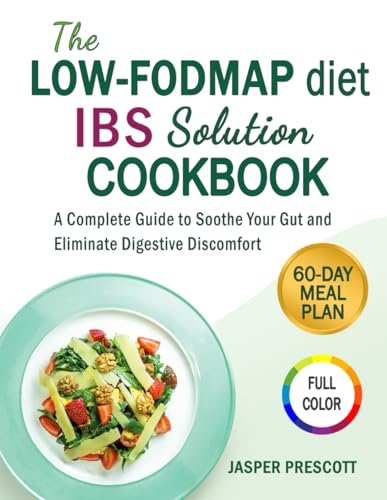
The Low-FODMAP Diet Step by Step: A Personalized Plan to Relieve the Symptoms of IBS and Other Digestive Disorders - with More Than 130 Deliciously Satisfying Recipes: Scarlata, Kate, Wilson, Dede
Her current focus is on the low-FODMAP diet and building FODMAPeveryday.com, where you can learn to THRIVE on the low FODMAP diet. Her most recent book is The Low-FODMAP Diet Step by Step. Kate Scarla

NOW Supplements, Saccharomyces Boulardii, 5 Billion CFU Probiotic, 60 Veg Capsules : Digestive Nutritional Supplements
Saccharomyces Boulardii Probiotic Supplement 240 Tablets 3 Billion CFU Probiotics for Men & Women Supports Intestinal Digestive & Gut Health (240, Saccharomyces Boulardii) Jarrow Formulas Sacc

Heather's Tummy Fiber Organic Acacia Senegal for IBS, 16 Ounce Pouch
Heather's Tummy Fiber POUCH Organic Acacia Senegal (16 oz) for IBS
Evidence & Sources
Promising research with growing clinical support from multiple studies
- American Gastroenterological Association (AGA) Clinical Practice Guidelines
- American College of Gastroenterology (ACG) Guideline on Management of Irritable Bowel Syndrome
- American Family Physician
- National Institute of Diabetes and Digestive and Kidney Diseases (NIDDK)
- National Center for Complementary and Integrative Health (NCCIH)
- World Gastroenterology Organisation Global Guidelines
- The Lancet Gastroenterology & Hepatology
- Gastroenterology
- The New England Journal of Medicine
- British Medical Journal (BMJ)
This content is for informational purposes only and does not constitute medical advice. Always consult a qualified healthcare provider before starting, stopping, or changing any supplement or medication regimen.