

Chronic Bronchitis
Overview
Chronic bronchitis is a long-term inflammatory condition of the airways marked by a persistent productive cough and excess mucus production. In conventional medicine, it is typically defined clinically as a cough with sputum production occurring on most days for at least three months in each of two consecutive years, after other causes have been excluded. Chronic bronchitis is commonly considered a phenotype within chronic obstructive pulmonary disease (COPD), although not every person with chronic bronchitis has the same degree of airflow limitation. The condition is especially significant because it can impair daily functioning, contribute to recurrent respiratory infections, and, over time, place strain on the lungs and cardiovascular system.
The condition is strongly associated with long-term tobacco smoke exposure, but other contributors include air pollution, occupational dusts and fumes, biomass fuel exposure, recurrent airway irritation, and genetic susceptibility. Inflammation in the bronchial tubes leads to thickening of airway walls, enlargement of mucus-secreting glands, and impaired clearance of secretions. This can create a cycle of congestion, coughing, shortness of breath, wheezing, and periodic flare-ups. In many cases, chronic bronchitis coexists with emphysema, asthma overlap, or other chronic respiratory conditions, making assessment more complex.
From a public health perspective, chronic bronchitis is important because COPD remains a leading cause of illness and death worldwide. Studies suggest that symptoms associated with chronic bronchitis are linked to reduced quality of life, increased risk of exacerbations, missed work, sleep disruption, and higher healthcare utilization. While symptom burden varies, some individuals experience gradual progression, while others have episodic worsening triggered by infection, weather changes, or inhaled irritants.
An integrative view of chronic bronchitis often focuses on both airway physiology and whole-person factors. Alongside conventional evaluation, supportive strategies may include attention to breathing patterns, environmental exposures, nutrition, physical conditioning, stress, sleep, and traditional systems of care that have historically addressed chronic cough, phlegm, and impaired lung function. Because persistent respiratory symptoms can overlap with serious conditions such as asthma, bronchiectasis, pneumonia, heart failure, or lung cancer, professional medical evaluation remains an important part of care.
Compare Treatment Options
Chronic bronchitis is a long-term airway condition defined clinically by a productive cough lasting at least three months in a year for two consecutive years. It often sits within the broader spectrum of chronic obstructive pulmonary disease (COPD), though not every chronic cough is chronic bronchitis. The condition involves ongoing irritation and inflammation of the bronchial tubes, increased mucus production, and in many people, episodes of wheezing, chest tightness, shortness of breath, or recurrent flare-ups. Smoking remains the most common cause, but air pollution, occupational dust or chemical exposure, and repeated respiratory infections can also contribute. Treatment options vary because chronic bronchitis is not one uniform problem. Some people are mainly troubled by daily mucus and cough, while others have frequent exacerbations, reduced exercise tolerance, or overlapping asthma, sinus disease, or emphysema. Western care often focuses on confirming the diagnosis with spirometry, reducing airway inflammation and bronchospasm, preventing exacerbations, and improving physical function. Eastern approaches such as acupuncture, breathing practices, and certain herbal traditions are used more often as adjunctive strategies aimed at symptom relief, resilience, and quality of life. Research support differs by intervention, so a balanced review of expected benefit, safety, evidence quality, and individual fit is important.
View treatment comparison (6 options)Medical Perspectives
Two Ways of Seeing Health

Western
scientific · clinical
Western medicine applies science, technology, and clinical experience to treat symptoms through testing, diagnosis, and targeted intervention.

Eastern
traditional · alternative
Eastern medicine focuses on treating the body naturally by applying traditional knowledge practiced for thousands of years, emphasizing balance and whole-person wellness.
Gold Bamboo presents both perspectives side-by-side so you can make informed decisions. We don't advocate for one over the other — your health choices are yours.
Western Medicine Perspective
Western Medicine Perspective
In Western medicine, chronic bronchitis is understood as a disorder of chronic airway inflammation and mucus hypersecretion. Repeated exposure to irritants—most notably cigarette smoke—can damage the airway lining and impair the normal function of cilia, the microscopic structures that help clear mucus. This leads to mucus retention, chronic cough, narrowing of the airways, and susceptibility to infection and exacerbations. Diagnosis generally relies on clinical history, symptom pattern, exposure history, physical examination, and often spirometry to assess airflow limitation and determine whether COPD is present. Imaging and laboratory testing may also be used to rule out other causes of chronic cough.
Conventional management is typically aimed at reducing symptoms, preventing exacerbations, improving function, and slowing decline in lung health where possible. Research supports the central importance of smoking cessation, avoidance of inhaled irritants, appropriate vaccinations, pulmonary rehabilitation, physical activity, and inhaled medications in selected patients. Depending on the clinical picture, care may involve bronchodilators, inhaled therapies, airway clearance approaches, and treatment of acute infectious or inflammatory flare-ups. In more advanced disease, oxygen therapy or additional interventions may be considered. Medical literature also emphasizes the role of identifying comorbidities such as cardiovascular disease, anxiety, depression, sleep disturbance, gastroesophageal reflux, and malnutrition.
Current evidence suggests that chronic bronchitis is not only a symptom-based diagnosis but also a risk marker within COPD. Patients with chronic mucus production may experience more frequent exacerbations and greater disease burden than those without this phenotype. For that reason, Western care models increasingly emphasize longitudinal monitoring, patient education, and early recognition of worsening symptoms. Because symptoms can mimic or coexist with other respiratory disorders, clinicians generally consider differential diagnoses carefully, especially when cough changes abruptly, blood is present in sputum, or weight loss and systemic symptoms occur.
Eastern & Traditional Perspective
Eastern/Traditional Medicine Perspective
In Traditional Chinese Medicine (TCM), chronic bronchitis is not viewed as a single disease entity but rather as a pattern involving dysfunction of the Lung, Spleen, and Kidney systems, often with accumulations described as phlegm, dampness, cold, heat, or deficiency. A long-standing productive cough may be interpreted as a failure of the Lung to disperse and descend fluids, leading to phlegm retention and obstruction of the airways. In some presentations, recurrent cough and fatigue are associated with deficiency patterns; in others, thick sputum and chest oppression are framed as phlegm-heat or phlegm-damp accumulation. Traditional approaches may include acupuncture, breathing practices, dietary patterning, and herbal frameworks individualized to the person's constitution and symptom presentation.
In Ayurveda, symptoms resembling chronic bronchitis may be discussed through imbalances involving Kapha—associated with heaviness, mucus, and congestion—and sometimes Vata, particularly when there is chronic dryness, breathlessness, or weakness of respiratory function. Classical Ayurvedic interpretation often considers digestion, tissue resilience, environmental exposure, and accumulated respiratory congestion. Supportive practices may include lifestyle balancing, breath-focused disciplines, and botanical traditions historically used for cough and phlegm, though the quality and consistency of modern clinical evidence varies considerably across interventions.
Naturopathic and other traditional systems often emphasize terrain-based concepts such as reducing irritant burden, supporting mucosal health, improving circulation and breathing mechanics, and strengthening overall vitality. Modalities sometimes explored in integrative settings include steam inhalation traditions, breathing exercises, mind-body approaches, and selected herbal medicines. However, research on these therapies for chronic bronchitis specifically is mixed and often limited by small study size, variable formulations, and inconsistent diagnostic criteria. For this reason, integrative practitioners generally frame traditional therapies as complementary rather than replacements for medical assessment, especially in people with COPD, low oxygen levels, recurrent infections, or worsening shortness of breath.
Supplements & Products
Recommended Products
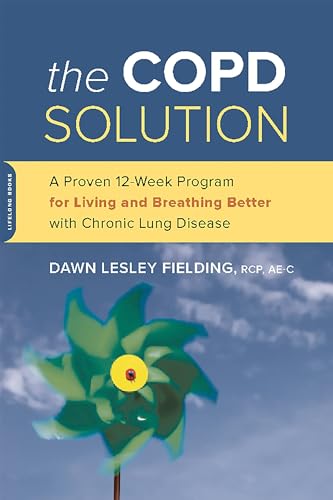
COPD Solution: A Proven 10-Week Program for Living and Breathing Better with Chronic Lung Disease - Kindle edition by Fielding, Dawn Lesley. Health, Fitness & Dieting Kindle eBooks @ Amazon.com.
Respiratory Therapist Dawn Lesley Fielding shares the program she has used in her own practice -- with an astonishing 100% success rate—<strong>offering techniques and tools to make breathing easier a

NOW Supplements, NAC (N-Acetyl Cysteine) 600 mg with Selenium, 250 Veg Capsules
Buy NOW Supplements, NAC (N-Acetyl Cysteine) 600 mg with Selenium, 250 Veg Capsules on Amazon.com ✓ FREE SHIPPING on qualified orders
Evidence & Sources
Promising research with growing clinical support from multiple studies
- Global Initiative for Chronic Obstructive Lung Disease (GOLD)
- World Health Organization (WHO)
- National Heart, Lung, and Blood Institute (NHLBI)
- Centers for Disease Control and Prevention (CDC)
- American Thoracic Society
- European Respiratory Journal
- New England Journal of Medicine
- National Center for Complementary and Integrative Health (NCCIH)
This content is for informational purposes only and does not constitute medical advice. Always consult a qualified healthcare provider before starting, stopping, or changing any supplement or medication regimen.