

Chronic Back Pain
Also known as: Long-term Back Pain
Chronic Back Pain: An Overview
Chronic back pain generally refers to pain in the cervical, thoracic, or lumbar regions of the spine that persists for more than 12 weeks, even after an initial injury or acute episode would typically be expected to improve. It is one of the most common health complaints worldwide and a major cause of disability, reduced mobility, work limitation, sleep disruption, and diminished quality of life. Low back pain is especially prevalent, though chronic pain can also affect the upper and mid-back. The condition is often complex rather than attributable to a single cause, and symptoms may range from dull, persistent aching to stiffness, muscle spasm, burning sensations, or pain that radiates into the limbs.
Chronic back pain may arise from degenerative changes, muscular or ligament strain, disc-related problems, osteoarthritis, spinal stenosis, scoliosis, inflammatory conditions, prior injury, nerve irritation, or postural and occupational stress. In many people, however, imaging findings do not neatly match the severity of symptoms. Research has shown that chronic back pain is frequently influenced not only by structural factors, but also by nervous system sensitization, stress, mood, sleep quality, physical deconditioning, and social context. For this reason, modern understanding increasingly views chronic back pain as a biopsychosocial condition rather than solely a mechanical problem.
Its significance extends beyond discomfort alone. Persistent back pain is associated with increased healthcare use, reduced participation in daily activities, and a substantial economic burden. It often coexists with anxiety, depression, poor sleep, and fatigue, creating cycles that may perpetuate symptoms. While some cases involve specific underlying disease that requires medical evaluation, a large proportion are classified as chronic nonspecific back pain, meaning no single definitive structural cause is identified. This has contributed to growing interest in a broad spectrum of supportive approaches, including physical rehabilitation, mind-body therapies, acupuncture, yoga, massage, and other integrative practices.
Because chronic back pain can have many possible drivers, evaluation by a qualified healthcare professional is important, particularly when pain is severe, progressive, or accompanied by neurologic symptoms or other concerning features. In both conventional and traditional systems, long-term management is often framed around improving function, reducing symptom burden, supporting resilience, and addressing contributing whole-person factors rather than seeking a single universal remedy.
Compare Treatment Options
Lower back pain is a broad symptom complex rather than a single diagnosis. It commonly refers to pain, stiffness, tension, or reduced mobility in the area between the lower ribs and the buttocks. Episodes may be acute after lifting, twisting, prolonged sitting, or minor strain, or they may become persistent and overlap with chronic pain patterns, myofascial pain, disc-related irritation, facet joint pain, or nerve involvement such as sciatica. In many cases, no single structure can be identified with certainty, which helps explain why people often receive different treatment suggestions. Treatment options vary because lower back pain exists on a spectrum: some cases improve with time and movement, some are driven more by muscle guarding and reduced conditioning, and others involve inflammatory, mechanical, or nerve-related features. Research generally supports staying as active as tolerated, matching treatment intensity to symptom severity and duration, and watching for red flags such as fever, trauma, progressive weakness, bowel or bladder changes, or cancer history. Many people explore both conventional approaches such as exercise-based physical therapy and medications, and Eastern approaches such as acupuncture or mind-body movement practices, especially when symptoms recur or become chronic.
View treatment comparison (6 options)Medical Perspectives
Two Ways of Seeing Health

Western
scientific · clinical
Western medicine applies science, technology, and clinical experience to treat symptoms through testing, diagnosis, and targeted intervention.

Eastern
traditional · alternative
Eastern medicine focuses on treating the body naturally by applying traditional knowledge practiced for thousands of years, emphasizing balance and whole-person wellness.
Gold Bamboo presents both perspectives side-by-side so you can make informed decisions. We don't advocate for one over the other — your health choices are yours.
Western Medicine Perspective
Western Medicine Perspective
In conventional medicine, chronic back pain is typically assessed through a combination of history, physical examination, and selective imaging or laboratory testing when clinically indicated. Physicians often look for so-called red flags that may suggest fracture, infection, malignancy, inflammatory disease, or significant neurologic compromise. In the absence of these features, many cases are understood as chronic nonspecific back pain. Contemporary clinical guidelines generally emphasize that imaging alone is often of limited value for routine chronic back pain because common findings such as disc degeneration or bulging may also appear in people without pain.
Western medicine increasingly approaches chronic back pain through a multimodal and functional lens. Studies and guidelines from organizations such as the American College of Physicians and international pain societies indicate that nonpharmacologic strategies are central to long-term management. These may include exercise therapy, physical therapy, spinal stabilization, behavioral approaches, pain education, cognitive behavioral therapy, mindfulness-based interventions, and selected manual therapies. The goal is often to improve mobility, physical capacity, and daily functioning while reducing the disability associated with pain.
Medications may play a role in some cases, though their benefits and risks are weighed carefully. Conventional care may consider non-opioid pain relievers, certain adjuvant medications, or short-term use of additional therapies depending on the pattern of pain and associated symptoms. Interventional procedures or surgery are generally reserved for specific structural causes, persistent radicular symptoms, or neurologic compromise rather than routine nonspecific back pain. Current research also highlights the importance of addressing central sensitization, sleep disturbance, psychological stress, and fear-avoidance behaviors, all of which may contribute to the persistence of pain.
Eastern & Traditional Perspective
Eastern and Traditional Medicine Perspective
Traditional systems of medicine often interpret chronic back pain through broader patterns of imbalance involving circulation, vitality, constitutional weakness, environment, and lifestyle. In Traditional Chinese Medicine (TCM), chronic back pain is commonly associated with patterns such as Qi and Blood stagnation, Kidney deficiency, or invasion of Cold-Damp that obstructs the channels. The lower back in particular is traditionally linked to Kidney system function. TCM assessment may consider the quality and location of pain alongside sleep, digestion, energy, emotional state, tongue, and pulse patterns. Therapies traditionally used include acupuncture, moxibustion, cupping, tui na massage, herbal formulas, and movement practices such as tai chi or qigong.
In Ayurveda, chronic back pain may be viewed primarily through the lens of Vata imbalance, especially when pain is variable, chronic, stiff, or aggravated by stress, aging, dryness, or overexertion. Some presentations may also involve Ama (metabolic waste or toxicity in traditional terminology) or inflammatory Pitta components. Ayurvedic approaches have traditionally included abhyanga (oil massage), basti therapies, herbal preparations, stretching, yoga, heat-based therapies, and dietary/lifestyle measures aimed at restoring balance and supporting tissue nourishment.
Naturopathic and other integrative traditions often emphasize the interaction between musculoskeletal strain, inflammation, stress physiology, sleep quality, movement habits, and whole-person resilience. These frameworks may incorporate manual therapy, therapeutic exercise, hydrotherapy, botanical medicine, anti-inflammatory dietary patterns, and mind-body practices. Research on some of these approaches remains mixed or variable in quality, but acupuncture, yoga, tai chi, and mindfulness-based therapies have received increasing scientific attention for chronic back pain. As with conventional care, traditional approaches are best understood as part of an individualized, professionally guided plan, especially when symptoms are severe, persistent, or medically complex.
Supplements & Products
Recommended Products

Back Mechanic by Dr. Stuart McGill (2015-09-30): Stuart McGill
Fixing You: Back Pain 2nd edition: <strong>Self-Treatment for Back Pain, Sciatica, Bulging and Herniated Discs, Stenosis, Degenerative Discs, and other Diagnoses</strong>. ... Brief content visible, d
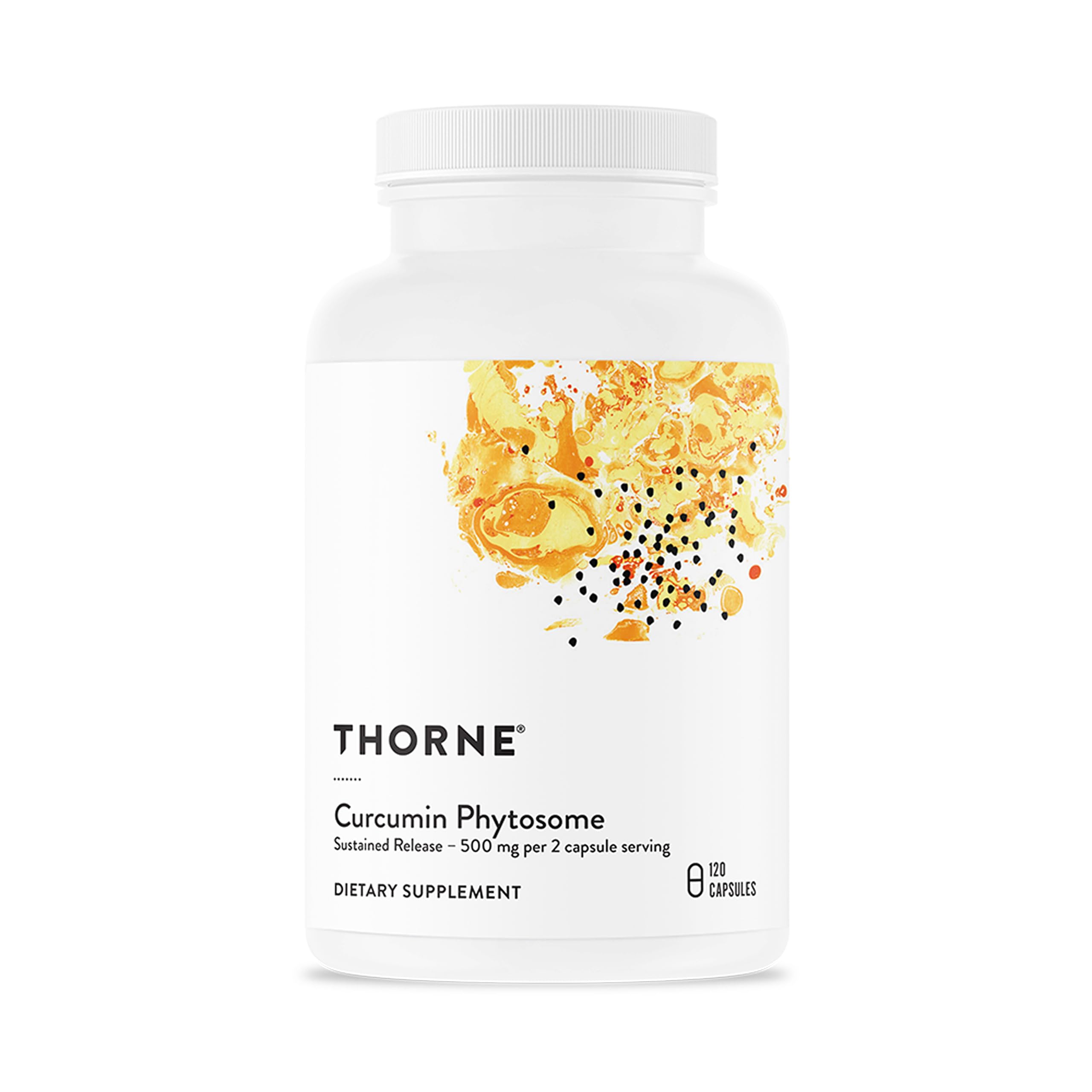
THORNE - Curcumin Phytosome 500 mg (Meriva) - Sustained Release, Clinically Studied - Supports Healthy Inflammatory Response in Joints, Muscles, GI Tract, Liver, Brain & Nerves* - 60 Servings
Buy THORNE - Curcumin Phytosome 500 mg (Meriva) - Sustained Release, Clinically Studied - <strong>Supports Healthy Inflammatory Response in Joints, Muscles, GI Tract, Liver, Brain & Nerves</strong
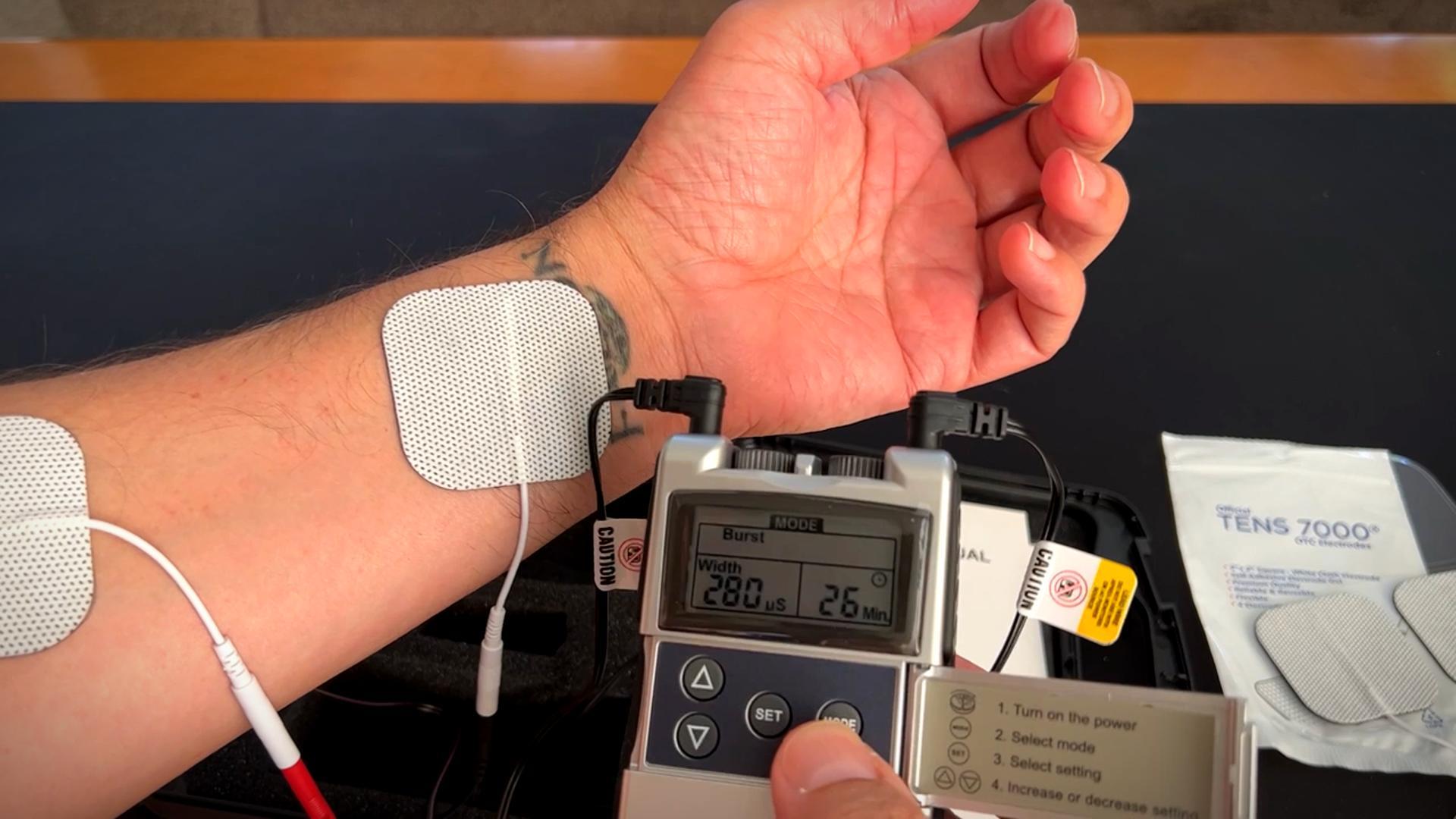
TENS 7000 Digital TENS Unit with Accessories - Muscle ...
Explore a variety of products designed to provide relief from sciatica, back pain, and muscle discomfort, including TENS therapy and ergonomic cushions.
Evidence & Sources
Promising research with growing clinical support from multiple studies
- American College of Physicians Clinical Practice Guideline
- The Lancet
- National Institute for Health and Care Excellence (NICE)
- National Center for Complementary and Integrative Health (NCCIH)
- World Health Organization (WHO)
- Cochrane Reviews
- BMJ
- Annals of Internal Medicine
This content is for informational purposes only and does not constitute medical advice. Always consult a qualified healthcare provider before starting, stopping, or changing any supplement or medication regimen.