

Carpal Tunnel Syndrome
Also known as: CTS
Overview
Carpal tunnel syndrome (CTS) is a common nerve entrapment condition caused by compression of the median nerve as it passes through the carpal tunnel, a narrow passageway in the wrist formed by bones and connective tissue. The median nerve helps control sensation in the thumb, index finger, middle finger, and part of the ring finger, and it also supports some thumb movements. When pressure increases within this tunnel, symptoms may include numbness, tingling, burning, hand pain, nighttime symptoms, and grip weakness. In more persistent cases, people may notice dropping objects, reduced dexterity, or wasting of the thumb muscles.
CTS is especially significant because it affects daily function, work tasks, sleep quality, and quality of life. It is among the most frequently diagnosed peripheral nerve disorders, with risk influenced by repetitive hand use, forceful wrist activity, prolonged awkward wrist positioning, vibration exposure, pregnancy, diabetes, obesity, thyroid disease, inflammatory arthritis, and fluid-retaining states. Not all hand numbness is CTS, however; symptoms can overlap with cervical radiculopathy, tendon disorders, generalized neuropathy, and other wrist or forearm conditions.
From an integrative health perspective, CTS often sits at the intersection of mechanical strain, inflammation, nerve irritation, and whole-body health factors. This is why public interest commonly includes not only diagnosis and standard therapies, but also ergonomics, splinting, exercise-based rehabilitation, acupuncture, manual therapies, yoga, and other body-based approaches. The course of the condition varies: some cases improve with activity modification and conservative care, while others become progressive and may require procedural evaluation.
Because symptom severity and underlying causes differ, accurate assessment matters. Health professionals may evaluate the pattern of symptoms, perform physical examination maneuvers, and in some cases use nerve conduction studies, electromyography, or ultrasound to help confirm the diagnosis and assess severity. Consultation with a qualified healthcare provider is important, particularly when symptoms are persistent, worsening, or associated with notable weakness.
Compare Treatment Options
Carpal tunnel syndrome (CTS) is a common nerve entrapment disorder caused by compression of the median nerve as it travels through a narrow passage in the wrist called the carpal tunnel. Typical symptoms include numbness, tingling, burning, hand weakness, dropping objects, and pain that may worsen at night or with repetitive hand use. CTS can develop from a mix of factors, including repetitive wrist motion, forceful gripping, fluid shifts, diabetes, thyroid disease, pregnancy, inflammatory arthritis, or anatomy that leaves less room for the nerve. Treatment options vary because CTS exists on a spectrum. Mild, intermittent symptoms may respond to activity changes, splinting, or hand therapy, while more persistent numbness, weakness, or evidence of nerve injury on testing may lead clinicians to discuss injections or surgery. Eastern and integrative approaches such as acupuncture and manual therapies are also used, particularly when people are looking to reduce pain, improve function, or complement conventional care. As with other nerve and pain conditions covered in Gold Bamboo, the key distinction is often not "western versus eastern" but which approach best fits symptom severity, duration, daily demands, and tolerance for risk or downtime.
View treatment comparison (6 options)Medical Perspectives
Two Ways of Seeing Health

Western
scientific · clinical
Western medicine applies science, technology, and clinical experience to treat symptoms through testing, diagnosis, and targeted intervention.

Eastern
traditional · alternative
Eastern medicine focuses on treating the body naturally by applying traditional knowledge practiced for thousands of years, emphasizing balance and whole-person wellness.
Gold Bamboo presents both perspectives side-by-side so you can make informed decisions. We don't advocate for one over the other — your health choices are yours.
Western Medicine Perspective
Western Medicine Perspective
In conventional medicine, carpal tunnel syndrome is understood as a compressive neuropathy of the median nerve at the wrist. The main pathophysiologic issue is increased pressure within the carpal tunnel, which can impair nerve blood flow, irritate the nerve lining, and eventually affect nerve signaling. Clinicians typically distinguish between mild, intermittent sensory symptoms and more advanced disease involving persistent numbness, weakness, or thenar muscle atrophy. Diagnosis is based on history and examination, often supported by electrodiagnostic testing when the picture is unclear, when surgery is being considered, or when severity needs objective confirmation.
Conservative management commonly focuses on reducing mechanical stress and controlling symptoms. Research supports the use of neutral-position wrist splinting, especially for nighttime symptoms, and many guidelines also discuss activity or ergonomic modification to reduce sustained wrist flexion, extension, and repetitive strain. Depending on the clinical setting, other conventional approaches may include hand therapy, nerve and tendon gliding exercises, corticosteroid injection, and short-term symptom monitoring. When symptoms are severe, progressive, or refractory to conservative care, carpal tunnel release surgery is a standard treatment with substantial evidence behind it, particularly for confirmed moderate-to-severe CTS.
Western medicine also pays close attention to associated conditions that can contribute to CTS risk or symptom burden, such as diabetes, pregnancy, obesity, hypothyroidism, rheumatoid arthritis, and occupational exposures. This broader medical context matters because CTS may be part of a larger metabolic, inflammatory, or biomechanical picture. While many non-surgical strategies are widely used, evidence quality varies by intervention, and clinicians generally interpret symptom response alongside functional change and objective severity rather than relying on any single therapy in isolation.
Eastern & Traditional Perspective
Eastern/Traditional Medicine Perspective
In Traditional Chinese Medicine (TCM), symptoms resembling carpal tunnel syndrome are often interpreted through patterns such as Qi and Blood stagnation, obstruction in the channels, or invasion of Wind-Cold-Damp affecting the wrist and hand. Pain, numbness, tingling, and weakness may be viewed as signs that normal circulation through the meridians is impaired. Treatment traditions commonly aim to move Qi and Blood, open the channels, reduce obstruction, and restore functional flow. In practice, this may involve acupuncture, moxibustion, tui na manual therapy, and rehabilitative movement practices. Modern clinical research suggests acupuncture may provide symptom relief for some people with CTS, though study quality and consistency remain mixed compared with more established conventional options.
In Ayurveda, hand and wrist pain with tingling or weakness may be understood largely through Vata imbalance, especially where there is pain, dryness, stiffness, nerve sensitivity, or disturbed movement. Traditional approaches may emphasize oleation, heat-based therapies, herbal preparations, massage, and lifestyle balancing intended to calm aggravated Vata and support tissue function. These frameworks are individualized and are not direct one-to-one equivalents with modern neurologic diagnosis, but they remain influential in integrative care discussions.
Naturopathic and other traditional body-based systems often frame CTS as involving a combination of repetitive strain, local tissue restriction, inflammation, posture, and whole-person factors. Approaches may include ergonomic assessment, stretching, myofascial techniques, yoga-based movement, anti-inflammatory nutrition patterns, and mind-body stress reduction. Some of these strategies overlap substantially with rehabilitation medicine. Overall, eastern and traditional systems tend to emphasize pattern recognition, functional restoration, and reducing recurrent strain, while conventional medicine contributes stronger diagnostic tools and clearer evidence for certain interventions. Anyone considering integrative care benefits from working with appropriately credentialed practitioners and keeping their primary healthcare team informed.
Supplements & Products
Recommended Products
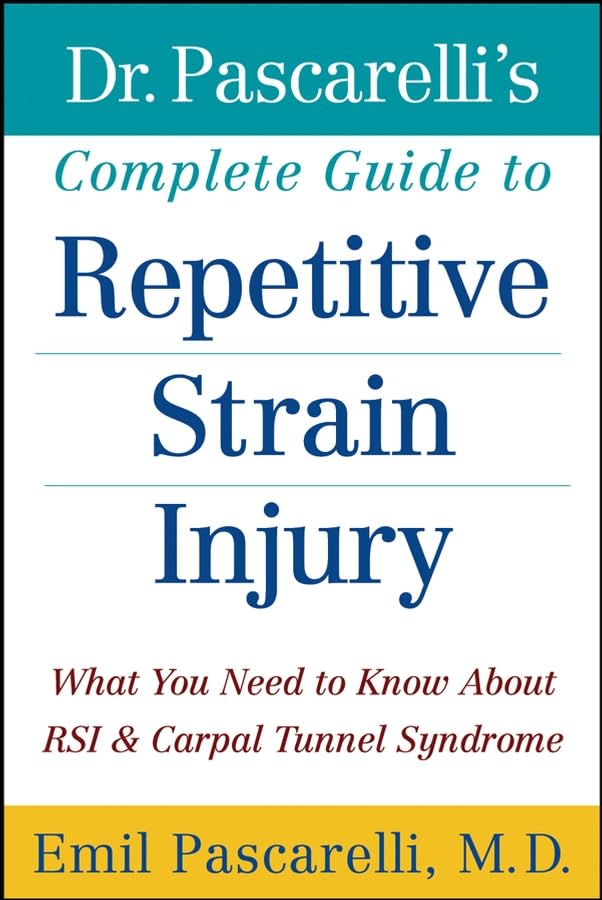
Dr. Pascarelli's Complete Guide to Repetitive Strain Injury: What You Need to Know About RSI and Carpal Tunnel Syndrome: Pascarelli M.D., Emil
Dr. <strong>Pascarelli's Complete Guide to Repetitive Strain Injury: What You Need to Know About RSI and Carpal Tunnel Syndrome</strong> [Pascarelli M.D., Emil] on Amazon.com. *FREE* shipping on

FUTURO Night Wrist Support, Left or Right, Adjustable, Helps Provide Nighttime Relief of Carpel Tunnel Symptoms, Made of Breathable Material, Easy-to-Use Sleeve Design, One Size Fits Most (48462ENR)
Futuro Night Wrist Sleep Support Brace, Adjustable Nighttime Splint for Carpal Tunnel Relief, Cushioned Beads and Removable Stabilizer, Fits Left or Right Hand (2-Pack)
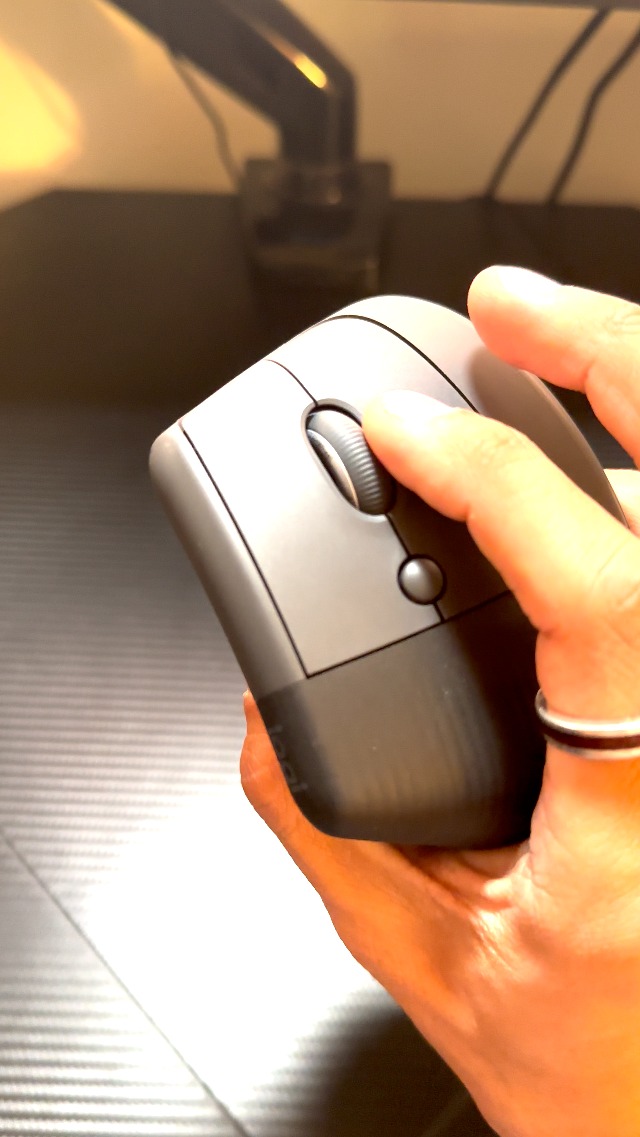
Logitech Lift Vertical Ergonomic Mouse, Wireless, Bluetooth or Logi Bolt USB Receiver, Quiet clicks, 4 Buttons, Compatible with Windows/macOS/iPadOS, Laptop, PC - Graphite : Electronics
Utilize Logitech Flow to move across screens and transfer files with simple commands.* This vertical mouse wireless is multi-OS compatible (Windows, macOS, iPadOS, Chrome OS**, Linux**) and boasts two
Evidence & Sources
Promising research with growing clinical support from multiple studies
- American Academy of Orthopaedic Surgeons (AAOS) Clinical Practice Guidelines
- National Institute of Neurological Disorders and Stroke (NINDS)
- National Center for Complementary and Integrative Health (NCCIH)
- Cochrane Database of Systematic Reviews
- BMJ
- JAMA
- The Lancet
- Neurology
- Journal of Orthopaedic & Sports Physical Therapy
- Mayo Clinic Proceedings
This content is for informational purposes only and does not constitute medical advice. Always consult a qualified healthcare provider before starting, stopping, or changing any supplement or medication regimen.