

Cancer Support
Overview
Cancer support refers to the broad range of supportive care strategies used to help people maintain quality of life during and after cancer treatment. In integrative health contexts, this topic typically includes approaches intended to address common concerns such as fatigue, nausea, pain, sleep disturbance, anxiety, appetite changes, neuropathy, stress, and overall functional well-being. It does not imply an alternative to oncology treatment; rather, it describes measures that may complement surgery, chemotherapy, radiation therapy, immunotherapy, hormonal therapy, and survivorship care when coordinated with qualified clinicians.
Cancer remains a major global health issue, with millions of new diagnoses each year worldwide. As survival rates improve for many cancers, supportive care has become increasingly important. Modern cancer care now recognizes that outcomes are shaped not only by tumor response, but also by symptom burden, mental health, nutrition, physical function, treatment tolerance, and social support. This has led to growing interest in integrative oncology, a field that combines conventional cancer treatment with evidence-informed complementary therapies aimed at reducing distress and improving day-to-day functioning.
Research suggests that certain supportive approaches may help specific symptoms in selected patients. Examples commonly studied include acupuncture for chemotherapy-related nausea and some pain syndromes, mind-body practices such as meditation, yoga, and guided imagery for stress and sleep, exercise and rehabilitation for fatigue and physical functioning, nutrition counseling for weight and appetite concerns, and massage or touch-based therapies for anxiety and symptom relief. At the same time, evidence quality varies widely across therapies, and some supplements or herbal products may interact with chemotherapy agents, radiation, anticoagulants, or anesthesia.
A balanced view of cancer support therefore emphasizes both possibility and caution. Many complementary strategies are best understood as adjunctive supportive tools, not anticancer treatments in themselves. Appropriate care generally depends on individualized assessment, communication with oncology teams, and careful review of safety issues such as immune suppression, bleeding risk, liver toxicity, drug-herb interactions, and timing around active treatment. Within that framework, integrative support may play an important role in comfort, resilience, and recovery.
Medical Perspectives
Two Ways of Seeing Health

Western
scientific · clinical
Western medicine applies science, technology, and clinical experience to treat symptoms through testing, diagnosis, and targeted intervention.

Eastern
traditional · alternative
Eastern medicine focuses on treating the body naturally by applying traditional knowledge practiced for thousands of years, emphasizing balance and whole-person wellness.
Gold Bamboo presents both perspectives side-by-side so you can make informed decisions. We don't advocate for one over the other — your health choices are yours.
Western Medicine Perspective
Western / Conventional Medicine Perspective
In conventional medicine, supportive oncology and palliative care focus on preventing or reducing the physical and emotional burdens associated with cancer and its treatment. This includes management of pain, nausea, vomiting, mucositis, fatigue, cachexia, insomnia, depression, anxiety, bowel changes, sexual health concerns, cognitive changes, and treatment-related neuropathy. Supportive care may be delivered at any stage of illness, including during curative treatment, long-term survivorship, and advanced disease care. Major cancer centers increasingly include multidisciplinary teams made up of oncologists, palliative care specialists, nurses, dietitians, rehabilitation professionals, psychologists, social workers, and chaplains.
From an evidence-based standpoint, conventional oncology evaluates supportive therapies according to symptom-specific outcomes, safety, and effects on quality of life. Studies indicate that some nonpharmacologic interventions have meaningful roles when integrated into standard care. For example, exercise is among the better-studied supportive interventions for cancer-related fatigue and functional decline. Psychosocial interventions, including cognitive behavioral approaches and mindfulness-based programs, have been associated with improvements in distress, sleep, and coping in some populations. Acupuncture has been investigated for nausea, arthralgia, xerostomia, hot flashes, and pain-related symptoms, with mixed but promising findings in selected settings.
Conventional medicine also places strong emphasis on risk management. Herbal supplements, high-dose antioxidants, and certain biologically active natural products may affect drug metabolism, clotting, liver function, hormone-sensitive conditions, or radiation response. Because of these concerns, oncology clinicians generally distinguish between supportive therapies with relatively low interaction risk—such as meditation, gentle movement, music therapy, or professionally delivered acupuncture—and ingestible products that require closer review. Professional guidance from organizations such as ASCO, SIO, NCCN, and NCCIH supports careful integration of complementary approaches when evidence and safety are sufficient, while avoiding therapies that may delay or interfere with standard cancer care.
Eastern & Traditional Perspective
Eastern / Traditional Medicine Perspective
Traditional systems of medicine often view cancer support through the lens of whole-person balance, vitality, digestion, emotional regulation, and restoration after physical depletion. In Traditional Chinese Medicine (TCM), supportive care may be framed in terms of strengthening qi, nourishing blood and yin, moving stagnation, resolving phlegm, and supporting organ networks affected by illness and intensive treatment. Rather than focusing exclusively on the disease label, TCM assesses symptom patterns such as fatigue, poor appetite, insomnia, dry mouth, anxiety, or pain, then considers therapies such as acupuncture, acupressure, breathing practices, dietary therapy, and in some contexts individualized herbal formulas.
In Ayurveda, supportive care is often understood through the restoration of balance among the doshas, support of agni (digestive/metabolic function), preservation of ojas (vital resilience), and reduction of stress-related depletion. Practices traditionally used in supportive settings may include gentle yoga, meditation, pranayama, daily routine regulation, individualized dietary support, and selected botanicals. Naturopathic and other holistic traditions similarly emphasize nutrition, sleep, stress modulation, symptom relief, and the body's capacity for recovery. Across these systems, the goal is generally to improve strength, comfort, and quality of life rather than to present complementary care as a standalone cancer treatment.
Traditional perspectives can be meaningful for patients seeking culturally familiar care, greater self-regulation, or attention to mind-body-spirit dimensions of illness. However, the evidence base is uneven, especially for multi-herb formulations and individualized traditional protocols that are difficult to study in standard trial designs. As a result, integrative cancer support is often strongest where traditional practices overlap with measurable symptom outcomes—for example, acupuncture for certain treatment-related symptoms, meditation for distress, and yoga or qigong for fatigue, sleep, and well-being. Collaboration between traditional practitioners and oncology teams is widely considered important to help reduce risks related to herbs, immune status, bleeding, and treatment interactions.
Supplements & Products
Recommended Products
![The Cancer-Fighting Kitchen, Second Edition: Nourishing, Big-Flavor Recipes for Cancer Treatment and Recovery [A Cookbook]: Katz, Rebecca, Edelson, Mat](https://images-na.ssl-images-amazon.com/images/P/0399578714.01._SCLZZZZZZZ_.jpg)
The Cancer-Fighting Kitchen, Second Edition: Nourishing, Big-Flavor Recipes for Cancer Treatment and Recovery [A Cookbook]: Katz, Rebecca, Edelson, Mat
"Rebecca Katz has produced an invaluable resource. <strong>Instead of telling patients to 'just eat a balanced diet,' we can now show them how to control disease and optimize health wit

Sea-Band Anti-Nausea Acupressure Wristband for Motion & Morning Sickness, 1 Pair, Gray
Completely natural, Sea-Band uses acupressure wristbands to gently restore balance to your body. No drugs. No side effects. Clinically tested. <strong>Suitable for most types of sickness and nausea</s
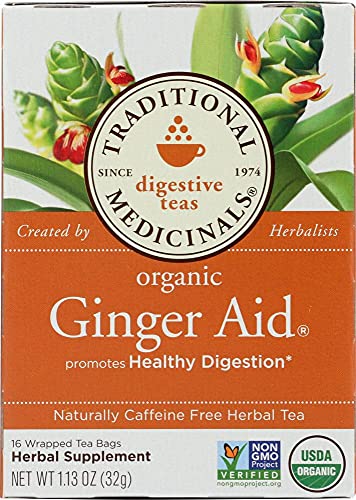
Traditional Medicinals Organic Ginger Aid Herbal Tea, Promotes Healthy Digestion, (Pack of 1) - 16 Tea Bags : Black Teas
Traditional Medicinals Organic Ginger & Chamomile Herbal Tea, <strong>Relieves Occasional Indigestion or Nausea</strong>, (Pack of 1) - 16 Tea Bags
Evidence & Sources
Promising research with growing clinical support from multiple studies
- Society for Integrative Oncology
- American Society of Clinical Oncology (ASCO)
- National Comprehensive Cancer Network (NCCN)
- National Center for Complementary and Integrative Health (NCCIH)
- World Health Organization (WHO)
- CA: A Cancer Journal for Clinicians
- Journal of Clinical Oncology
- JAMA Oncology
- The BMJ
- Psycho-Oncology
This content is for informational purposes only and does not constitute medical advice. Always consult a qualified healthcare provider before starting, stopping, or changing any supplement or medication regimen.