

Cancer-Related Fatigue
Also known as: Chemo Fatigue, Oncology Fatigue
Overview
Cancer-related fatigue (CRF) is a persistent, distressing sense of physical, emotional, and/or cognitive exhaustion associated with cancer or cancer treatment. Unlike ordinary tiredness, it is often not fully relieved by rest or sleep and may interfere with work, movement, concentration, mood, social life, and overall quality of life. CRF is among the most common symptoms reported by people with cancer, occurring during active treatment and, for some, continuing months or years into survivorship.
CRF is considered a multifactorial condition. It may be linked to the cancer itself, chemotherapy, radiation, immunotherapy, surgery, hormonal therapy, anemia, pain, sleep disruption, emotional distress, poor nutrition, reduced physical activity, inflammation, and other medical conditions such as thyroid dysfunction or infection. In many cases, several contributors overlap, which helps explain why fatigue can feel difficult to predict or manage.
Its significance is substantial because fatigue can affect nearly every dimension of recovery and daily functioning. Research suggests that CRF may reduce participation in rehabilitation, lower physical endurance, impair memory and attention, and intensify the burden of other symptoms such as depression, insomnia, and pain. It is also a frequent reason patients seek integrative and supportive care approaches aimed at energy support, resilience, and symptom relief.
From an integrative health perspective, CRF is typically understood not as a single isolated symptom but as a whole-person experience involving body systems, mental health, sleep, activity tolerance, and stress physiology. This has led to growing interest in multimodal support strategies, including physical activity, psychosocial care, nutrition assessment, sleep support, and selected complementary practices. Because fatigue can sometimes signal a treatable complication, evaluation by qualified healthcare professionals remains an important part of care.
Medical Perspectives
Two Ways of Seeing Health

Western
scientific · clinical
Western medicine applies science, technology, and clinical experience to treat symptoms through testing, diagnosis, and targeted intervention.

Eastern
traditional · alternative
Eastern medicine focuses on treating the body naturally by applying traditional knowledge practiced for thousands of years, emphasizing balance and whole-person wellness.
Gold Bamboo presents both perspectives side-by-side so you can make informed decisions. We don't advocate for one over the other — your health choices are yours.
Western Medicine Perspective
Western Medicine Perspective
In conventional medicine, cancer-related fatigue is recognized as a distinct clinical syndrome rather than simple tiredness. Major oncology organizations describe it as disproportionate to recent activity, persistent over time, and burdensome enough to impair usual functioning. Clinical assessment generally focuses on identifying reversible or contributing factors, such as anemia, medication effects, pain, depression, anxiety, dehydration, poor sleep, endocrine disorders, infection, or cardiopulmonary issues. Fatigue is often measured using patient-reported symptom scales because its impact is highly subjective and can fluctuate across the treatment course.
Current supportive oncology literature suggests that exercise and physical activity are among the most consistently supported nonpharmacologic approaches for many patients, particularly supervised or appropriately tailored aerobic and resistance-based programs. Psychological interventions, including cognitive behavioral strategies, psychoeducation, mindfulness-based approaches, and energy conservation education, have also shown benefit in some studies. Sleep assessment, nutrition support, and treatment of coexisting symptoms are considered central parts of a comprehensive management plan.
Pharmacologic options are more limited and are typically considered in selected clinical contexts rather than as universal solutions. For example, stimulants and wakefulness-promoting agents have been studied, but results have been mixed and their use remains individualized. Conventional care generally emphasizes multidisciplinary symptom management, survivorship monitoring, and ongoing reassessment, especially when fatigue is severe, new, or changing in pattern.
Eastern & Traditional Perspective
Eastern/Traditional Medicine Perspective
In Traditional Chinese Medicine (TCM), fatigue related to cancer is often interpreted through patterns such as Qi deficiency, Blood deficiency, Spleen weakness, Kidney deficiency, or stagnation that develops after prolonged illness or intensive treatment. From this perspective, cancer therapies may deplete the body's vital substances and disrupt the balance needed for physical strength, mental clarity, and recovery. TCM approaches have traditionally included acupuncture, moxibustion, dietary therapy, gentle movement practices such as qigong or tai chi, and individualized herbal formulas based on pattern differentiation.
Research on acupuncture for CRF suggests potential benefit for some patients, particularly in supportive care settings, though study quality and protocols vary. Mind-body practices rooted in Eastern traditions, including qigong, meditation, and yoga-informed breathing practices, have also been explored for fatigue, sleep, and overall well-being. These approaches are often framed as supporting energy regulation, reducing stress reactivity, and improving functional recovery rather than targeting a single disease mechanism.
In Ayurveda, cancer-related fatigue may be discussed in relation to depleted vitality, impaired digestion and nourishment, and imbalance in systems that govern energy, resilience, and restoration. Supportive practices may traditionally include restorative routines, breathwork, meditation, yoga, and individualized dietary or herbal strategies. In naturopathic and other traditional systems, the focus is often on whole-person support, including sleep, nutrition, stress burden, and constitutional recovery. Because people undergoing cancer treatment may face herb-drug interactions or safety concerns, integrative care is generally best considered in coordination with oncology clinicians and qualified traditional medicine practitioners.
Supplements & Products
Recommended Products
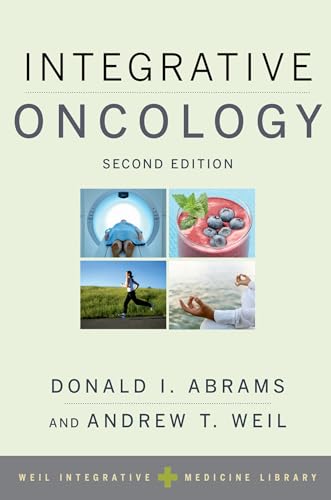
Integrative Oncology (Weil Integrative Medicine Library)
Integrative Oncology, the first volume in the Weil Integrative Medicine Library, <strong>provides a wealth of information for both practitioners and consumers on the emerging field of integrative onco

NOW Foods Supplements, American Ginseng (Panax quinquefolius) 500 mg, Herbal Supplement, 100 Veg Capsules
Horbäach American Ginseng Capsules | 200 Pills | Panax Quinquefolius Root | Non-GMO, Gluten Free Supplement · Nutricost Panax Ginseng 1000mg, 240 Capsules - Non GMO, Gluten Free, 120 Servings · Dairyl

Verilux HappyLight Luxe - Light Therapy Lamp with 10,000 Lux, UV-Free, LED Bright White Light with Adjustable Brightness, Color, Countdown Timer, & Stand - Boost Mood, Sleep, Focus (White)
Verilux HappyLight Lumi Plus - Light Therapy Lamp with 10,000 Lux, <strong>UV-Free, LED Bright White Light with Adjustable Brightness, Countdown Timer, & Detachable Stand - Boost Mood, Sleep, and
Evidence & Sources
Promising research with growing clinical support from multiple studies
- National Cancer Institute (PDQ)
- National Comprehensive Cancer Network (NCCN Guidelines)
- American Society of Clinical Oncology
- Society for Integrative Oncology
- Cochrane Database of Systematic Reviews
- JAMA Oncology
- Journal of Clinical Oncology
- CA: A Cancer Journal for Clinicians
- National Center for Complementary and Integrative Health (NCCIH)
- Oncology Nursing Society
This content is for informational purposes only and does not constitute medical advice. Always consult a qualified healthcare provider before starting, stopping, or changing any supplement or medication regimen.