

Bursitis
Also known as: Joint Bursa Inflammation
Overview
Bursitis refers to inflammation or irritation of a bursa, a small fluid-filled sac that helps reduce friction between bones, tendons, muscles, and skin near a joint. Bursae act as cushions in areas exposed to repeated movement or pressure, especially around the shoulder, elbow, hip, knee, and heel. When a bursa becomes inflamed, it can lead to localized pain, swelling, tenderness, warmth, and restricted motion, with symptoms often worsening during movement or sustained pressure on the joint.
This condition is commonly associated with repetitive strain, overuse, prolonged kneeling or leaning, direct trauma, biomechanical stress, and age-related wear. Some forms of bursitis may also occur alongside systemic inflammatory disorders such as rheumatoid arthritis, gout, or infection. In clinical practice, bursitis is often categorized as either acute or chronic, and as septic (infection-related) or aseptic (noninfectious). Distinguishing among these forms is important because the underlying causes and management considerations differ substantially.
From a public health and musculoskeletal standpoint, bursitis is significant because it can interfere with work tasks, exercise, sleep, and everyday movement, particularly when it affects high-use joints. Although many cases are self-limited, recurrent or persistent bursitis may reflect broader issues such as poor movement mechanics, repetitive occupational stress, inflammatory disease, or inadequate recovery from injury. It is also frequently confused with related conditions such as tendinopathy, arthritis, or referred pain, making accurate assessment important.
Research and clinical literature generally describe bursitis as a mechanical and inflammatory condition with multiple potential contributors rather than a single disease process. Conventional medicine emphasizes identifying the source of inflammation and ruling out infection or structural injury, while traditional systems often interpret bursitis through patterns of stagnation, tissue irritation, and impaired circulation of vital substances. Across both perspectives, bursitis is typically viewed as a condition in which reducing irritation and supporting functional movement are central themes. Because severe pain, fever, marked redness, or sudden swelling may suggest infection or another serious cause, evaluation by a qualified healthcare professional is considered important in those situations.
Compare Treatment Options
Joint inflammation refers to swelling, warmth, stiffness, and pain arising from irritation of the tissues in or around a joint. It is a pattern of symptoms rather than a single diagnosis, and can appear in conditions as varied as osteoarthritis with synovitis, rheumatoid arthritis, gout, reactive arthritis, overuse injuries, bursitis, or flares after infection or mechanical stress. Some people experience a single swollen joint after activity or injury, while others develop persistent inflammation affecting multiple joints and morning stiffness. Treatment options vary because the cause, location, duration, and intensity of inflammation matter. Western care often focuses on identifying the diagnosis, reducing inflammation, preserving function, and preventing structural damage when autoimmune disease is involved. Eastern approaches such as acupuncture, mind-body movement, and traditional herbal strategies are often used to support pain control, mobility, and overall symptom burden. A thoughtful plan typically considers red-flag symptoms, how quickly relief is needed, tolerance for medication side effects, and whether the picture suggests a short-lived flare or a chronic inflammatory condition requiring ongoing monitoring.
View treatment comparison (8 options)Medical Perspectives
Two Ways of Seeing Health

Western
scientific · clinical
Western medicine applies science, technology, and clinical experience to treat symptoms through testing, diagnosis, and targeted intervention.

Eastern
traditional · alternative
Eastern medicine focuses on treating the body naturally by applying traditional knowledge practiced for thousands of years, emphasizing balance and whole-person wellness.
Gold Bamboo presents both perspectives side-by-side so you can make informed decisions. We don't advocate for one over the other — your health choices are yours.
Western Medicine Perspective
Western Medicine Perspective
In conventional medicine, bursitis is understood as inflammation of a bursal sac caused by repetitive microtrauma, acute injury, prolonged compression, crystal deposition, inflammatory disease, or infection. Commonly recognized examples include subacromial bursitis in the shoulder, olecranon bursitis at the elbow, prepatellar bursitis at the knee, trochanteric bursitis or greater trochanteric pain syndrome at the hip, and retrocalcaneal bursitis near the heel. Modern assessment often focuses on whether the pain truly originates in the bursa or in neighboring tissues such as tendons, fascia, or joints, since overlap is common.
Diagnosis is typically based on history and physical examination, with imaging such as ultrasound or MRI sometimes used when the diagnosis is uncertain or when other injuries are suspected. If infection is a concern, clinicians may consider bursal aspiration and fluid analysis to evaluate for bacteria, crystals, or inflammatory markers. In the biomedical model, bursitis is less a stand-alone disease than a sign of local tissue overload, friction, or systemic inflammatory activity.
Conventional management generally centers on reducing mechanical aggravation, controlling inflammation, and restoring function. Research supports the role of activity modification, physical therapy, targeted exercise, ergonomic changes, and in selected cases anti-inflammatory medications or corticosteroid injection, depending on the site and cause. Septic bursitis requires a different medical approach because infection can progress if not properly addressed. Long-term prevention in western practice often emphasizes load management, flexibility, strength, posture, and correction of repetitive movement patterns rather than focusing only on short-term symptom relief.
The evidence base is strongest for diagnostic evaluation, rehabilitation strategies, and selective use of conventional anti-inflammatory interventions, though outcomes vary by the affected joint and by whether the condition is truly isolated bursitis or part of a broader pain syndrome. Clinical guidelines generally stress that persistent or recurrent symptoms warrant reassessment for alternate diagnoses including tendon tears, arthritis, crystal arthropathy, or referred spinal pain.
Eastern & Traditional Perspective
Eastern/Traditional Medicine Perspective
In Traditional Chinese Medicine (TCM), bursitis-like symptoms are often interpreted within the broader category of painful obstruction syndromes (Bi syndrome), where pain and limited movement arise from impaired flow of Qi and Blood through the channels. Depending on the presentation, this may be associated with patterns described as Wind-Cold-Damp invasion, Damp-Heat, or Blood stasis after overuse or trauma. Swelling, heaviness, stiffness, and localized tenderness are viewed not simply as isolated structural issues but as signs of disrupted circulation and tissue nourishment in and around the joint.
Traditional East Asian approaches have historically used modalities such as acupuncture, moxibustion, manual therapy, topical liniments, and herbal formulas to address pain, swelling, and restricted mobility. In this framework, treatment is individualized according to the person's overall pattern rather than the anatomical bursa alone. For example, chronic recurring pain may be understood differently from an acutely hot, swollen presentation. Contemporary research suggests acupuncture may help some forms of musculoskeletal pain, but studies specific to bursitis are more limited and often mixed in quality.
In Ayurveda, bursitis may be interpreted through disturbances involving Vata affecting joint movement and pain, sometimes with Pitta-related inflammation or Kapha-related swelling and stagnation. Traditional descriptions of joint pain conditions often emphasize impaired tissue balance, accumulated metabolic waste concepts such as ama, and local obstruction. Ayurvedic care has historically included herbal preparations, external oil applications, fomentation, bodywork, and lifestyle measures aimed at easing stiffness and supporting mobility, though modern clinical evidence for bursitis specifically remains limited.
In naturopathic and integrative traditions, bursitis is often viewed as a combination of local inflammation, repetitive strain, and systemic contributors such as metabolic stress or generalized inflammatory burden. These frameworks may discuss anti-inflammatory nutrition, physical medicine techniques, hydrotherapy, and botanical support, but the quality of evidence varies considerably by intervention. Across eastern and traditional systems, the emphasis is commonly on restoring balance, circulation, and movement capacity while recognizing that red-flag symptoms such as fever, severe redness, or rapidly increasing swelling require prompt conventional medical evaluation.
Supplements & Products
Recommended Products

Built from Broken: A Science-Based Guide to Healing Painful Joints, Preventing Injuries, and Rebuilding Your Body: Hogan, Scott H
Built from Broken: <strong>A Science-Based Guide to Healing Painful Joints, Preventing Injuries, and Rebuilding Your Body</strong> [Hogan, Scott H] on Amazon.com. *FREE* shipping on qualifying offers.
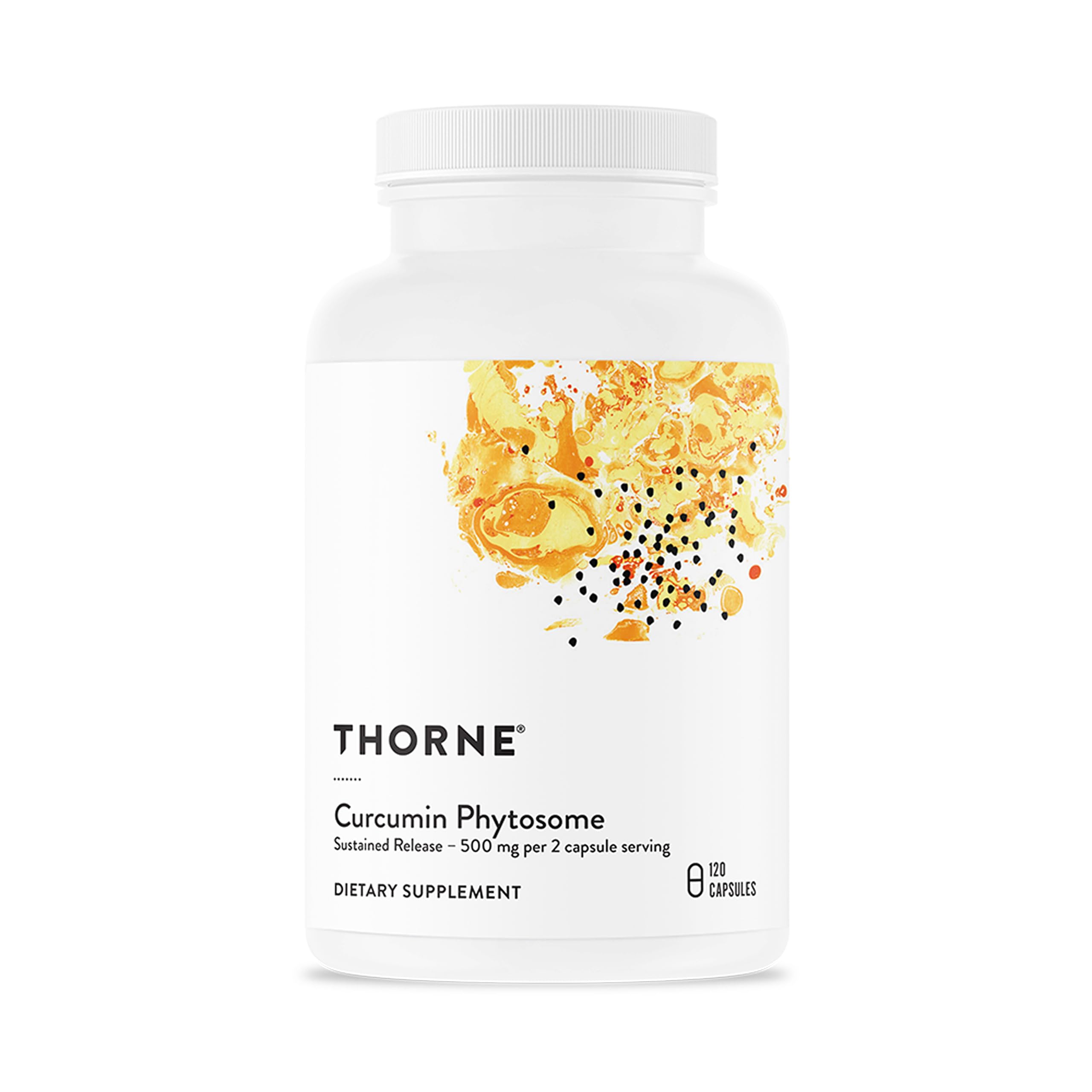
THORNE - Curcumin Phytosome 500 mg (Meriva) - Sustained Release, Clinically Studied - Supports Healthy Inflammatory Response in Joints, Muscles, GI Tract, Liver, Brain & Nerves* - 60 Servings
Buy THORNE - Curcumin Phytosome 500 mg (Meriva) - Sustained Release, Clinically Studied - <strong>Supports Healthy Inflammatory Response in Joints, Muscles, GI Tract, Liver, Brain & Nerves</strong

FlexiKold Gel Ice Packs (Standard Large: 10.5" x 14.5") for Injuries Reusable, Back Pain Relief, Knee Wrap, After Surgery, Ice Pack for Knee, Shoulder - 6300-COLD by NatraCure
Amazon.com: FlexiKold Gel Ice Packs (Standard Large: 10.5" x 14.5") for Injuries Reusable, Back Pain Relief, Knee Wrap, After Surgery, Ice Pack for Knee, Shoulder - 6300-COLD by NatraCure :
Evidence & Sources
Promising research with growing clinical support from multiple studies
- American Academy of Orthopaedic Surgeons (AAOS)
- National Institute of Arthritis and Musculoskeletal and Skin Diseases (NIAMS)
- StatPearls Publishing: Bursitis
- American Family Physician
- Journal of Orthopaedic & Sports Physical Therapy
- BMJ Best Practice
- National Center for Complementary and Integrative Health (NCCIH)
- Cochrane Reviews
This content is for informational purposes only and does not constitute medical advice. Always consult a qualified healthcare provider before starting, stopping, or changing any supplement or medication regimen.