

Bronchitis
Also known as: Chest Cold, Acute Bronchitis, Chronic Bronchitis
Overview
Bronchitis refers to inflammation of the bronchial tubes, the air passages that carry air into and out of the lungs. The condition commonly causes cough, mucus production, chest discomfort, fatigue, and sometimes wheezing or shortness of breath. Bronchitis is generally described as either acute or chronic. Acute bronchitis is usually short-term and often follows a viral upper respiratory infection, while chronic bronchitis is a long-standing, recurrent productive cough that is considered part of the spectrum of chronic obstructive pulmonary disease (COPD).
Acute bronchitis is one of the most common reasons people seek medical care for cough. In most cases, it is linked to viral infections, and symptoms may last longer than many people expect, with cough often persisting for several weeks even after the initial infection improves. Chronic bronchitis, by contrast, is more strongly associated with long-term airway irritation, especially from cigarette smoking, air pollution, occupational exposures, or repeated respiratory injury. Its significance lies not only in the cough itself but in the underlying airway damage and the potential for progressive breathing limitation.
From a broader health perspective, bronchitis sits at the intersection of infection, inflammation, environmental exposure, and airway sensitivity. It may overlap with asthma, allergies, sinus disease, reflux, or other causes of persistent cough. Because symptoms such as fever, shortness of breath, chest pain, or prolonged sputum production can also occur with pneumonia, asthma exacerbations, COVID-19, influenza, or other lung conditions, evaluation by a qualified healthcare professional may be important when symptoms are severe, recurrent, or slow to resolve.
Many people looking into bronchitis are seeking ways to understand supportive respiratory care, especially when cough lingers after infection. Research and traditional medicine literature both discuss measures aimed at easing airway irritation, supporting mucus clearance, and promoting recovery. However, the appropriate approach depends on whether the issue is a self-limited acute illness, an exacerbation of chronic lung disease, or a sign of another condition requiring medical assessment.
Compare Treatment Options
Chronic bronchitis is a long-term airway condition defined clinically by a productive cough lasting at least three months in a year for two consecutive years. It often sits within the broader spectrum of chronic obstructive pulmonary disease (COPD), though not every chronic cough is chronic bronchitis. The condition involves ongoing irritation and inflammation of the bronchial tubes, increased mucus production, and in many people, episodes of wheezing, chest tightness, shortness of breath, or recurrent flare-ups. Smoking remains the most common cause, but air pollution, occupational dust or chemical exposure, and repeated respiratory infections can also contribute. Treatment options vary because chronic bronchitis is not one uniform problem. Some people are mainly troubled by daily mucus and cough, while others have frequent exacerbations, reduced exercise tolerance, or overlapping asthma, sinus disease, or emphysema. Western care often focuses on confirming the diagnosis with spirometry, reducing airway inflammation and bronchospasm, preventing exacerbations, and improving physical function. Eastern approaches such as acupuncture, breathing practices, and certain herbal traditions are used more often as adjunctive strategies aimed at symptom relief, resilience, and quality of life. Research support differs by intervention, so a balanced review of expected benefit, safety, evidence quality, and individual fit is important.
View treatment comparison (6 options)Medical Perspectives
Two Ways of Seeing Health

Western
scientific · clinical
Western medicine applies science, technology, and clinical experience to treat symptoms through testing, diagnosis, and targeted intervention.

Eastern
traditional · alternative
Eastern medicine focuses on treating the body naturally by applying traditional knowledge practiced for thousands of years, emphasizing balance and whole-person wellness.
Gold Bamboo presents both perspectives side-by-side so you can make informed decisions. We don't advocate for one over the other — your health choices are yours.
Western Medicine Perspective
Western Medicine Perspective
In conventional medicine, acute bronchitis is understood primarily as an inflammatory response of the bronchi, most often triggered by viruses such as influenza, rhinovirus, respiratory syncytial virus, and other common respiratory pathogens. Because viruses are the leading cause, antibiotics are usually not useful for uncomplicated acute bronchitis, and major clinical guidelines generally discourage routine antibiotic use unless there is suspicion of bacterial infection or another diagnosis such as pneumonia. Diagnosis is typically based on clinical history and physical exam, with additional testing reserved for cases involving abnormal vital signs, low oxygen levels, high-risk individuals, or concern for pneumonia, asthma, pertussis, or COPD exacerbation.
Conventional management focuses on supportive care and symptom monitoring. Research suggests that hydration, rest, humidified air, and selected over-the-counter symptom-relief measures may help some individuals tolerate the illness while inflammation gradually resolves. In certain cases, clinicians may consider bronchodilators if wheezing or underlying airway hyperreactivity is present, though these are not routinely used for everyone with acute bronchitis. Persistent cough after infection is recognized in the medical literature and may reflect ongoing airway irritation rather than active infection.
Chronic bronchitis is approached differently. In western medicine it is defined clinically by a productive cough lasting at least three months in each of two consecutive years, after other causes have been excluded. It is strongly associated with smoking and chronic airway inflammation. Evaluation may include lung function testing, imaging, and assessment for COPD, infection risk, oxygen impairment, or coexisting cardiac and pulmonary disease. Management centers on reducing airway irritants, monitoring lung function, preventing exacerbations, and addressing the underlying chronic lung disorder. Because chronic bronchitis can signal significant respiratory disease, ongoing medical oversight is often considered important.
Eastern & Traditional Perspective
Eastern/Traditional Medicine Perspective
In Traditional Chinese Medicine (TCM), bronchitis-like symptoms are not viewed as a single disease entity but as patterns involving cough, phlegm, lung qi dysfunction, and external pathogenic factors such as wind-cold, wind-heat, dryness, or phlegm-heat. Acute presentations may be interpreted as an external invasion affecting the Lung system, while lingering or recurrent cough may be associated with deeper imbalances involving the Lung, Spleen, or Kidney systems. TCM frameworks often distinguish between patterns such as cold-phlegm, hot-phlegm, dryness injuring the lungs, or deficiency-related chronic cough. Traditional approaches may include herbal formulas, acupuncture, breathing-oriented practices, and dietary patterning intended to support the body's regulation of phlegm and respiratory resilience.
In Ayurveda, bronchitis-like symptoms are often discussed through imbalances involving Kapha and Vata doshas, especially when excess mucus, congestion, dry cough, or airway reactivity are present. The respiratory tract is considered vulnerable to accumulation, irritation, and impaired flow, with different symptom patterns suggesting different energetic imbalances. Classical Ayurvedic care may include botanical preparations, warming or demulcent substances, steam-based practices, and lifestyle measures aimed at balancing digestion, mucus production, and respiratory strength. As with TCM, these are traditionally individualized rather than based solely on a disease label.
In naturopathic and integrative traditions, bronchitis is often framed around reducing irritation, supporting expectoration, and promoting recovery after infection, sometimes using botanicals such as ivy leaf, pelargonium, thyme, licorice, or honey-based preparations where appropriate. Some of these remedies have limited to moderate clinical research behind them for cough or upper respiratory symptoms, though study quality varies and findings are not uniform. Traditional systems generally emphasize that persistent, worsening, or recurrent respiratory symptoms warrant professional evaluation, particularly when breathing difficulty, high fever, or underlying chronic lung disease is present.
Supplements & Products
Recommended Products
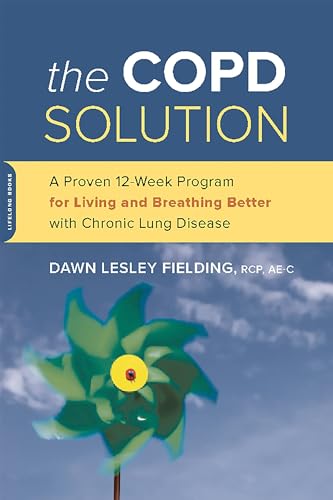
COPD Solution: A Proven 10-Week Program for Living and Breathing Better with Chronic Lung Disease - Kindle edition by Fielding, Dawn Lesley. Health, Fitness & Dieting Kindle eBooks @ Amazon.com.
Respiratory Therapist Dawn Lesley Fielding shares the program she has used in her own practice -- with an astonishing 100% success rate—<strong>offering techniques and tools to make breathing easier a

THORNE - NAC - N-Acetylcysteine - 500mg - Supports Respiratory Health & Immune Function - Promotes Liver & Kidney Detox* - Gluten, Dairy & Soy-Free - 90 Servings
Buy THORNE - NAC - N-Acetylcysteine - 500mg - <strong>Supports Respiratory Health & Immune Function - Promotes Liver & Kidney Detox</strong>* - Gluten, Dairy & Soy-Free - 90 Servings on Am

Nature's Way Cold Relief Syrup, Umcka, Shortens Duration & Reduces Severity, Multi-Symptom Cold Relief, Homeopathic, Phenylephrine Free, Non-Drowsy, Cherry Flavored, 8 Fl Oz (Packaging May Vary)
Nature's Way Cold Relief Syrup ... and is <strong>clinically proven to shorten the duration and reduce the severity of common cold symptoms like cough, congestion, sore throat and stuffy nose plu
Evidence & Sources
Promising research with growing clinical support from multiple studies
- American Academy of Family Physicians (AAFP)
- Centers for Disease Control and Prevention (CDC)
- National Heart, Lung, and Blood Institute (NHLBI)
- Global Initiative for Chronic Obstructive Lung Disease (GOLD)
- National Center for Complementary and Integrative Health (NCCIH)
- Cochrane Database of Systematic Reviews
- BMJ
- Chest
This content is for informational purposes only and does not constitute medical advice. Always consult a qualified healthcare provider before starting, stopping, or changing any supplement or medication regimen.