

Breast Cancer Support
Also known as: Breast Cancer Integrative Support, Breast Cancer Recovery
Overview
Breast cancer support refers to the broad range of supportive, integrative, and rehabilitative care used alongside standard oncology treatment or during survivorship after treatment. Rather than focusing on cancer eradication itself, this topic centers on quality of life, symptom management, functional recovery, emotional well-being, and long-term wellness for people affected by breast cancer. Common areas of interest include fatigue, pain, nausea, sleep disruption, anxiety, depression, lymphedema, treatment-related menopause symptoms, cognitive changes, nutrition, exercise, and sexual health.
Breast cancer remains one of the most commonly diagnosed cancers worldwide, and advances in screening and treatment have led to a growing population of survivors living with both short- and long-term effects of care. Surgery, chemotherapy, radiation, endocrine therapy, targeted therapy, and immunotherapy can all create distinct supportive care needs. As a result, many patients seek complementary approaches such as acupuncture, massage, mindfulness practices, yoga, dietary counseling, and psychosocial support in addition to conventional oncology services.
Research increasingly supports an integrative oncology model in which evidence-informed complementary therapies are evaluated for safety, symptom relief, and potential interactions with treatment. Supportive care is highly individualized: needs may differ during active treatment, early recovery, and long-term survivorship. A balanced approach generally emphasizes coordination with oncology teams, attention to treatment side effects, and careful review of supplements or herbs that may affect hormone pathways, bleeding risk, liver metabolism, or chemotherapy effectiveness.
From a broader health perspective, breast cancer support also includes survivorship concerns such as recurrence anxiety, body image, return to daily activities, bone health, cardiovascular health, and management of persistent symptoms. Both conventional and traditional medical systems recognize that healing extends beyond tumor treatment alone. In this context, supportive care is best understood as a multidimensional framework that addresses the physical, emotional, social, and spiritual impact of breast cancer while maintaining appropriate medical oversight.
Medical Perspectives
Two Ways of Seeing Health

Western
scientific · clinical
Western medicine applies science, technology, and clinical experience to treat symptoms through testing, diagnosis, and targeted intervention.

Eastern
traditional · alternative
Eastern medicine focuses on treating the body naturally by applying traditional knowledge practiced for thousands of years, emphasizing balance and whole-person wellness.
Gold Bamboo presents both perspectives side-by-side so you can make informed decisions. We don't advocate for one over the other — your health choices are yours.
Western Medicine Perspective
Western Medicine Perspective
In conventional medicine, breast cancer support is part of supportive oncology, rehabilitation, and survivorship care. The goal is to reduce treatment burden and preserve function without interfering with evidence-based cancer therapy. Common supportive interventions include anti-nausea medications, physical therapy, lymphedema management, pain medicine, counseling, sleep support, nutrition services, exercise oncology, palliative care, and psycho-oncology. Clinical guidelines increasingly include nonpharmacologic options such as exercise, cognitive behavioral strategies, mindfulness-based interventions, acupuncture for selected symptoms, and structured rehabilitation when supported by evidence.
A major focus in western care is the management of treatment-related side effects. Studies indicate that exercise can help reduce cancer-related fatigue and improve physical function; psychosocial interventions may lessen distress, anxiety, and depression; and certain mind-body therapies may improve sleep and stress symptoms. Some evidence also suggests benefit from acupuncture for aromatase inhibitor–associated joint symptoms, chemotherapy-induced nausea, and possibly hot flashes in selected patients. At the same time, conventional oncology remains cautious about dietary supplements and botanical products because of inconsistent quality, uncertain dosing, and possible interactions with endocrine therapies, anticoagulants, anesthesia, or chemotherapy metabolism.
Survivorship care plans in western medicine often address ongoing monitoring, recurrence awareness, menopausal symptoms, bone density, cardiovascular risk, sexual health, fertility concerns, and return to work or daily roles. Supportive care is typically interdisciplinary, involving oncologists, primary care clinicians, nurses, dietitians, rehabilitation specialists, mental health professionals, and palliative care teams. In this model, complementary therapies may be incorporated when evidence suggests safety and symptom benefit, but they are generally framed as adjuncts rather than substitutes for cancer treatment. People considering integrative therapies are commonly encouraged to discuss them with qualified oncology professionals because timing, symptom pattern, and treatment type can substantially affect appropriateness and safety.
Eastern & Traditional Perspective
Eastern and Traditional Medicine Perspective
In Traditional Chinese Medicine (TCM), supportive care for people with breast cancer is often understood through patterns involving disruption of qi, blood, yin-yang balance, phlegm accumulation, toxin concepts, and stagnation, especially under the strain of surgery, chemotherapy, radiation, and emotional stress. TCM supportive approaches may include acupuncture, moxibustion in select contexts, dietary therapy, breathing practices, and individualized herbal formulas. Traditionally, these methods are used to support vitality, ease nausea, improve appetite, reduce fatigue, calm the spirit, and address pain or sleep disturbance. In modern integrative settings, acupuncture is the TCM modality most commonly studied and incorporated because it can be standardized more readily and avoids the herb-drug interaction concerns associated with many botanical formulas.
In Ayurveda, breast cancer support is often framed around restoring balance in doshas, digestion (agni), tissue nourishment, and resilience (ojas) during and after intensive treatment. Supportive practices may include gentle yoga, meditation, restorative daily routines, individualized dietary principles, massage therapies adapted to the person’s condition, and selected herbs in traditional practice. However, from an evidence and safety standpoint, herbal use in active cancer care requires careful scrutiny because some preparations may have hormonal, immunologic, or metabolic effects relevant to oncology treatment.
Naturopathic and other traditional systems frequently emphasize whole-person support through nutrition, stress reduction, sleep restoration, physical activity, social connection, and symptom-focused natural therapies. These traditions often place particular importance on the terrain of health during recovery and survivorship. Research on lifestyle-oriented practices such as yoga, tai chi, meditation, and acupuncture is more developed than research on complex herbal protocols, and this distinction is important. Across traditional systems, a common theme is that supportive care aims to strengthen overall well-being and recovery capacity rather than serve as a replacement for surgery, radiation, chemotherapy, endocrine therapy, or other oncology treatments. Integrative use is generally considered most appropriate when coordinated with oncology-informed practitioners who can evaluate safety, goals, and potential interactions.
Supplements & Products
Recommended Products

Dr. Susan Love's Breast Book: Love MD, Susan M., Love, Elizabeth
Elizabeth Love is a journalist, ... of Dr. Susan Love’s Breast Book into Spanish and is planning to do so for the <strong>seventh edition</strong> as well....

Sea-Band Anti-Nausea Acupressure Wristband for Motion & Morning Sickness, 1 Pair, Gray
Completely natural, Sea-Band uses acupressure wristbands to gently restore balance to your body. No drugs. No side effects. Clinically tested. <strong>Suitable for most types of sickness and nausea</s
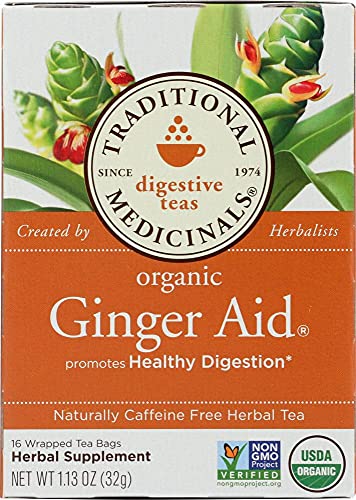
Traditional Medicinals Organic Ginger Aid Herbal Tea, Promotes Healthy Digestion, (Pack of 1) - 16 Tea Bags : Black Teas
Traditional Medicinals Organic Ginger & Chamomile Herbal Tea, <strong>Relieves Occasional Indigestion or Nausea</strong>, (Pack of 1) - 16 Tea Bags
Evidence & Sources
Promising research with growing clinical support from multiple studies
- Society for Integrative Oncology
- American Society of Clinical Oncology (ASCO)
- National Cancer Institute
- National Center for Complementary and Integrative Health (NCCIH)
- World Health Organization
- CA: A Cancer Journal for Clinicians
- Journal of Clinical Oncology
- JAMA Oncology
- Breast Cancer Research and Treatment
- Cochrane Database of Systematic Reviews
This content is for informational purposes only and does not constitute medical advice. Always consult a qualified healthcare provider before starting, stopping, or changing any supplement or medication regimen.