

Bipolar Disorder
Also known as: Bipolar Affective Disorder
Overview
Bipolar disorder is a chronic mental health condition characterized by recurring shifts in mood, energy, activity, sleep, and behavior that are more intense than ordinary emotional ups and downs. These episodes may include mania, hypomania, and depression, with symptoms ranging from elevated mood, decreased need for sleep, racing thoughts, and impulsivity to profound sadness, slowed thinking, fatigue, and loss of interest. The condition exists on a spectrum that includes bipolar I disorder, bipolar II disorder, and related conditions such as cyclothymic disorder. Its course can vary widely, with some people experiencing long periods of stability and others having more frequent or severe episodes.
Bipolar disorder is clinically significant because it can affect nearly every aspect of life, including relationships, work, cognition, judgment, and physical health. Research indicates it is associated with increased risk of substance use disorders, anxiety disorders, cardiovascular and metabolic illness, disrupted sleep-wake rhythms, and suicide. Diagnosis can be complex, especially because depressive episodes are often more common than manic episodes, and bipolar depression may initially resemble major depressive disorder. In many cases, careful longitudinal assessment is needed to distinguish bipolar disorder from other psychiatric or medical conditions.
Current understanding suggests bipolar disorder arises from an interplay of genetic vulnerability, brain-circuit and neurotransmitter changes, circadian rhythm disruption, psychosocial stress, trauma, and environmental factors. It is not simply a matter of temperament or willpower. Family and twin studies support a substantial heritable component, while neurobiological research points to altered regulation in brain systems involved in emotion, reward, impulse control, and stress response. At the same time, social context, sleep disturbance, substance exposure, and life events can strongly influence symptom expression and relapse risk.
Because bipolar disorder often follows a relapsing-remitting course, many individuals and families seek integrated care that combines conventional psychiatric treatment with broader supportive approaches for sleep, stress regulation, nutrition, movement, social rhythms, and overall resilience. A balanced educational view recognizes that bipolar disorder is a serious medical condition requiring professional evaluation, while also acknowledging that supportive lifestyle and traditional health frameworks may play a complementary role in quality of life. Any integrative approach is generally considered safest when coordinated with qualified mental health and medical professionals, particularly because mood episodes can escalate quickly and some complementary therapies may interact with psychiatric care.
Medical Perspectives
Two Ways of Seeing Health

Western
scientific · clinical
Western medicine applies science, technology, and clinical experience to treat symptoms through testing, diagnosis, and targeted intervention.

Eastern
traditional · alternative
Eastern medicine focuses on treating the body naturally by applying traditional knowledge practiced for thousands of years, emphasizing balance and whole-person wellness.
Gold Bamboo presents both perspectives side-by-side so you can make informed decisions. We don't advocate for one over the other — your health choices are yours.
Western Medicine Perspective
Western Medicine Perspective
In conventional medicine, bipolar disorder is understood as a mood disorder with episodic dysregulation of affect, energy, cognition, and behavior. Diagnostic frameworks such as the DSM-5-TR distinguish bipolar I disorder by the presence of at least one manic episode, while bipolar II disorder involves hypomanic episodes and major depressive episodes. Assessment typically includes a detailed psychiatric history, family history, review of sleep and behavioral changes, screening for substance use, and evaluation for medical conditions that can mimic mood symptoms, such as thyroid disease, neurologic illness, medication effects, or sleep disorders.
Western treatment models generally focus on long-term mood stabilization, relapse prevention, and safety. Research supports the use of mood-stabilizing medications and certain atypical antipsychotics as core treatments, with psychotherapy often used alongside pharmacologic care. Evidence-based psychotherapies may include psychoeducation, cognitive behavioral therapy, family-focused therapy, interpersonal and social rhythm therapy, and relapse-prevention planning. Sleep regularity, early recognition of warning signs, reduction of substance use, and support for daily routines are considered clinically important because circadian disruption can worsen mood instability.
Conventional medicine also emphasizes that bipolar disorder carries meaningful risks during both manic and depressive phases, including impaired judgment, self-harm, and suicide. For that reason, treatment planning often includes ongoing monitoring, crisis planning, and collaboration among psychiatry, primary care, therapy, and family or support systems when appropriate. Integrated medical care is especially relevant because people with bipolar disorder may also face elevated rates of obesity, diabetes, cardiovascular disease, and medication-related metabolic concerns. While outcomes vary, studies suggest that sustained, coordinated care can reduce relapse frequency and improve functioning over time.
Eastern & Traditional Perspective
Eastern/Traditional Medicine Perspective
In Traditional Chinese Medicine (TCM), bipolar-like patterns are not typically framed as a single disease entity identical to modern psychiatric diagnosis, but rather as disturbances involving the Heart, Liver, Spleen, and Kidney systems, often with disruption of Shen (spirit/mind), qi movement, phlegm accumulation, heat, or yin-yang imbalance. States resembling agitation, insomnia, pressured speech, or impulsive behavior may be interpreted through patterns such as phlegm-heat disturbing the mind, Liver yang rising, or Heart fire, while low mood, lethargy, and withdrawal may be associated with qi stagnation, blood deficiency, or depletion states. Traditional care has historically involved individualized pattern differentiation rather than a one-size-fits-all model.
TCM-informed and East Asian integrative approaches may include acupuncture, herbal formulas, sleep and routine regulation, breathing practices, and mind-body cultivation. Research on acupuncture for bipolar disorder remains limited and mixed, and it is generally viewed as a complementary rather than primary approach. Important cautions apply: herbal medicines can affect sleep, energy, and metabolism and may interact with psychiatric medications. For that reason, integrative care discussions often emphasize coordination with licensed clinicians familiar with both mental health and botanical safety.
In Ayurveda, bipolar-like presentations may be understood through imbalance in the doshas, especially disturbances involving Vata (instability, irregularity, overstimulation) and Pitta (intensity, irritability, heat), along with effects on the mind's qualities and the nervous system. Traditional Ayurvedic care may focus on restoring steadiness through daily rhythm, nourishment, calming practices, meditation used appropriately, and herbal support tailored to constitution and symptom pattern. As with TCM, these approaches are rooted in a holistic framework that links mental states with digestion, sleep, sensory input, and overall lifestyle.
Naturopathic and other traditional systems often emphasize foundational regulation: stable sleep-wake timing, stress reduction, nutrition, physical activity, social support, and reduction of factors that may destabilize mood. These principles overlap with conventional relapse-prevention strategies, although the evidence base for specific complementary therapies in bipolar disorder is still developing. Across traditions, a prudent integrative perspective recognizes that severe mood episodes require prompt professional assessment, and that complementary approaches are best understood as supportive measures within a broader, supervised care plan rather than stand-alone treatment for acute mania or major depression.
Supplements & Products
Recommended Products
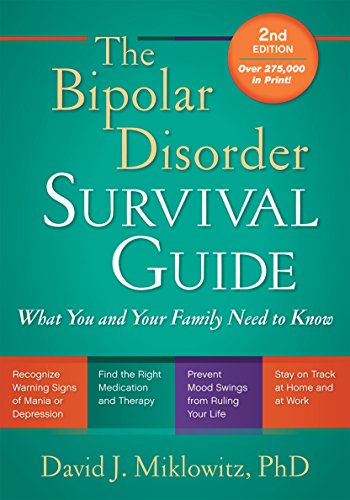
The Bipolar Disorder Survival Guide, Second Edition: What You and Your Family Need to Know
David J. Miklowitz ... This book has been replaced by Bipolar Disorder Survival Guide, Third Edition, <strong>ISBN 978-1-4625-3498-2.</strong>

Nordic Naturals ProEPA, Lemon - 120 Soft Gels - 1210 mg Omega-3 - High-Intensity EPA Formula for Healthy Mood, Heart Health & Cellular Function - Non-GMO - 60 Servings
Nordic Naturals EPA Xtra, Lemon - 60 Soft Gels - 1640 mg Omega-3 - High-Intensity EPA Formula for Positive Mood, Heart Health & Healthy Immunity - Non-GMO - 30 Servings · Nordic Naturals Ultimate
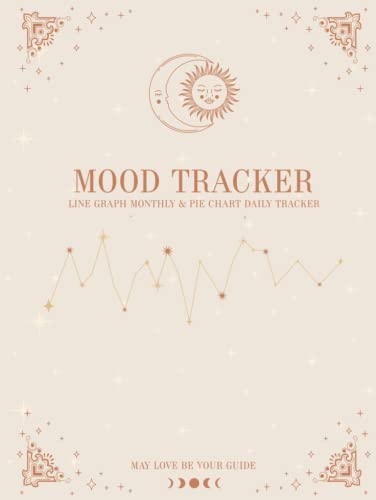
Mood Tracker Journal for Bipolar Women: Monthly Line Graph Mood Tracker and Daily Pie Chart Tracker. Comfort Mood Tracker Celestial Theme: Mood Daily ... Journal ; Self Care Journal for Women: Story, Celestial
<strong>This mood tracker is made for those who need to track and manage their mood</strong>. The function of this book is to include a monthly graph tracker, daily pie chart tracker, some space for t
Evidence & Sources
Promising research with growing clinical support from multiple studies
- National Institute of Mental Health (NIMH)
- American Psychiatric Association: Diagnostic and Statistical Manual of Mental Disorders (DSM-5-TR)
- National Institute for Health and Care Excellence (NICE) Guideline: Bipolar disorder
- The Lancet
- World Health Organization (WHO)
- CANMAT and International Society for Bipolar Disorders (ISBD) Guidelines
- National Center for Complementary and Integrative Health (NCCIH)
- American Journal of Psychiatry
This content is for informational purposes only and does not constitute medical advice. Always consult a qualified healthcare provider before starting, stopping, or changing any supplement or medication regimen.