

Azoospermia
Also known as: Zero Sperm Count
Overview
Azoospermia refers to the absence of measurable sperm in the ejaculate. It is one of the more important causes of male-factor infertility and is identified in a meaningful minority of men undergoing fertility evaluation. Broadly, azoospermia is categorized into obstructive azoospermia, in which sperm production may still occur but sperm cannot reach the semen because of a blockage, and nonobstructive azoospermia, in which sperm production in the testes is severely impaired or absent. This distinction is central because causes, prognosis, and management pathways differ substantially.
From a clinical standpoint, azoospermia is not a single disease but a finding with many possible underlying causes. These may include genetic conditions, hormonal disorders, prior infections, injury, varicocele, congenital absence of reproductive ducts, medication effects, prior chemotherapy or radiation, and systemic illness. In some cases, the cause remains idiopathic even after extensive evaluation. Because semen findings can fluctuate and collection methods matter, diagnosis generally relies on repeat semen analysis interpreted in the context of a broader medical workup.
The significance of azoospermia extends beyond fertility alone. In conventional medicine, it can occasionally serve as a clue to endocrine disorders, chromosomal abnormalities, testicular dysfunction, or obstructive abnormalities that may have broader health implications. It can also carry substantial emotional and relational impact. Many individuals searching for natural fertility support encounter a wide range of supplements, dietary strategies, and traditional practices; however, the relevance of these approaches depends heavily on whether the azoospermia is obstructive or nonobstructive and on the underlying diagnosis.
Research suggests that some contributing factors to impaired sperm production may overlap with broader reproductive and metabolic health, including oxidative stress, inflammation, heat exposure, toxin exposure, and nutritional status. At the same time, absent sperm in semen is a serious diagnostic finding that typically warrants formal medical assessment rather than self-interpretation. Integrative discussions often focus on supportive health optimization, but the evidence for natural approaches specifically reversing established azoospermia is limited and highly variable.
Medical Perspectives
Two Ways of Seeing Health

Western
scientific · clinical
Western medicine applies science, technology, and clinical experience to treat symptoms through testing, diagnosis, and targeted intervention.

Eastern
traditional · alternative
Eastern medicine focuses on treating the body naturally by applying traditional knowledge practiced for thousands of years, emphasizing balance and whole-person wellness.
Gold Bamboo presents both perspectives side-by-side so you can make informed decisions. We don't advocate for one over the other — your health choices are yours.
Western Medicine Perspective
Western Medicine Perspective
In conventional medicine, azoospermia is approached through classification, cause identification, and fertility-focused evaluation. The first step is usually confirmation with at least one repeat semen analysis, often with centrifugation to look for rare sperm. Clinicians then consider whether the pattern fits obstructive azoospermia or nonobstructive azoospermia. History, physical examination, hormone testing such as follicle-stimulating hormone (FSH), luteinizing hormone (LH), and testosterone, as well as genetic testing and scrotal or reproductive tract imaging, may help define the cause. Important diagnostic considerations include prior vasectomy, congenital bilateral absence of the vas deferens, pituitary or hypothalamic dysfunction, testicular failure, Y-chromosome microdeletions, and Klinefelter syndrome.
Studies and professional guidelines indicate that management depends on the etiology rather than the semen finding alone. In obstructive azoospermia, sperm production may be preserved, and conventional treatment pathways may include correction of obstruction in selected cases or surgical sperm retrieval for use in assisted reproduction. In nonobstructive azoospermia, the picture is more complex: some men have focal sperm production within the testes, while others do not. Hormonal causes such as hypogonadotropic hypogonadism may respond to targeted endocrine treatment under specialist care, whereas primary testicular failure is less likely to improve through general supportive measures alone.
From an evidence-based standpoint, lifestyle and supplement research in male infertility often focuses on oligospermia, asthenozoospermia, or general semen quality, not azoospermia specifically. Antioxidants, micronutrients, and lifestyle modification have been studied, but evidence is mixed, and major reviews note uncertainty regarding clinically meaningful outcomes such as live birth. For confirmed azoospermia, especially nonobstructive forms, conventional medicine generally regards detailed urologic and reproductive endocrinology evaluation as essential because some cases involve genetic implications, endocrine disorders, or structural problems that require specialized assessment.
Eastern & Traditional Perspective
Eastern/Traditional Medicine Perspective
In Traditional Chinese Medicine (TCM), azoospermia is not typically framed as an isolated laboratory diagnosis but as part of a broader pattern of reproductive imbalance. Traditional interpretations may involve concepts such as Kidney Jing deficiency, Kidney Yang deficiency, Liver Qi stagnation, Damp-Heat in the lower burner, or Blood stasis affecting the reproductive channels. Within this framework, fertility is linked to constitutional vitality, circulation, emotional balance, and the harmonious function of organ systems rather than sperm count alone. TCM practitioners have traditionally used herbal formulas, acupuncture, moxibustion, and dietary patterning with the goal of supporting reproductive function according to the individual's pattern differentiation.
In Ayurveda, male infertility-related presentations may be discussed through disturbances in Shukra dhatu (reproductive tissue), alongside broader imbalances in doshas such as Vata or Pitta. Classical approaches may emphasize nourishment, restoration, stress reduction, digestive balance, and rasayana-oriented rejuvenative strategies. Similarly, naturopathic and traditional integrative systems may focus on reducing toxin burden, supporting endocrine balance, improving sleep, moderating stress, and optimizing general nutritional status. These systems often regard reproductive health as reflecting overall systemic resilience.
The evidence base for these approaches in confirmed azoospermia remains limited. Some small studies and emerging research have explored acupuncture or herbal medicine in male infertility, but results are heterogeneous, study quality varies, and many trials do not isolate azoospermia as a distinct subgroup. As a result, eastern and traditional approaches are generally best understood as contextual, supportive frameworks rather than established corrective therapies for all forms of absent sperm in semen. Integrative care discussions commonly note the importance of coordination with qualified fertility specialists, particularly because obstructive, hormonal, and genetic causes may not be identifiable through traditional assessment alone.
Supplements & Products
Recommended Products
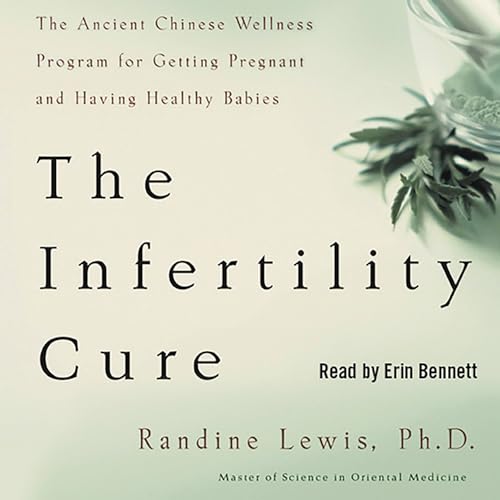
The Infertility Cure: The Ancient Chinese Wellness Program for Getting Pregnant and Having Healthy Babies: Lewis PhD, Randine
Randine A. Lewis, <strong>author of The Infertility Cure (2004), The Way of the Fertile Soul (2007), The Spirit of the Blood (2022), and Birthing The Tao (2023),</strong> has become a leading expert i
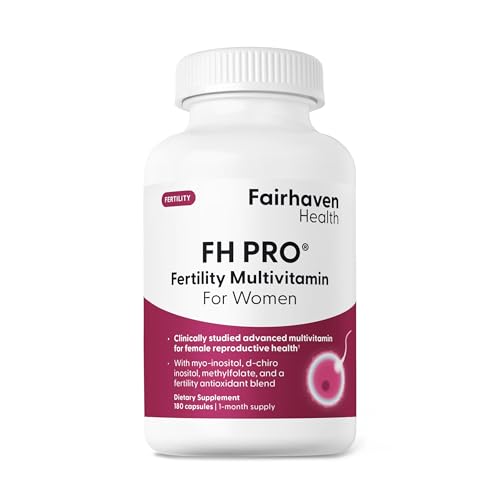
Fairhaven Health FH Pro for Men | Clinically Studied Premium Prenatal Fertility Supplements for Men | Male Fertility Supplements | Count and Motility Support Pre-Conception for Him | 180 Capsules
Buy Fairhaven Health FH Pro for Men | Clinically Studied Premium Prenatal Fertility Supplements for Men | Male Fertility Supplements | Count and Motility Support Pre-Conception for Him | 180 Capsules
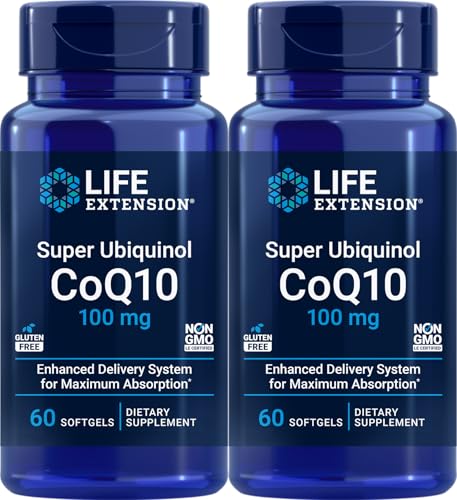
Life Extension COQ10 Super Ubiquinol 100mg with Enhanced Mitochondrial Support, 90 Softgels
Serving Size: 1 Softgel. Ingredients: Ubiquinol (as Kaneka Ubiquinol™) 100 mg, Shilajit fulvic acid complex 100 mg.
Evidence & Sources
Promising research with growing clinical support from multiple studies
- World Health Organization (WHO) Laboratory Manual for the Examination and Processing of Human Semen
- American Urological Association (AUA) and American Society for Reproductive Medicine (ASRM) Male Infertility Guideline
- European Association of Urology (EAU) Guidelines on Sexual and Reproductive Health
- National Institute of Child Health and Human Development (NICHD) – Male Infertility resources
- Cochrane Database of Systematic Reviews – Antioxidants for male subfertility
- National Center for Complementary and Integrative Health (NCCIH) – Fertility and complementary health approaches
- Fertility and Sterility
- Human Reproduction Update
This content is for informational purposes only and does not constitute medical advice. Always consult a qualified healthcare provider before starting, stopping, or changing any supplement or medication regimen.