

Autism Spectrum Disorder
Also known as: ASD, Autism
Overview
Autism spectrum disorder (ASD) is a neurodevelopmental condition characterized by differences in social communication, behavioral patterns, and sensory processing. The term spectrum reflects the wide range of ways autism can present, from people who need substantial daily support to those who live independently but still experience meaningful challenges with communication, sensory environments, flexibility, or emotional regulation. Autism is generally understood as a lifelong form of neurodivergence rather than a single disease entity, and many autistic people and advocates emphasize support, accommodation, and quality of life over attempts to "normalize" traits.
ASD commonly becomes noticeable in early childhood, though some individuals are identified later in adolescence or adulthood. Features may include differences in eye contact or nonverbal communication, focused interests, repetitive movements or routines, strong preference for sameness, and heightened or reduced sensitivity to sound, touch, light, taste, or pain. Language development varies widely. Some autistic individuals are highly verbal, while others communicate primarily through alternative or augmentative methods. Co-occurring conditions are also common, including attention-deficit/hyperactivity disorder (ADHD), anxiety, sleep disturbance, gastrointestinal symptoms, epilepsy, intellectual disability, and mood disorders.
From a public health perspective, autism is increasingly recognized worldwide, likely due to a combination of broader diagnostic criteria, improved awareness, better screening, and evolving access to services. Research suggests that autism arises from a complex interplay of genetic, developmental, and environmental influences, with strong heritability but no single universal cause. The condition is not caused by parenting style, and major scientific reviews have found no credible evidence that routine childhood vaccines cause autism.
Families often explore both conventional and integrative approaches because day-to-day concerns frequently extend beyond diagnosis alone. Common areas of interest include sleep regulation, digestive comfort, nutrition, sensory balance, emotional well-being, communication support, and caregiver stress. A balanced discussion of ASD therefore includes both evidence-based conventional care and traditional systems that focus on whole-person regulation and function, while recognizing that claims of detoxification, reversal, or cure are not supported by mainstream evidence. Because autistic people vary substantially, supportive care is typically individualized and ideally coordinated with qualified healthcare professionals.
Medical Perspectives
Two Ways of Seeing Health

Western
scientific · clinical
Western medicine applies science, technology, and clinical experience to treat symptoms through testing, diagnosis, and targeted intervention.

Eastern
traditional · alternative
Eastern medicine focuses on treating the body naturally by applying traditional knowledge practiced for thousands of years, emphasizing balance and whole-person wellness.
Gold Bamboo presents both perspectives side-by-side so you can make informed decisions. We don't advocate for one over the other — your health choices are yours.
Western Medicine Perspective
Western Medicine Perspective
In conventional medicine, autism spectrum disorder is viewed as a neurodevelopmental condition diagnosed through clinical assessment rather than a single lab test or imaging finding. Evaluation typically includes developmental history, behavioral observation, and standardized diagnostic tools administered by trained clinicians such as developmental pediatricians, psychologists, neurologists, psychiatrists, or multidisciplinary teams. Screening in early childhood is emphasized because earlier identification can improve access to communication supports, educational accommodations, and therapies that target daily functioning. Western medicine increasingly recognizes that autism frequently coexists with other medical and psychiatric concerns, so assessment often includes hearing, sleep, gastrointestinal symptoms, seizures, attention difficulties, anxiety, and adaptive functioning.
Conventional management focuses on supportive, individualized, goal-oriented care rather than cure. Evidence-based interventions may include speech-language therapy, occupational therapy, educational supports, behavioral interventions, social communication programs, and treatment of co-occurring conditions when present. Research indicates that approaches tailored to the individual’s strengths, communication style, sensory profile, and family context are more meaningful than one-size-fits-all models. There is also growing emphasis on neurodiversity-informed care, which prioritizes autonomy, distress reduction, accessibility, and practical participation in school, home, work, and community life.
Biomedical research has explored many adjunctive strategies often discussed by families, including special diets, omega-3 fatty acids, probiotics, melatonin, vitamins and minerals, and microbiome-directed interventions. The quality of evidence varies considerably. Melatonin has moderate evidence for improving sleep onset in some autistic children under medical supervision, while findings for restrictive diets or nutritional supplements are mixed and often limited by small study size or participant selection. Clinicians generally emphasize careful review of potential benefits, risks, nutritional adequacy, medication interactions, and the importance of avoiding unsupported therapies marketed as treatments for the "root cause" of autism. Consultation with licensed healthcare professionals is important when considering any medical, nutritional, or supplement-based approach.
Eastern & Traditional Perspective
Eastern and Traditional Medicine Perspective
Traditional and integrative systems do not historically describe autism using modern diagnostic criteria, but many interpret autism-related patterns through broader frameworks involving nervous system regulation, sensory imbalance, digestive function, sleep quality, emotional steadiness, and constitutional differences. In Traditional Chinese Medicine (TCM), presentations associated with developmental or communication differences may be discussed in terms of patterns involving the Heart, Spleen, Kidney, and Liver systems, along with concepts such as Shen disturbance, phlegm obstruction, or imbalance affecting attention, speech, and calmness. In Ayurveda, some practitioners relate developmental and sensory dysregulation to imbalances in Vata dosha, sometimes alongside digestive irregularity or altered mind-body coordination. Naturopathic and holistic traditions may place additional emphasis on diet quality, sleep rhythm, stress load, environmental sensitivity, and gut function.
Traditional approaches generally aim to support regulation and overall well-being rather than redefine autism itself as an illness to be eliminated. Modalities sometimes explored include acupuncture, acupressure, massage, sensory-calming bodywork, mindfulness-based practices adapted for developmental needs, yoga-based movement, herbal traditions, and individualized dietary frameworks. Families are often drawn to these systems because they address quality-of-life concerns such as restlessness, sleep disturbance, digestion, stress, and sensory overwhelm in a whole-person way. However, traditional frameworks vary widely by practitioner training, region, and philosophy, and interpretation is often highly individualized.
Research on these modalities in autism remains limited and mixed. Some studies suggest possible benefit for associated issues such as anxiety, sleep, irritability, or parent-reported behavior, but many trials are small, heterogeneous, or methodologically weak. For acupuncture, massage, and herbal medicine, evidence is not strong enough to support broad conclusions about core autism traits. As a result, these approaches are best understood as complementary areas of interest rather than established treatments for ASD. Any traditional or integrative approach warrants careful discussion with qualified healthcare providers, especially when herbs, supplements, or intensive programs are involved, due to concerns about quality control, safety, and interactions with conventional care.
Supplements & Products
Recommended Products

Uniquely Human: Updated and Expanded: A Different Way of Seeing Autism: Prizant Ph.D., Barry M., Fields-Meyer, Tom
Temple Grandin Award for the Outstanding Literary Work in Autism A groundbreaking book on autism, by one of the world’s leading experts, who portrays autism as a unique way of being human—this is “req
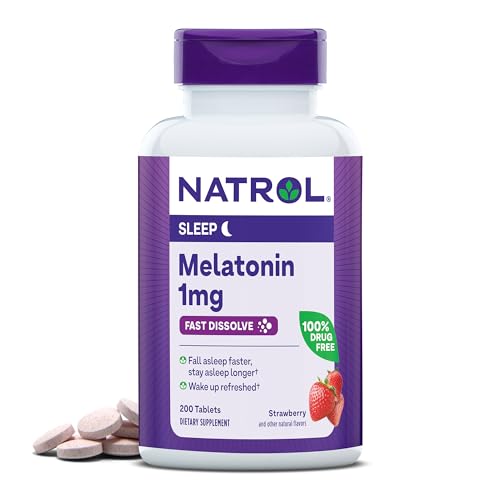
Natrol Fast Dissolve Melatonin 1 mg, Sleep Support for Adults
Suggested Use: <strong>Adults, take one melatonin 1 mg fast dissolve tablet 30 minutes before bedtime</strong>. Dissolve in mouth or chew before swallowing. No water necessary. Natrol is dedicated to

YnM 15lbs Weighted Blanket for Adults, Heavy Bed Throw Blanket with Cooling Glass Beads for All Season Use, Ideal for ~90lbs (48x72 Inches, Twin/Full, Dark Grey)
It has 16 sturdy loops for securing the duvet cover (available separately) to prevent slippage. YNM Duvets are sold seperatly. [Innovative Design] The 7-layer system design adapts to the curve of your
Evidence & Sources
Promising research with growing clinical support from multiple studies
- U.S. Centers for Disease Control and Prevention (CDC)
- National Institute of Mental Health (NIMH)
- American Academy of Pediatrics
- National Institute for Health and Care Excellence (NICE)
- Cochrane Reviews
- National Center for Complementary and Integrative Health (NCCIH)
- World Health Organization (WHO)
- The Lancet
- JAMA Network
- Pediatrics
This content is for informational purposes only and does not constitute medical advice. Always consult a qualified healthcare provider before starting, stopping, or changing any supplement or medication regimen.