

Attention Deficit Hyperactivity Disorder (ADHD)
Overview
Attention Deficit Hyperactivity Disorder (ADHD) is a neurodevelopmental condition characterized by persistent patterns of inattention, hyperactivity, and/or impulsivity that interfere with functioning or development. Symptoms often begin in childhood, but ADHD is now widely recognized as a lifespan condition that can continue into adolescence and adulthood. It affects academic performance, work productivity, emotional regulation, relationships, and daily organization, though the way it presents varies considerably from person to person.
ADHD is typically described in three presentations: predominantly inattentive, predominantly hyperactive-impulsive, and combined presentation. Common features may include difficulty sustaining attention, forgetfulness, restlessness, interrupting others, disorganization, and problems with time management. In adults, overt hyperactivity may become less visible and instead appear as inner restlessness, difficulty prioritizing tasks, or chronic distractibility. ADHD frequently coexists with other conditions such as anxiety disorders, depression, learning disorders, sleep problems, and substance use disorders, which can complicate recognition and management.
Current research suggests ADHD arises from a combination of genetic, neurobiological, developmental, and environmental influences. Family and twin studies indicate substantial heritability, while brain imaging and cognitive studies point to differences in networks involved in executive function, reward processing, motivation, and inhibitory control. Environmental factors such as prematurity, prenatal exposures, early adversity, and sleep disruption may also shape symptom expression, although no single factor fully explains the condition.
ADHD is among the most commonly studied childhood neurodevelopmental disorders, yet diagnosis and lived experience remain nuanced. Symptoms can be missed in girls and women, in high-functioning adults, and in people whose difficulties are attributed to stress, personality, or coexisting mental health concerns. A balanced understanding of ADHD increasingly recognizes both its challenges and the ways some individuals describe strengths associated with it, such as creativity, novelty-seeking, and high energy in supportive environments. Because symptom patterns overlap with many other medical, psychiatric, and developmental issues, careful assessment by qualified healthcare professionals remains central.
Western Medicine Perspective
Western Medicine Perspective
In conventional medicine, ADHD is understood as a neurodevelopmental disorder diagnosed through a comprehensive clinical evaluation rather than a single laboratory test or brain scan. Diagnostic frameworks such as the DSM-5-TR and ICD-11 emphasize symptom persistence, age of onset, impairment across settings, and the exclusion of alternative explanations. Assessment often includes developmental history, school or workplace functioning, rating scales, collateral information from family or teachers when relevant, and screening for coexisting conditions. Clinicians also consider other contributors to attention problems, such as sleep disorders, trauma, anxiety, depression, thyroid disease, hearing or vision issues, substance use, and medication effects.
From a biological standpoint, research indicates that ADHD involves altered regulation in brain circuits linked to dopamine and norepinephrine signaling, especially in systems supporting attention, behavioral inhibition, working memory, and reward sensitivity. Genetic studies consistently find ADHD to be highly heritable, while neuropsychological research shows that many—though not all—people with ADHD have measurable differences in executive functioning. Conventional care therefore often focuses on reducing functional impairment and improving quality of life through a combination of psychoeducation, behavioral strategies, school or workplace accommodations, psychotherapy, parent training, coaching, and medication when appropriate under medical supervision.
Pharmacologic treatment has been among the most extensively studied aspects of ADHD. Stimulant medications and certain non-stimulant medications have demonstrated benefit for many individuals in reducing core symptoms in the short to medium term, though effects, tolerability, and preferences vary. Non-drug approaches, including behavioral interventions, structured routines, sleep support, and skills-based therapy, are also important parts of care, particularly when ADHD coexists with anxiety, learning difficulties, or family stress. Western medicine increasingly views ADHD management as multimodal and individualized, with periodic reassessment over time rather than a one-size-fits-all model.
Eastern & Traditional Perspective
Eastern and Traditional Medicine Perspective
In Traditional Chinese Medicine (TCM), symptoms associated with ADHD are generally not mapped onto a single disease category but may be understood through patterns involving the Heart, Liver, Spleen, and Kidney systems, particularly when there is restlessness, poor concentration, emotional volatility, or difficulty calming the mind. Traditional frameworks may describe these patterns in terms such as Shen disturbance, Liver yang rising, phlegm obstruction, or Spleen qi deficiency, depending on the overall presentation. The goal in TCM is traditionally framed as restoring balance, supporting calm focus, and harmonizing body-mind function rather than targeting a discrete diagnostic label.
TCM-based approaches may include acupuncture, herbal medicine, dietary patterning, sleep regulation, and mind-body practices such as qigong. Some clinical studies have explored acupuncture or herbal formulas for attention, behavior regulation, and sleep in children with ADHD, but the quality of evidence remains mixed, with variability in methods, small sample sizes, and challenges in blinding and standardization. As a result, research is considered suggestive in some areas but not definitive by conventional evidence standards.
In Ayurveda, ADHD-like symptom patterns may be interpreted through imbalances involving Vata dosha, especially when there is distractibility, impulsivity, irregular routines, and difficulty settling the nervous system. Traditional Ayurvedic care often emphasizes stabilization through routine, digestion-focused care, meditation, yoga, and individualized herbal approaches. In naturopathic and integrative medicine, ADHD is often viewed through a broader systems lens that may include sleep, nutrition, stress physiology, environmental exposures, gut health, and nervous system regulation. These traditions frequently prioritize lifestyle and whole-person context.
Across eastern and traditional systems, a recurring theme is that attention and behavioral regulation are influenced by overall balance, daily rhythm, emotional state, and constitutional factors. While many families and adults report interest in integrative approaches, these systems are best understood as complementary frameworks rather than replacements for formal assessment. Consultation with qualified healthcare professionals is important, particularly because concentration problems can have multiple causes and because herbal products, supplements, or combined therapies may carry safety considerations.
Supplements & Products
Recommended Products
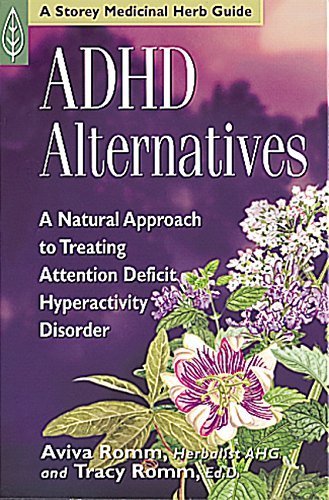
ADHD Alternatives: A Natural Approach to Treating ...
<strong>This guide focuses on the root causes of ADHD and offers a natural and holistic approach to combat the disorder</strong>, encouraging families to find solutions that don’t rely on psychostimul
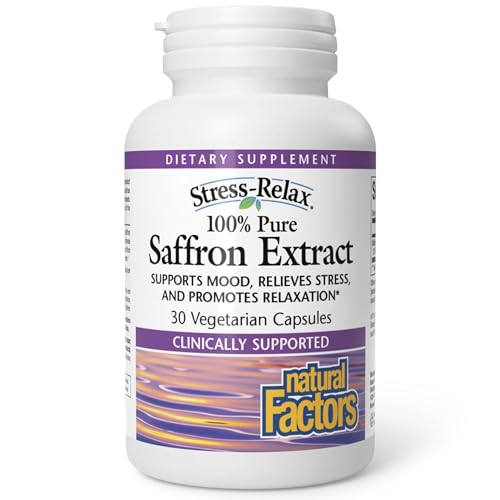
Natural Factors 100% Pure Saffron Extract - Supports Restful Sleep & Calm Outlook - Natural Herbal Supplement for Relaxation Support - 30 Vegetarian Capsules (30 Servings)
Whether you're navigating the ebbs and flows of every day or simply yearning for a moment of tranquility, this supplement is <strong>tailored to support relaxation</strong>. Saffron, long celebra

NOW Foods Supplements, Bacopa Extract (Bacopa monnieri) 450 mg, Promotes Brain Health*, 90 Veg Capsules
Himalaya Organic Bacopa Monnieri ... Organic, Non-GMO, 750 mg, 60 Plant-Based Caplets, 60 Day Supply ... Nutricost Bacopa Monnieri 1,000mg, 120 Capsules (60 Servings) - Non-GMO, Gluten Free, and Veget
Evidence & Sources
Promising research with growing clinical support from multiple studies
- American Psychiatric Association, DSM-5-TR
- National Institute of Mental Health (NIMH)
- Centers for Disease Control and Prevention (CDC)
- National Institute for Health and Care Excellence (NICE) Guideline on ADHD
- World Health Organization (WHO), ICD-11
- Cortese et al., The Lancet Psychiatry
- Faraone et al., Nature Reviews Disease Primers
- NCCIH (National Center for Complementary and Integrative Health)
This content is for informational purposes only and does not constitute medical advice. Always consult a qualified healthcare provider before starting, stopping, or changing any supplement or medication regimen.