

Atherosclerosis
Also known as: Hardening of the Arteries, Arterial Plaque Disease
Overview
Atherosclerosis is a chronic condition in which fatty deposits, cholesterol, inflammatory cells, calcium, and connective tissue accumulate within the walls of arteries, forming what are commonly called plaques. Over time, these plaques can narrow or stiffen the arteries, reducing blood flow to vital organs and tissues. When plaque becomes unstable and ruptures, it can trigger the formation of a blood clot, which may suddenly block circulation and lead to a heart attack, stroke, or peripheral arterial disease. Although it is often discussed as a “cholesterol problem,” atherosclerosis is more accurately understood as a complex vascular process involving lipid metabolism, inflammation, endothelial injury, oxidative stress, and immune activity.
Atherosclerosis is one of the leading contributors to cardiovascular disease worldwide, making it a major public health concern. It can affect the coronary arteries that supply the heart, the carotid arteries that supply the brain, the aorta, and the peripheral arteries in the legs and other regions. The condition often develops gradually over decades and may remain silent until significant narrowing or a cardiovascular event occurs. Commonly associated risk factors include elevated LDL cholesterol, diabetes, high blood pressure, smoking, obesity, chronic kidney disease, sedentary lifestyle, and family history. Age is also a major factor, but the disease process can begin much earlier in life than symptoms appear.
In integrative health discussions, atherosclerosis is often explored through the lenses of cholesterol balance, dietary patterns, inflammation regulation, metabolic health, vascular function, and lifestyle medicine. Research increasingly supports the idea that the condition is not caused by a single factor alone, but by the interaction of many biological and behavioral influences. This has led to broad interest in prevention-oriented approaches that include conventional cardiovascular risk assessment alongside nutrition, exercise, stress management, and other supportive strategies.
From a whole-person perspective, atherosclerosis is significant because it reflects both local changes in the arteries and systemic patterns of health. Conventional medicine focuses heavily on risk reduction, imaging, laboratory markers, and event prevention. Traditional and integrative systems often interpret the condition in relation to circulation, digestion, metabolic imbalance, inflammation, and aging. Both perspectives emphasize that cardiovascular health is shaped over time and that ongoing partnership with qualified healthcare professionals is important, especially because atherosclerosis may progress without obvious warning signs.
Medical Perspectives
Two Ways of Seeing Health

Western
scientific · clinical
Western medicine applies science, technology, and clinical experience to treat symptoms through testing, diagnosis, and targeted intervention.

Eastern
traditional · alternative
Eastern medicine focuses on treating the body naturally by applying traditional knowledge practiced for thousands of years, emphasizing balance and whole-person wellness.
Gold Bamboo presents both perspectives side-by-side so you can make informed decisions. We don't advocate for one over the other — your health choices are yours.
Western Medicine Perspective
Western Medicine Perspective
In conventional medicine, atherosclerosis is understood as a progressive inflammatory disease of the arterial wall. The process often begins with dysfunction of the endothelium, the inner lining of blood vessels. LDL particles can enter the vessel wall, undergo oxidation or other modification, and trigger immune responses. Macrophages ingest these lipids and become foam cells, contributing to fatty streaks and later mature plaque formation. As plaques enlarge, they can narrow the arterial lumen or become unstable. Plaque rupture or erosion may activate platelets and coagulation pathways, producing a thrombus that abruptly obstructs blood flow.
Clinical evaluation typically focuses on both risk factors and evidence of vascular disease. Conventional assessment may include lipid measurements, blood pressure monitoring, diabetes screening, inflammatory and metabolic markers in selected settings, and imaging or functional testing when indicated. Coronary artery calcium scoring, carotid ultrasound, CT angiography, and stress testing are among the tools used in specific clinical contexts. Symptoms depend on which arteries are affected and may include chest pain, shortness of breath, transient neurologic symptoms, leg pain with walking, or no symptoms at all until an acute event occurs.
Management in Western medicine centers on risk reduction and prevention of complications. Large bodies of research support the role of lowering LDL cholesterol, addressing hypertension, improving glycemic control, reducing tobacco exposure, and supporting healthy dietary and activity patterns. Antiplatelet therapy, lipid-lowering medications, blood pressure treatment, and revascularization procedures are used in selected patients depending on disease severity, symptoms, and cardiovascular risk. Research also suggests that broader dietary patterns such as Mediterranean-style eating, regular physical activity, weight management, sleep health, and psychosocial stress reduction are relevant components of cardiovascular prevention. Because atherosclerosis is a major cause of heart attack and stroke, conventional care generally emphasizes ongoing monitoring and individualized risk assessment with a licensed medical professional.
Eastern & Traditional Perspective
Eastern / Traditional Medicine Perspective
Traditional medical systems do not describe atherosclerosis in the same anatomical and biochemical terms used in modern cardiology, but many have long-standing frameworks for understanding impaired circulation, vessel obstruction, heaviness, metabolic excess, and age-related vascular decline. In Traditional Chinese Medicine (TCM), presentations associated with atherosclerotic disease may be interpreted through patterns such as blood stasis, phlegm-damp accumulation, heat, qi deficiency, or liver and kidney imbalance, depending on the person’s overall constitution and symptoms. From this perspective, poor circulation is not viewed in isolation; it is often linked with digestion, emotional strain, constitutional weakness, and systemic patterns that develop over time.
TCM approaches have traditionally included dietary therapy, movement practices, acupuncture, and botanical formulas aimed at supporting circulation, transforming phlegm, and harmonizing underlying imbalances. In Ayurveda, comparable concerns may be discussed in relation to disturbances in meda dhatu (fat metabolism), impaired agni (digestive/metabolic fire), accumulation of ama (metabolic residue), and obstruction of channels or srotas. Classical interpretations often connect cardiovascular and metabolic disorders with broader disturbances in digestion, tissue nourishment, and lifestyle rhythm. Naturopathic and other traditional systems similarly emphasize the cumulative influence of diet quality, stress load, inflammation, and metabolic resilience.
From an evidence standpoint, some traditional practices used in cardiovascular support—such as certain dietary patterns, mind-body practices, and selected botanicals—are being studied for effects on lipids, inflammation, endothelial function, blood pressure, and vascular health. However, the evidence is mixed and highly variable by intervention. While historical systems offer meaningful frameworks for understanding systemic imbalance, they are generally considered complementary rather than replacements for cardiovascular evaluation, especially in a condition that can progress silently and cause life-threatening events. Integrative care discussions typically emphasize coordination with qualified healthcare providers, particularly when combining conventional treatment with herbs, supplements, or traditional therapies.
Supplements & Products
Recommended Products

Undo It!: How Simple Lifestyle Changes Can Reverse Most Chronic Diseases: Ornish M.D., Dean, Ornish, Anne
Anne and Dean Ornish, MD present <strong>a simple yet powerful new unifying theory explaining why and how simple lifestyle changes can reverse many chronic diseases and how quickly these benefits occu
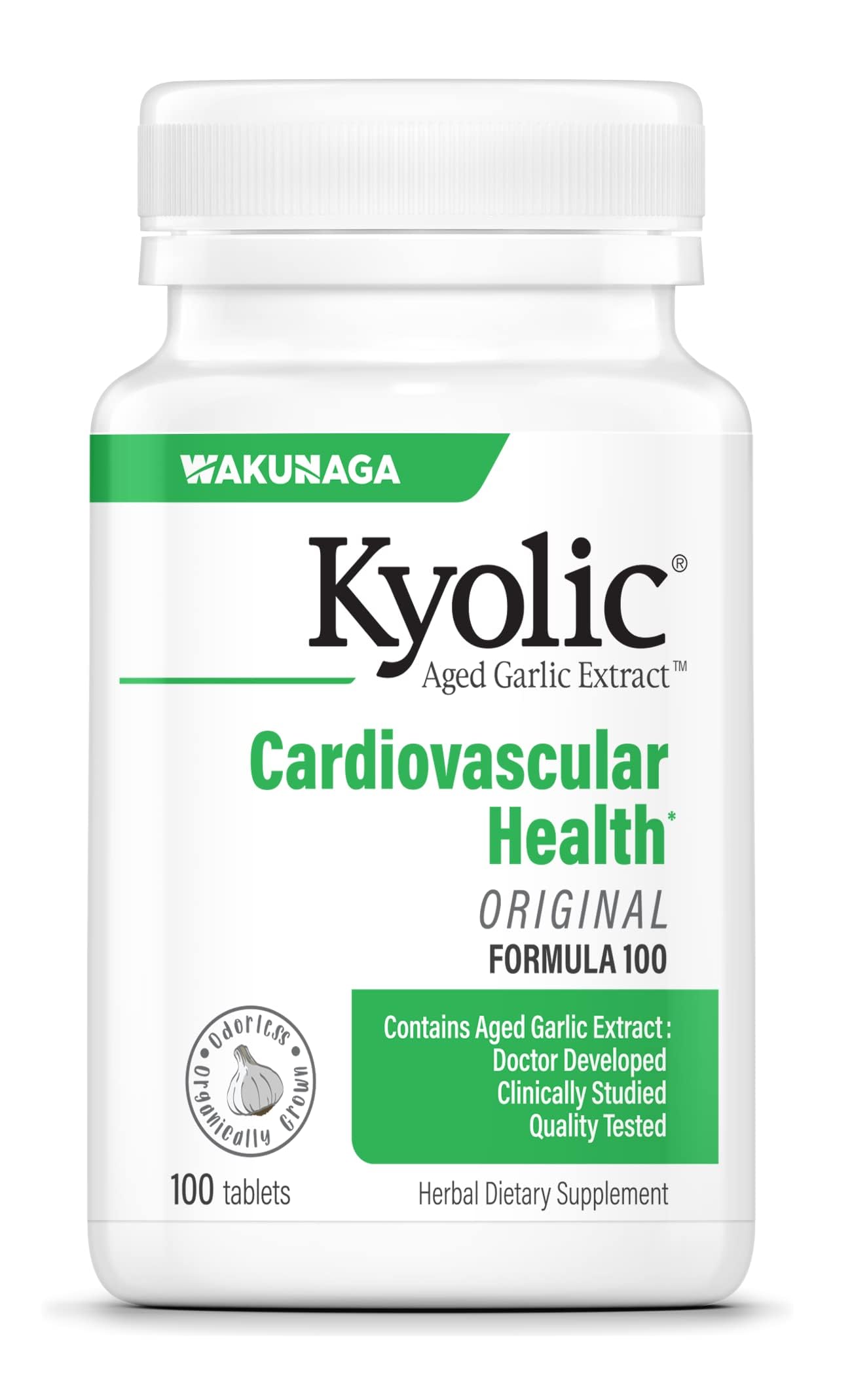
Kyolic Aged Garlic Extract Formula 100, Cardiovascular Health*, 300 Capsules.
CARDIOVASCULAR HEALTH: By helping to maintain circulatory function, this formula <strong>supports and strengthens your cardiovascular system and promotes overall heart health</strong>.* Made with orga

Nature Made CholestOFF Plus Plant Sterols and Stanols 210 Softgels
This statement has not been evaluated by the Food and Drug Administration; This product is not intended to diagnose, treat, cure or prevent any disease 900 mg. Plant Sterols And Stanols per Serving Gl
Evidence & Sources
Supported by multiple clinical trials and systematic reviews
- American Heart Association
- National Heart, Lung, and Blood Institute (NHLBI)
- World Health Organization
- European Society of Cardiology
- New England Journal of Medicine
- The Lancet
- Circulation
- Journal of the American College of Cardiology
- Nature Reviews Cardiology
- National Center for Complementary and Integrative Health (NCCIH)
This content is for informational purposes only and does not constitute medical advice. Always consult a qualified healthcare provider before starting, stopping, or changing any supplement or medication regimen.