

Anxiety & Stress
Anxiety & Stress Overview
Anxiety and stress are closely related but not identical concepts. Stress generally refers to the body’s physical and psychological response to internal or external demands, while anxiety often describes a state of persistent worry, fear, or apprehension that may occur with or without a clear trigger. In everyday life, both can be normal adaptive responses. However, when symptoms become frequent, intense, or disruptive to sleep, relationships, concentration, work, or physical health, they may be associated with a clinically significant condition.
Anxiety-related conditions are among the most common mental health concerns worldwide. Public health data from organizations such as the World Health Organization (WHO) and the National Institute of Mental Health (NIMH) indicate that anxiety disorders affect a substantial portion of the population across age groups. Stress-related symptom burden is also widespread, shaped by work demands, caregiving, financial strain, trauma exposure, chronic illness, social isolation, and major life transitions. Although stress is not itself always classified as a disorder, chronic stress is linked with increased risk of sleep disturbance, depression, cardiovascular strain, digestive symptoms, headaches, muscle tension, and changes in immune function.
The experience of anxiety and stress can involve emotional, cognitive, behavioral, and physical symptoms. Common features include excessive worry, restlessness, irritability, racing thoughts, trouble concentrating, fatigue, muscle tension, rapid heartbeat, sweating, gastrointestinal discomfort, and difficulty sleeping. In some cases, anxiety may appear as panic attacks, social fear, phobias, trauma-related hyperarousal, or persistent generalized worry. Symptoms can overlap with other medical or psychiatric conditions, which is one reason careful evaluation by a qualified healthcare professional is important.
From a broad health perspective, anxiety and stress are increasingly understood as whole-person phenomena involving the nervous system, endocrine signaling, inflammation, sleep regulation, past experiences, coping patterns, social context, and overall resilience. Conventional medicine often emphasizes diagnosis, risk assessment, psychotherapy, lifestyle factors, and when appropriate, medication. Traditional and integrative systems may frame anxiety and stress in terms of imbalance, dysregulation of vital energy, mind-body disharmony, or depletion from prolonged strain. Across systems, there is broad agreement that these concerns are multifactorial and deserve individualized, context-aware care.
Western Medicine Perspective
Western / Conventional Medicine Perspective
In conventional medicine, anxiety may be understood as both a symptom and a group of diagnosable conditions, including generalized anxiety disorder, panic disorder, social anxiety disorder, specific phobias, and anxiety associated with trauma-related disorders or medical illness. Stress is typically viewed through psychophysiological models involving activation of the autonomic nervous system and the hypothalamic-pituitary-adrenal (HPA) axis, which influence cortisol release, heart rate, blood pressure, sleep, and inflammatory signaling. Acute stress can be adaptive, but chronic activation is associated with wear-and-tear on multiple body systems.
Assessment generally considers symptom pattern, duration, severity, functional impact, life stressors, substance use, sleep, trauma history, and possible medical contributors such as thyroid dysfunction, arrhythmias, medication side effects, perimenopausal changes, or stimulant use. Research-supported approaches commonly include psychotherapy, especially cognitive behavioral therapy and related modalities, stress-management interventions, sleep-focused care, mindfulness-based programs, and in some cases medication such as SSRIs, SNRIs, or other agents used in psychiatric practice. Conventional clinicians also evaluate for urgent concerns, including severe panic symptoms, suicidality, self-harm risk, and major impairment.
A growing body of research supports the role of behavioral and lifestyle factors in symptom modulation. Studies indicate that sleep quality, physical activity, social support, trauma-informed care, reduced substance misuse, and structured relaxation practices can influence anxiety severity and stress resilience. Western medicine increasingly recognizes that effective care often combines psychological, biological, and social dimensions rather than relying on a single explanatory model.
Because symptoms of anxiety and stress can mimic or coexist with other conditions, conventional care places importance on appropriate screening and individualized evaluation. Consultation with licensed healthcare professionals is especially important when symptoms are persistent, worsening, or accompanied by chest pain, fainting, substance dependence, severe insomnia, or major changes in mood or functioning.
Eastern & Traditional Perspective
Eastern / Traditional Medicine Perspective
In Traditional Chinese Medicine (TCM), anxiety and stress are often interpreted through patterns of imbalance rather than a single disease category. Traditional frameworks may relate symptoms to disturbances of the Shen (spirit or mind), disharmony involving the Heart, Liver, Spleen, or Kidney systems, and impaired movement of Qi. For example, stress-related irritability and tension may be associated with Liver Qi stagnation, while palpitations, insomnia, and restlessness may be viewed through Heart or Heart-Kidney imbalance patterns. TCM approaches have traditionally included acupuncture, herbal formulas, breathing and movement practices such as qigong or tai chi, and individualized dietary guidance.
In Ayurveda, anxiety and stress are commonly associated with aggravation of Vata dosha, especially when symptoms include worry, fear, insomnia, mental overactivity, variable digestion, or nervous system sensitivity. Traditional Ayurvedic interpretation may also consider depletion of resilience, disruption of daily rhythms, and imbalance in mind-body coordination. Historically used approaches include meditation, yoga, breath regulation, oiling practices, dietary patterning, and herbs regarded as calming or stabilizing. These frameworks emphasize restoring steadiness, routine, and harmony rather than addressing symptoms in isolation.
In naturopathic and broader integrative traditions, anxiety and stress are often approached as manifestations of dysregulation involving sleep, blood sugar variability, inflammation, adrenal stress responses, trauma burden, nutrient status, and mind-body disconnection. Interventions commonly discussed in these systems include mindfulness practices, somatic regulation techniques, exercise, botanicals traditionally used for relaxation, and therapies aimed at supporting overall resilience. Research on some of these modalities is promising but uneven, and product quality, safety, interactions, and individual response can vary substantially.
Traditional systems often place strong emphasis on pattern recognition, prevention, and individualized constitution. At the same time, most responsible integrative frameworks acknowledge the importance of collaboration with conventional mental health and medical care, particularly for severe anxiety, panic attacks, trauma-related symptoms, depression, medication questions, or symptoms that may reflect an underlying medical condition.
Supplements & Products
Recommended Products
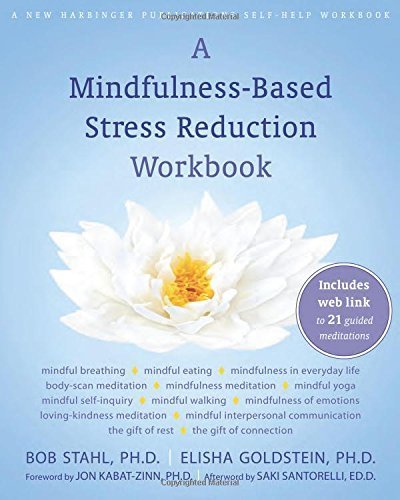
A Mindfulness-Based Stress Reduction Workbook: Bob Stahl, Elisha Goldstein, Saki Santorelli, Jon Kabat-Zinn
The method that ends our madness.” ―Stephen Levine, author of Who Dies?, A Year to Live, and Unattended Sorrow “For anyone drawn to a path of mindfulness, this workbook will provide a clear and access
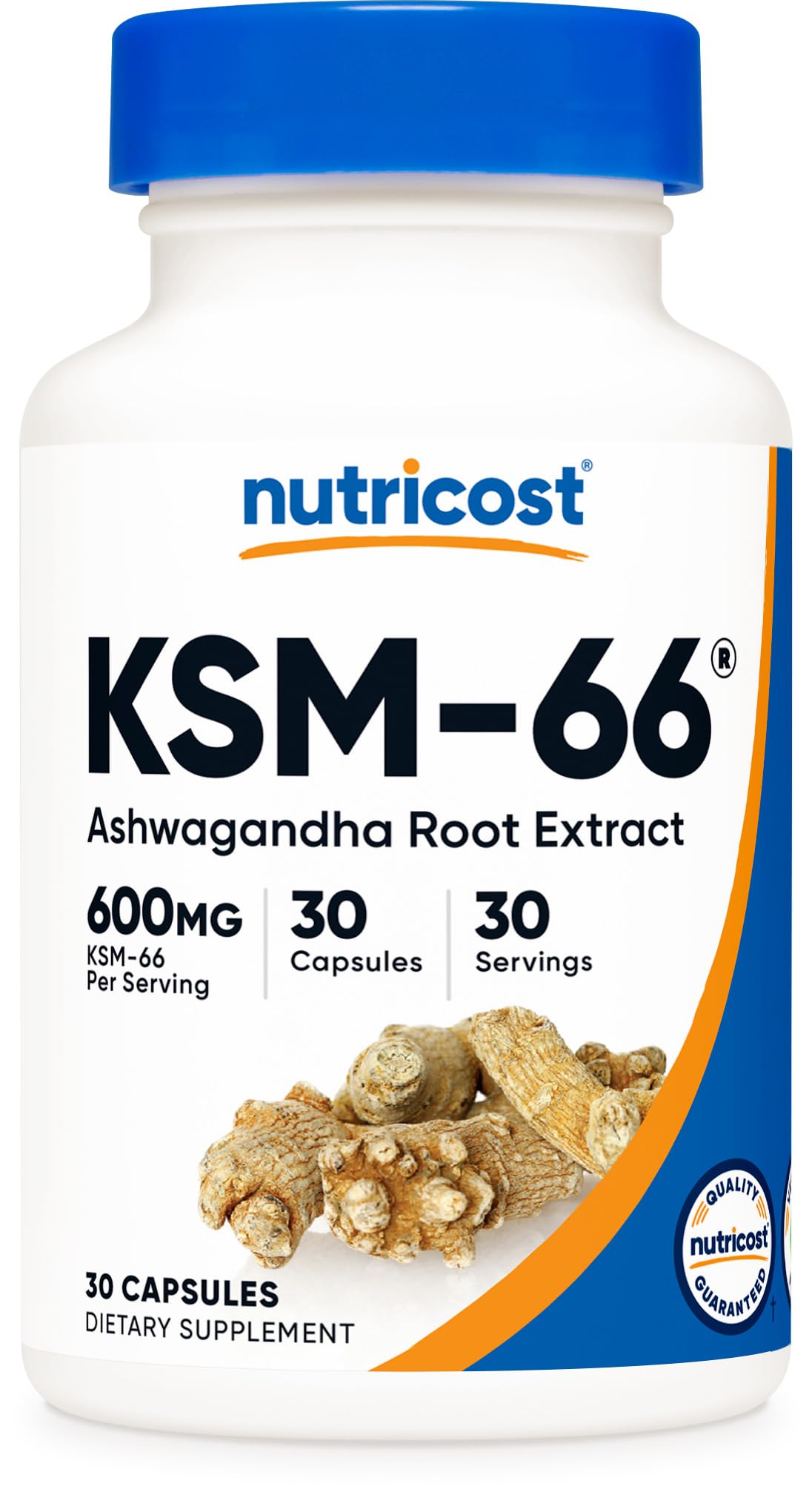
Nutricost KSM-66 Ashwagandha Root Extract 600mg, 60 Veggie Caps - 5% Withanolides - with BioPerine - Full-Spectrum Root Extract
Nutricost Ashwagandha Herbal Supplement 600mg, 120 Capsules - Vegetarian, Non-GMO, Gluten Free, Ashwagandha Root ... THORNE - Ashwagandha - Highly Concentrated Shoden - Calming Stress Support for Wome

NOW FOODS Rhodiola 500MG 3PCT Extract60 VCAP, 60 CT
3% STANDARDIZED EXTRACT: NOW Rhodiola is <strong>standardized to 3% total rosavins and 1% salidroside</strong>
Evidence & Sources
Supported by multiple clinical trials and systematic reviews
- World Health Organization (WHO)
- National Institute of Mental Health (NIMH)
- National Center for Complementary and Integrative Health (NCCIH)
- American Psychiatric Association: Diagnostic and Statistical Manual of Mental Disorders (DSM-5-TR)
- The Lancet Psychiatry
- JAMA Psychiatry
- New England Journal of Medicine
- Cochrane Database of Systematic Reviews
- Depression and Anxiety
- Frontiers in Psychiatry
This content is for informational purposes only and does not constitute medical advice. Always consult a qualified healthcare provider before starting, stopping, or changing any supplement or medication regimen.