

Alopecia Areata (Hair Loss)
Also known as: Alternatives for Alopecia (Hair Loss)
Alopecia Areata: Overview
Alopecia areata is an autoimmune form of hair loss in which the immune system mistakenly targets hair follicles, often leading to round or oval patches of non-scarring hair loss on the scalp, beard area, eyebrows, eyelashes, or other parts of the body. It can occur at any age, including in children, and its course is often unpredictable. Some people experience a single limited episode with regrowth, while others develop recurrent episodes or more extensive patterns such as alopecia totalis (loss of scalp hair) or alopecia universalis (loss of most or all body hair).
The condition is medically significant not only because of visible hair loss, but also because of its psychological and social impact. Studies indicate that alopecia areata can be associated with anxiety, depression, impaired quality of life, and social distress. It is also linked with a higher frequency of other immune-mediated conditions in some individuals, including thyroid disease, atopy, vitiligo, and other autoimmune disorders. Although the hair follicle is not permanently destroyed in most cases, the inflammatory process can interrupt normal hair cycling and regrowth.
From a biological standpoint, alopecia areata is understood as a disorder involving genetic predisposition, immune dysregulation, and environmental triggers. Research suggests that collapse of the hair follicle’s normal “immune privilege” may allow autoreactive immune cells—particularly T cells and cytokine signaling pathways such as JAK-STAT–related mechanisms—to target growing hairs. This has shaped both diagnostic understanding and the development of newer therapies.
Alopecia areata is distinct from other forms of hair loss such as androgenetic alopecia, telogen effluvium, traction alopecia, or scarring alopecias. Because multiple hair-loss conditions can look similar in early stages, accurate evaluation by a qualified healthcare professional is important. Conventional and traditional systems alike tend to view alopecia areata as a multifactorial condition requiring individualized assessment, especially when symptoms are sudden, extensive, or associated with nail changes, skin findings, or signs of systemic illness.
Western Medicine Perspective
Western / Conventional Medicine Perspective
In conventional medicine, alopecia areata is primarily classified as an autoimmune dermatologic disorder. Diagnosis is usually clinical, based on the characteristic pattern of smooth, patchy, non-scarring hair loss, sometimes supported by dermoscopy/trichoscopy or, less commonly, scalp biopsy when the diagnosis is uncertain. Western clinicians may also consider screening for associated conditions based on history and symptoms, particularly autoimmune thyroid disease or other relevant comorbidities. Nail findings such as pitting, ridging, or roughness can occur and may correlate with disease severity in some cases.
Management in dermatology is generally based on extent of hair loss, duration, age, and disease progression. Common conventional approaches include topical, intralesional, or systemic immunomodulatory therapies intended to reduce autoimmune activity and support regrowth. In recent years, Janus kinase (JAK) inhibitors have become an important area of therapeutic development, with clinical trials showing meaningful regrowth in some patients with more extensive disease. At the same time, relapse can occur, and long-term management remains an active area of research. Psychological support is also recognized as an important part of care because appearance-related distress can be substantial.
The evidence base in western medicine is strongest for the autoimmune model and for selected dermatologic therapies, but outcomes remain variable. Spontaneous regrowth is possible, especially in limited disease, while chronic or severe cases may be more resistant. For that reason, conventional medicine typically frames alopecia areata as a condition that often requires ongoing monitoring, individualized treatment planning, and attention to mental health and quality of life rather than a one-size-fits-all solution.
Eastern & Traditional Perspective
Eastern / Traditional Medicine Perspective
In Traditional Chinese Medicine (TCM), patchy hair loss is often interpreted through patterns involving the Liver and Kidney systems, insufficiency of blood, or disruption from wind, heat, or emotional strain. Hair is traditionally viewed as being nourished by blood and rooted in kidney essence; therefore, sudden shedding or patchy loss may be understood as reflecting an internal imbalance rather than only a local scalp problem. TCM assessment typically considers the whole pattern of symptoms, including sleep, stress, digestion, circulation, and constitutional strength.
Traditional East Asian and integrative practitioners have historically used approaches such as herbal formulas, acupuncture, scalp-focused techniques, and dietary pattern support to address these imbalances. Research on these methods is growing, but overall quality is mixed, with many studies limited by small sample size, variable design, and inconsistent outcome measures. Some early studies suggest acupuncture or multi-herb protocols may be associated with improvement in select patients, but the evidence is not yet strong enough to make broad conclusions by modern standards.
In Ayurveda, hair loss may be associated with disturbances in Pitta, tissue nourishment, stress, digestion, or systemic imbalance affecting the scalp and follicles. Traditional Ayurvedic frameworks may also consider blood quality, heat, and depletion states, with therapies historically aimed at restoring systemic balance through herbs, oils, stress regulation, and digestive support. In naturopathic and integrative medicine, alopecia areata is often viewed through interacting lenses of immune regulation, stress physiology, nutritional status, and inflammatory burden.
Across these traditions, alopecia areata is generally approached as a whole-person condition involving both physical and emotional dimensions. While these systems offer long-standing frameworks and individualized care models, it is important to note that evidence quality varies, product quality can differ, and herb-drug interactions are possible. Collaboration with qualified healthcare professionals is especially important when hair loss is rapid, extensive, or accompanied by other autoimmune or systemic symptoms.
Supplements & Products
Recommended Products
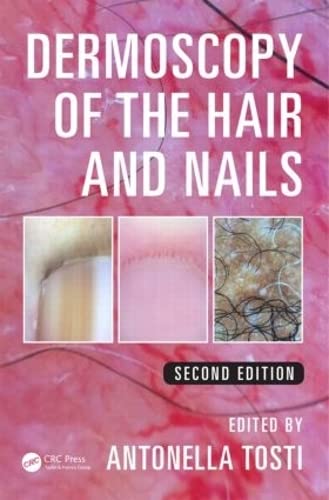
Dermoscopy of the Hair and Nails
Antonella Tosti, MD, is a <strong>professor of clinical dermatology at the University of Miami Health System</strong>. She is a worldwide recognized expert in hair and nail disorders and has been invi

iRestore Essential - Laser Red Light Therapy for Hair Growth - FDA Cleared Hair Loss, Hair Thinning & Alopecia Treatment for Men & Women - Laser Cap for Hair Regrowth Stimulate Denser Fuller Hair
Developed in GMP-certified facilities, this home-use laser hair growth cap is <strong>durable, lightweight, comfortable, hands-free and easy to use</strong>. This is unlike a laser comb and brush that
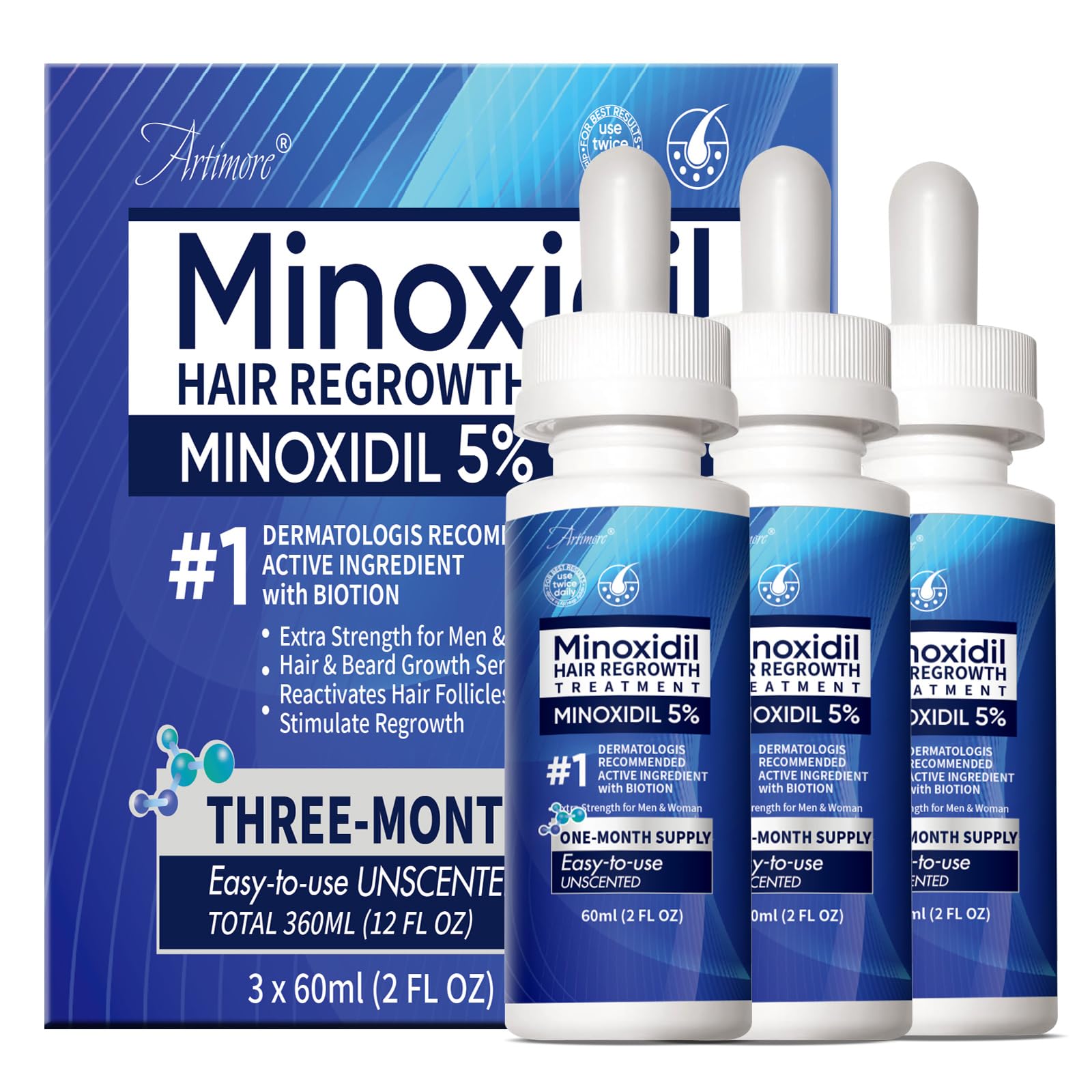
Men’s Rogaine 5% Minoxidil for Men Foam, Clinically Proven Regrowth for Thinning Hair, Topical Hair Loss Treatment, Unscented Topical Aerosol, Results in 8–16 Weeks, 3-Month Supply, 3 x 2.11 oz
Men’s Rogaine minoxidil for men foam is <strong>a clinically proven topical aerosol hair regrowth treatment featuring a 5% minoxidil formula to reactivate hair follicles and help regrow fuller, thicke
Evidence & Sources
Promising research with growing clinical support from multiple studies
- National Alopecia Areata Foundation
- National Institute of Arthritis and Musculoskeletal and Skin Diseases (NIAMS)
- American Academy of Dermatology
- Nature Reviews Disease Primers
- Journal of the American Academy of Dermatology
- JAMA Dermatology
- The Lancet
- NCCIH
This content is for informational purposes only and does not constitute medical advice. Always consult a qualified healthcare provider before starting, stopping, or changing any supplement or medication regimen.