

Alopecia Areata
Overview
Alopecia areata is an autoimmune hair-loss condition in which the immune system mistakenly targets hair follicles, leading to non-scarring hair loss. It most often appears as smooth, round or oval patches on the scalp, but it can also affect the beard area, eyebrows, eyelashes, and body hair. In some people, hair loss remains limited and regrowth occurs spontaneously; in others, it can progress to more extensive forms such as alopecia totalis (loss of scalp hair) or alopecia universalis (loss of nearly all body hair). Because the follicle is usually not permanently destroyed, regrowth remains biologically possible, although the course can be unpredictable.
Alopecia areata affects people of all ages, sexes, and ethnic backgrounds. Research suggests it is relatively common, with a lifetime risk often cited around 2% globally. The condition is associated with genetic susceptibility, immune dysregulation, and sometimes a personal or family history of other autoimmune diseases such as thyroid disease, vitiligo, atopic conditions, or type 1 diabetes. Psychological stress is often discussed by patients and in traditional systems of medicine, but current conventional understanding does not view stress alone as the root cause; rather, it may act as one of several modifying factors in susceptible individuals.
Key features can include sharply defined bald patches, “exclamation point hairs” at lesion margins, nail pitting or ridging in some cases, and periods of remission and relapse. Although alopecia areata is not typically physically dangerous, its impact can be substantial. Studies indicate that visible hair loss may affect self-image, mood, social functioning, and quality of life, particularly when onset is sudden or involves the face. For this reason, many clinical discussions frame alopecia areata not only as a dermatologic disorder, but also as a condition with significant psychosocial dimensions.
From a broader health perspective, alopecia areata sits at the intersection of immunology, dermatology, and integrative care. Conventional medicine focuses on diagnosis, exclusion of mimicking disorders, and therapies intended to reduce immune attack or stimulate regrowth. Traditional and integrative systems often interpret the condition through patterns involving constitutional imbalance, stress reactivity, blood or nutrient insufficiency, and scalp circulation. A balanced review of alopecia areata benefits from considering both the biological mechanisms identified in modern research and the whole-person frameworks long used in traditional practice.
Compare Treatment Options
Alopecia is a broad term for hair loss, not a single diagnosis. It can include androgenetic alopecia (male or female pattern hair loss), alopecia areata (an autoimmune form that often causes round patches), traction-related hair loss, telogen effluvium after stress or illness, and other less common causes. Some forms are non-scarring, meaning follicles may still be capable of producing hair, while others are scarring, where inflammation damages the follicle more permanently. That distinction is one reason treatment options vary so much. A thoughtful treatment brief for alopecia starts with identifying the likely subtype, speed of shedding, scalp symptoms, family history, and whether hair loss is patchy, diffuse, or patterned. Western medicine often focuses on diagnosis, inflammatory control, and regrowth strategies such as minoxidil, corticosteroids, or newer immune-targeting therapies in selected cases. Eastern approaches such as acupuncture and traditional herbal medicine are often used to support stress regulation, circulation, and whole-body pattern assessment. Research quality differs across options, so a balanced plan usually depends on the cause of hair loss, how quickly it is progressing, how much risk a person is comfortable with, and how urgent cosmetic improvement feels.
View treatment comparison (7 options)Medical Perspectives
Two Ways of Seeing Health

Western
scientific · clinical
Western medicine applies science, technology, and clinical experience to treat symptoms through testing, diagnosis, and targeted intervention.

Eastern
traditional · alternative
Eastern medicine focuses on treating the body naturally by applying traditional knowledge practiced for thousands of years, emphasizing balance and whole-person wellness.
Gold Bamboo presents both perspectives side-by-side so you can make informed decisions. We don't advocate for one over the other — your health choices are yours.
Western Medicine Perspective
Western / Conventional Medicine Perspective
In conventional medicine, alopecia areata is understood primarily as an autoimmune disorder of the hair follicle. Research has identified inflammatory pathways involving T cells, cytokine signaling, and loss of the hair follicle’s normal “immune privilege.” Genetic studies also support a hereditary component, and the condition is more common in people with other autoimmune or atopic disorders. Diagnosis is usually clinical, based on the pattern of hair loss and scalp examination, though dermoscopy, laboratory testing, or biopsy may be used when the diagnosis is uncertain or when other causes of hair loss are being considered.
Common differential diagnoses include tinea capitis, traction alopecia, trichotillomania, telogen effluvium, androgenetic alopecia, and scarring alopecias. Conventional evaluation may also consider comorbidities such as thyroid disease, iron deficiency in select contexts, atopy, and autoimmune conditions, depending on the individual presentation. The goal of medical assessment is not only to identify alopecia areata, but also to understand extent, activity, prognosis, and associated health concerns.
Treatment approaches in dermatology are typically aimed at suppressing immune-mediated inflammation or encouraging hair regrowth. Commonly discussed options include intralesional corticosteroids for limited patchy disease, topical corticosteroids, topical immunotherapy, and other immunomodulating agents. In recent years, Janus kinase (JAK) inhibitors have emerged as an important development, with studies indicating benefit in some patients with more extensive disease. However, response varies, relapse may occur, and long-term safety monitoring is an important part of conventional care discussions. Supportive measures may also include camouflage strategies, eyebrow or eyelash support, and mental health support when hair loss is emotionally distressing.
From an evidence standpoint, conventional medicine has a growing but still evolving understanding of alopecia areata. The autoimmune model is strongly supported, and newer targeted therapies have expanded options. At the same time, the condition remains unpredictable, with spontaneous regrowth possible in some individuals and chronic relapsing disease in others. This variability is one reason clinicians often emphasize individualized evaluation and ongoing follow-up with a dermatologist or other qualified healthcare professional.
Eastern & Traditional Perspective
Eastern / Traditional Medicine Perspective
In Traditional Chinese Medicine (TCM), alopecia areata is often interpreted not as a single disease entity but as a pattern of imbalance. Traditional texts and contemporary TCM practitioners may relate patchy hair loss to patterns such as Liver and Kidney deficiency, Blood deficiency, or Blood stasis obstructing the channels. Emotional strain is also commonly discussed, particularly when it is thought to impair the smooth flow of qi and blood to the scalp. Within this framework, hair is traditionally viewed as being nourished by blood and connected to constitutional vitality, so sudden shedding or patchy loss may be seen as a signal of deeper systemic imbalance rather than an isolated scalp issue.
TCM approaches have traditionally included acupuncture, scalp acupuncture, and multi-herb formulations selected according to the individual pattern diagnosis. Some traditional strategies aim to “nourish Blood,” “tonify Liver and Kidney,” “move stagnation,” or “activate circulation” to the scalp. Modern clinical research on TCM for alopecia areata exists, but overall quality is mixed, with variability in trial design, formula composition, blinding, and outcome measures. As a result, while traditional use is longstanding and some studies suggest possible benefit, the evidence base remains less standardized than that for mainstream dermatologic therapies.
In Ayurveda, hair loss conditions may be interpreted through disturbances involving Pitta, Vata, and tissue nourishment, especially where heat, stress, digestion, and constitutional imbalance are believed to play a role. Traditional Ayurvedic descriptions may connect hair health to broader factors such as metabolic balance, stress, sleep, and the quality of nourishment reaching body tissues. Approaches historically described in Ayurvedic practice can include herbal preparations, scalp oils, dietary balancing principles, and mind-body regulation, although high-quality evidence specific to alopecia areata remains limited.
In naturopathic and integrative medicine, alopecia areata is often viewed through a whole-person lens that considers immune function, stress physiology, nutrition, gut-immune interactions, and inflammation. Some practitioners discuss botanical medicine, micronutrient status, and lifestyle factors as supportive considerations. However, the strength of evidence varies substantially across interventions, and not all theories have been confirmed in rigorous trials. For that reason, integrative discussions generally benefit from careful coordination with conventional dermatologic evaluation, especially because alopecia areata can overlap with other medical conditions and may carry a significant emotional burden.
Supplements & Products
Recommended Products
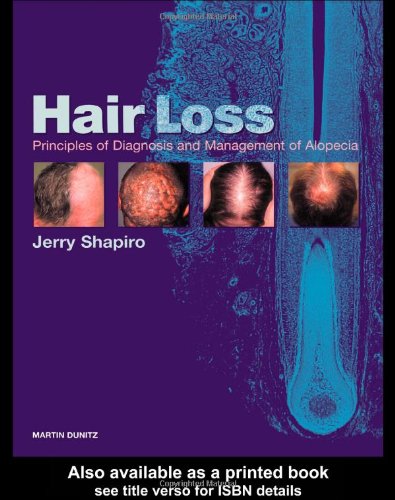
Hair Loss: Principles of Diagnosis and Management of Alopecia
A rational, organized approach to management is crucial as therapy can vary widely among the different kinds of alopecia. The text addresses all aspects of the condition and is ideal for any professio
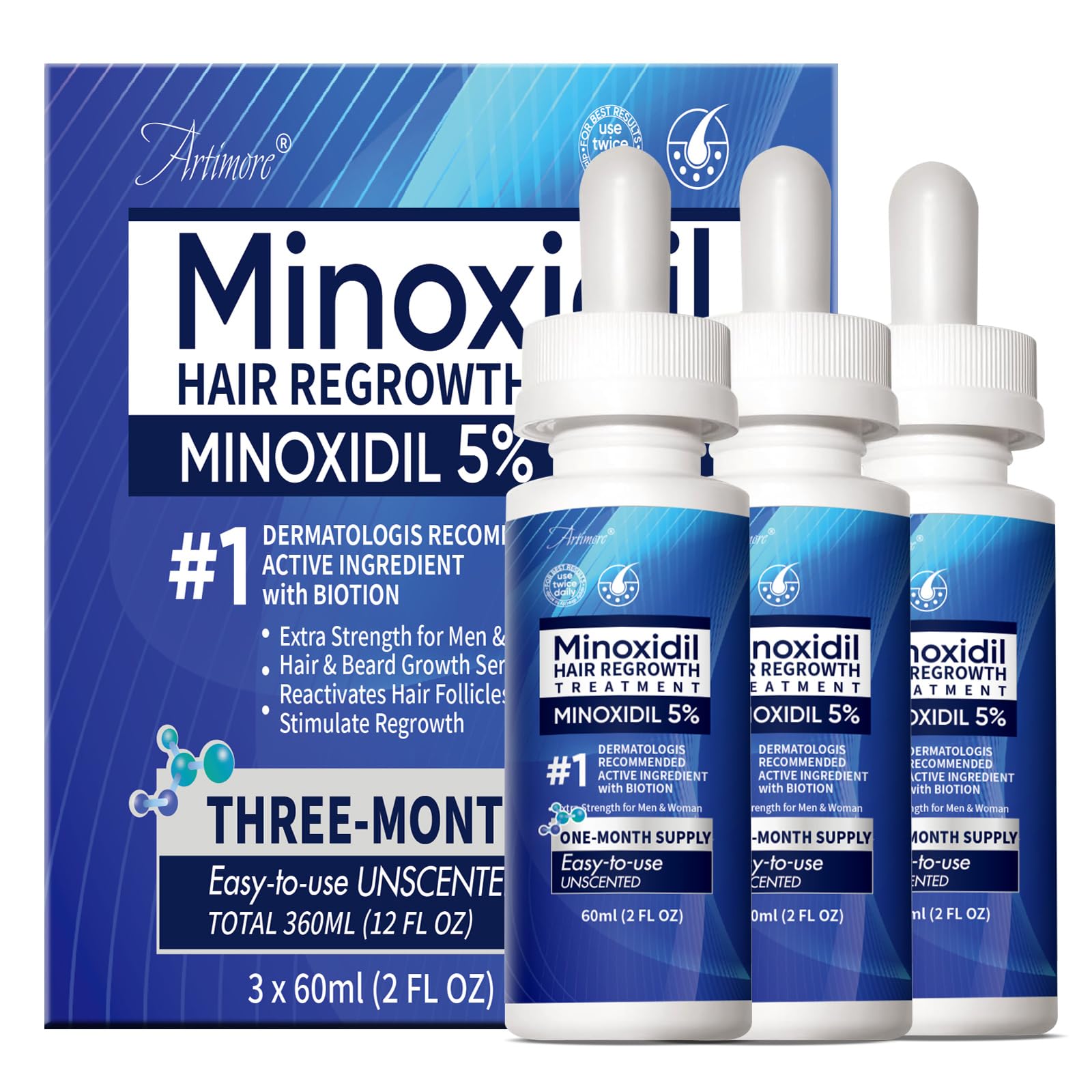
Men’s Rogaine 5% Minoxidil for Men Foam, Clinically Proven Regrowth for Thinning Hair, Topical Hair Loss Treatment, Unscented Topical Aerosol, Results in 8–16 Weeks, 3-Month Supply, 3 x 2.11 oz
Men’s Rogaine minoxidil for men foam is <strong>a clinically proven topical aerosol hair regrowth treatment featuring a 5% minoxidil formula to reactivate hair follicles and help regrow fuller, thicke
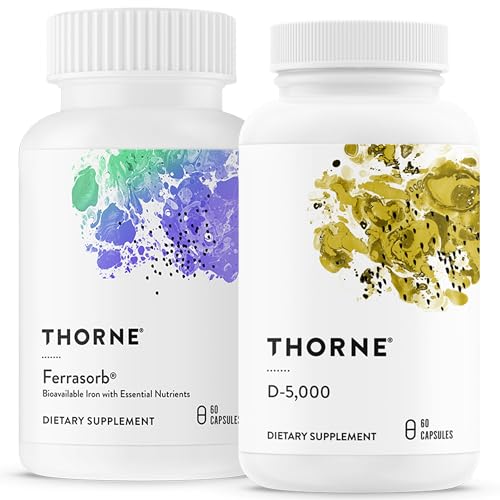
THORNE - Vitamin D-5000 - Vitamin D3 Supplement - Support Healthy Bones, Teeth, Muscles, Cardiovascular & Immune Function* - NSF Certified for Sport - Gluten-Free, Soy-Free - 60 Servings
One Capsule Contains: Vitamin D (as Vitamin D3) (5,000 IU) <strong>125 mcg</strong>.
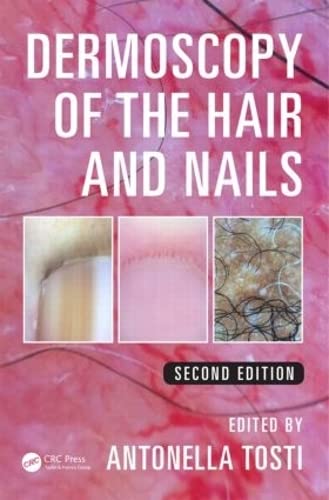
Dermoscopy of the Hair and Nails
Antonella Tosti, MD, is a <strong>professor of clinical dermatology at the University of Miami Health System</strong>. She is a worldwide recognized expert in hair and nail disorders and has been invi

iRestore Essential - Laser Red Light Therapy for Hair Growth - FDA Cleared Hair Loss, Hair Thinning & Alopecia Treatment for Men & Women - Laser Cap for Hair Regrowth Stimulate Denser Fuller Hair
Developed in GMP-certified facilities, this home-use laser hair growth cap is <strong>durable, lightweight, comfortable, hands-free and easy to use</strong>. This is unlike a laser comb and brush that
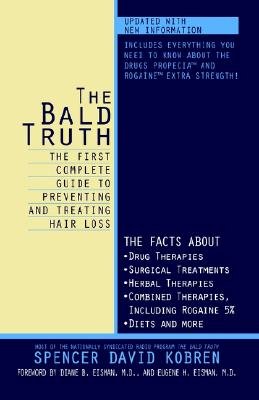
The Bald Truth : The First Complete Guide To Preventing And Treating Hair Loss: Spencer David Kobren, Diane B. Eisman, Eugene H. Eisman
The Bald Truth : <strong>The First Complete Guide To Preventing And Treating Hair Loss</strong> [Spencer David Kobren, Diane B. Eisman, Eugene H. Eisman] on Amazon.com. *FREE* shipping on qualifying o

Kirkland Minoxidil 5% for Men, Topical Solution Extra Strength Hair Regrowth Treatment, 6 Months Supply, Total 12 Fl Oz, Dropper Applicator, Exclusive 2 MicroFiber Cleaning Cloths and Comb Included
KIRKLAND Signature Minoxidil 5% Hair Regrowth Treatment for Men | 6 Months Supply | Topical Solution | Extra Strength | Clinically Proven | Unscented Drops | Dropper Included

Hairmax LaserBand 82 - Hair Growth and Regrowth Treatment - Restores Natural Hair Cycle
The Hairmax LaserBand 82 is <strong>a clinically proven laser hair growth device for men and women</strong>. It uses medical-grade lasers to deliver low-level laser therapy, stimulating hair follicles
Evidence & Sources
Promising research with growing clinical support from multiple studies
- National Alopecia Areata Foundation
- National Institute of Arthritis and Musculoskeletal and Skin Diseases (NIAMS)
- American Academy of Dermatology
- Nature Reviews Disease Primers
- Journal of the American Academy of Dermatology
- The Lancet
- JAMA Dermatology
- National Center for Complementary and Integrative Health (NCCIH)
This content is for informational purposes only and does not constitute medical advice. Always consult a qualified healthcare provider before starting, stopping, or changing any supplement or medication regimen.