

Alcohol use disorder
Overview
Alcohol use disorder (AUD) is a chronic, relapsing condition characterized by impaired control over alcohol use, continued drinking despite harm, craving, and physiologic changes such as tolerance or withdrawal. In modern clinical practice, AUD exists on a spectrum from mild to severe, replacing older terms such as “alcohol abuse” and “alcohol dependence.” It is recognized as both a medical and behavioral health condition, with effects that extend well beyond intoxication, influencing the brain, liver, cardiovascular system, immune function, sleep, mood, relationships, and occupational stability.
AUD is highly prevalent worldwide and contributes substantially to preventable illness, injury, and premature death. Public health data from the World Health Organization and U.S. agencies such as the NIAAA and CDC associate unhealthy alcohol use with liver disease, certain cancers, pancreatitis, accidents, violence, depression, and increased overall mortality. Risk emerges from a combination of factors, including genetics, early life stress, trauma exposure, co-occurring mental health conditions, social environment, and patterns of alcohol availability and use. Not everyone who drinks develops AUD, but repeated heavy use can alter reward, stress, and decision-making circuits in ways that reinforce compulsive consumption.
A key feature of AUD is that it is not simply a matter of willpower. Research suggests chronic alcohol exposure can change neurotransmitter systems involving GABA, glutamate, dopamine, serotonin, and endogenous opioids, contributing to craving, anxiety, withdrawal symptoms, and difficulty reducing use. Clinically, the condition often follows a fluctuating course, with periods of remission and recurrence. This makes long-term support, monitoring, and compassionate care central to contemporary understanding.
AUD also carries important safety considerations. Abrupt cessation after prolonged heavy drinking can lead to alcohol withdrawal, which may range from tremor and insomnia to seizures and delirium tremens, a medical emergency. Because of these risks and the frequent overlap with depression, anxiety, trauma, chronic pain, and other substance use, evaluation by qualified healthcare professionals is important. Integrative and traditional approaches are often discussed in relation to stress regulation, recovery support, digestion, sleep, and overall resilience, but they are generally considered complementary rather than substitutes for medical assessment, especially in moderate to severe AUD or suspected withdrawal.
Medical Perspectives
Two Ways of Seeing Health

Western
scientific · clinical
Western medicine applies science, technology, and clinical experience to treat symptoms through testing, diagnosis, and targeted intervention.

Eastern
traditional · alternative
Eastern medicine focuses on treating the body naturally by applying traditional knowledge practiced for thousands of years, emphasizing balance and whole-person wellness.
Gold Bamboo presents both perspectives side-by-side so you can make informed decisions. We don't advocate for one over the other — your health choices are yours.
Western Medicine Perspective
Western Medicine Perspective
In conventional medicine, alcohol use disorder is diagnosed using standardized criteria, most commonly those in the DSM-5-TR, which assess patterns such as loss of control, unsuccessful efforts to cut down, time spent drinking or recovering, craving, role impairment, hazardous use, tolerance, and withdrawal. Severity is generally categorized as mild, moderate, or severe based on the number of criteria present. Assessment often includes screening tools such as AUDIT or brief alcohol-use questionnaires, along with evaluation for liver injury, nutritional deficiencies, cardiovascular effects, sleep disruption, and co-occurring psychiatric conditions.
The modern biomedical model views AUD as a multifactorial brain-body disorder shaped by neurobiology, psychology, and environment. Studies indicate that repeated alcohol exposure may dysregulate reward pathways and stress circuitry, making drinking more reinforcing while also increasing distress during abstinence or reduction. Conventional treatment frameworks therefore commonly include a combination of behavioral interventions, psychotherapy, peer recovery support, and in some cases FDA-approved medications such as naltrexone, acamprosate, or disulfiram, depending on individual context. Management of withdrawal may require supervised medical care because severe withdrawal can be life-threatening.
Western medicine also emphasizes harm reduction, relapse prevention, and treatment of coexisting conditions rather than a one-size-fits-all model. Research supports integrated care approaches that address depression, anxiety, trauma, insomnia, chronic pain, tobacco use, and social determinants of health alongside alcohol-related symptoms. Laboratory monitoring, nutritional repletion—especially concern for thiamine deficiency—and assessment for liver disease, neuropathy, cardiomyopathy, and gastrointestinal complications are often part of a comprehensive evaluation. From this perspective, AUD is approached as a treatable chronic condition that benefits from ongoing follow-up and individualized care planning.
Eastern & Traditional Perspective
Eastern / Traditional Medicine Perspective
Traditional systems do not typically define alcohol use disorder in the same diagnostic terms used by modern psychiatry, but many have long described patterns of compulsive consumption, intoxication, depletion, and disturbance of mind-body balance. In Traditional Chinese Medicine (TCM), heavy alcohol use may be interpreted through patterns such as damp-heat, Liver qi stagnation, phlegm misting the mind, or longer-term depletion affecting the Spleen, Stomach, Liver, Heart, and Kidney systems. Symptoms like irritability, digestive disturbance, poor sleep, tremulousness, mental restlessness, and fatigue may be understood as manifestations of these underlying imbalances. Traditional care may emphasize restoration of balance, emotional regulation, and support for digestion and vitality.
In Ayurveda, problematic alcohol use has historically been discussed in relation to disturbed agni (digestive/metabolic fire), accumulation of ama (toxic residue), and aggravation of rajas and tamas, with secondary disruption of vata, pitta, or kapha depending on the presentation. Excess alcohol may be viewed as destabilizing the nervous system, impairing clarity, and weakening tissues over time. Ayurvedic frameworks often place importance on routine, nourishment, mental discipline, and restoring equilibrium in body and mind.
Other traditional and integrative approaches, including naturopathic and contemplative traditions, frequently focus on the broader terrain surrounding AUD: stress burden, sleep quality, emotional dysregulation, social disconnection, digestive function, and recovery of resilience. Practices such as mindfulness, meditation, breathing exercises, yoga, acupuncture, and dietary support have been studied primarily as adjunctive tools for craving management, stress reduction, or quality of life rather than stand-alone treatments for severe AUD. Evidence for these approaches is variable and generally less robust than for established medical and behavioral interventions. As a result, traditional modalities are most often framed as complementary supports within a broader care plan, particularly when there is risk of withdrawal, severe dependence, liver disease, or psychiatric comorbidity.
Related Topics
Pancreatitis
Pancreatitis — condition topic in the Gold Bamboo health ontology.
How They Relate
Alcohol use disorder & Pancreatitis
Alcohol and the pancreas have a high‑stakes relationship. Alcohol use—especially heavy or binge patterns—can inflame and injure the pancreas, causing acute attacks and, over time, chronic scarring ...
Supplements & Products
Recommended Products
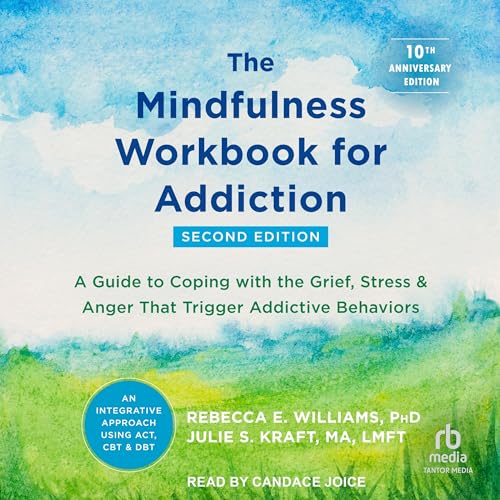
The Mindfulness Workbook for Addiction: A Guide to Coping with the Grief, Stress and Anger that Trigger Addictive Behaviors: PhD, Rebecca E. Williams, Julie S. Kraft MA
The Mindfulness Workbook for Addiction: <strong>A Guide to Coping with the Grief, Stress and Anger that Trigger Addictive Behaviors</strong> [PhD, Rebecca E. Williams, Julie S. Kraft MA] on Amazon.com
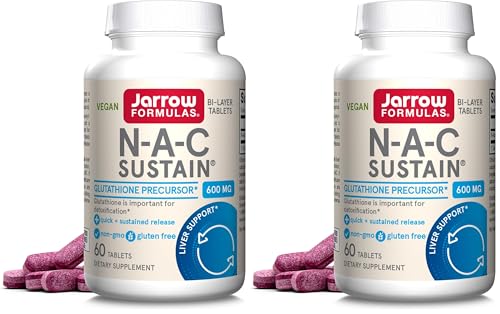
Jarrow Formulas N-A-C Sustain 600 mg, Dietary Supplement, NAC 600 mg, an Antioxidant Amino Acid Support for Liver Health, 60 Tablets, 60 Day Supply
"Jarrow Formulas NAC supplement 600 mg <strong>provides the antioxidant amino acid N-Acetyl L-Cysteine which supports detoxification processes</strong>.(1) This amino acid NAC supplement provides

Solgar Vitamin B1 (Thiamin) - 100 Tablets - Super Potency, 500mg Formula - Non-GMO, Vegan, Gluten Free, Kosher, Halal - 100 Servings
Objective Nutrients Thiamax Vitamin B1 (Thiamine TTFD), The Original, No Toxic Fillers, Supports Energy Metabolism, High Dose, Third Party Tested, All Active Ingredients 100mg, 60 Count
Evidence & Sources
Promising research with growing clinical support from multiple studies
- World Health Organization (WHO)
- National Institute on Alcohol Abuse and Alcoholism (NIAAA)
- American Psychiatric Association, DSM-5-TR
- Substance Abuse and Mental Health Services Administration (SAMHSA)
- National Institute for Health and Care Excellence (NICE)
- New England Journal of Medicine
- JAMA
- Cochrane Database of Systematic Reviews
- National Center for Complementary and Integrative Health (NCCIH)
This content is for informational purposes only and does not constitute medical advice. Always consult a qualified healthcare provider before starting, stopping, or changing any supplement or medication regimen.