

Adrenal Burnout
Also known as: Burnout, Stress Burnout, Adrenal Burn Out
Overview
"Adrenal burnout" is a popular lay term used to describe a cluster of symptoms such as persistent fatigue, feeling overwhelmed, low stress tolerance, sleep disruption, brain fog, cravings, and reduced resilience after prolonged stress. It is often used interchangeably with "adrenal fatigue," especially in wellness and alternative medicine communities. Although the phrase is widely recognized by the public, it is not an established medical diagnosis in conventional medicine. Instead, these symptoms may reflect a range of overlapping issues, including chronic stress, sleep deprivation, anxiety, depression, overtraining, burnout syndrome, metabolic concerns, medication effects, or endocrine disorders.
The term draws on the idea that long-term stress may somehow "wear out" the adrenal glands, which produce hormones including cortisol, aldosterone, and adrenaline-related catecholamines. In conventional endocrinology, however, the adrenals are understood to either function normally or show measurable disease states, such as adrenal insufficiency, Addison's disease, Cushing syndrome, or rare adrenal tumors. This distinction is important because symptoms attributed to adrenal burnout are often real and disruptive, even if the label itself does not correspond to a recognized adrenal disorder.
From a broader health perspective, interest in adrenal burnout reflects a genuine concern about the effects of chronic stress physiology. Research has linked prolonged stress, poor sleep, inflammation, circadian disruption, and psychological strain with changes in energy, mood, immune function, and quality of life. In occupational health, the concept of burnout has been described as a syndrome related to chronic workplace stress that has not been successfully managed, characterized by exhaustion, mental distance or cynicism, and reduced effectiveness. This makes adrenal burnout a culturally meaningful term, even if its biological framing remains debated.
Because the symptoms are nonspecific, evaluation in mainstream healthcare often focuses on ruling out identifiable medical causes rather than confirming adrenal burnout itself. Traditional and integrative systems, by contrast, may interpret the same pattern through frameworks involving depletion, deficiency, impaired stress adaptation, or imbalance of vital energy. As a result, the topic sits at the intersection of endocrinology, stress medicine, mental health, lifestyle medicine, and traditional healing systems. A balanced view recognizes both the limitations of the diagnosis and the importance of taking stress-related exhaustion seriously, ideally with support from qualified healthcare professionals.
Medical Perspectives
Two Ways of Seeing Health

Western
scientific · clinical
Western medicine applies science, technology, and clinical experience to treat symptoms through testing, diagnosis, and targeted intervention.

Eastern
traditional · alternative
Eastern medicine focuses on treating the body naturally by applying traditional knowledge practiced for thousands of years, emphasizing balance and whole-person wellness.
Gold Bamboo presents both perspectives side-by-side so you can make informed decisions. We don't advocate for one over the other — your health choices are yours.
Western Medicine Perspective
Western Medicine Perspective
In conventional medicine, adrenal burnout is not recognized as a formal diagnosis, and major endocrine organizations have stated that the concept of "adrenal fatigue" is not supported by sufficient scientific evidence. Reviews of the literature have found that studies on cortisol patterns in people labeled with adrenal fatigue are inconsistent, methodologically variable, and often unable to establish a distinct endocrine disorder. From this perspective, the adrenal glands do not gradually "burn out" from everyday stress in the way the term implies.
Western clinicians typically approach these symptoms by considering differential diagnosis. Persistent low energy, poor concentration, lightheadedness, reduced exercise tolerance, sleep problems, and mood changes may overlap with anemia, thyroid disorders, sleep apnea, depression, anxiety, chronic infections, nutritional deficiencies, post-viral syndromes, medication side effects, perimenopause, diabetes, or true adrenal insufficiency. True adrenal insufficiency is a serious medical condition involving inadequate cortisol production and is diagnosed through history, physical examination, and laboratory testing, rather than symptom checklists alone.
At the same time, conventional medicine does recognize that chronic stress can alter neuroendocrine signaling, circadian rhythms, autonomic balance, and inflammatory pathways. Research on the hypothalamic-pituitary-adrenal (HPA) axis suggests that prolonged stress may affect cortisol dynamics, though these changes do not necessarily amount to gland failure. Related constructs such as burnout, allostatic load, and stress-related exhaustion are increasingly used to describe how cumulative stress can affect physical and mental functioning. In this framework, the symptoms commonly attributed to adrenal burnout are viewed as multifactorial stress-related phenomena, not a standalone adrenal disease.
A conventional evidence-based discussion also emphasizes caution with self-diagnosis. Because symptoms are nonspecific, reliance on unvalidated saliva testing panels or generalized wellness labels may delay recognition of treatable medical or psychiatric conditions. Mainstream care generally frames this topic as an invitation for careful assessment, especially when symptoms are severe, persistent, or accompanied by features such as weight loss, fainting, significant blood pressure changes, fever, severe depression, or abnormal pigmentation.
Eastern & Traditional Perspective
Eastern and Traditional Medicine Perspective
In Traditional Chinese Medicine (TCM), the symptom pattern associated with adrenal burnout is not usually reduced to a single gland. Instead, it may be understood through broader patterns such as Kidney deficiency, Spleen qi deficiency, Heart-Spleen imbalance, or Liver qi stagnation transforming into depletion over time. Chronic stress, overwork, irregular sleep, and emotional strain are traditionally thought to weaken the body's reserves, leading to fatigue, poor recovery, low motivation, palpitations, difficulty concentrating, and disrupted sleep. In this model, the concern is less about adrenal failure and more about systemic imbalance in energy, essence, and stress adaptation.
In Ayurveda, similar presentations may be interpreted in relation to vata aggravation, ojas depletion, weakened agni (digestive/metabolic fire), or overall loss of resilience after prolonged strain. People experiencing exhaustion, restlessness, poor sleep, digestive changes, and mental overwhelm may be described as having a stress pattern involving depletion of restorative capacity. The emphasis is traditionally placed on restoration, rhythm, nourishment, and reducing the cumulative burden of stress, rather than on diagnosing an isolated endocrine defect.
In naturopathic and integrative medicine, adrenal burnout or adrenal fatigue has often been used as a shorthand for stress-related dysregulation. These systems may discuss impaired adaptation to chronic stress and may incorporate concepts such as circadian imbalance, nutrient depletion, nervous system overload, and HPA-axis dysfunction. Some practitioners also use the category of adaptogens and restorative therapies within a whole-person model. However, the evidence base for many specific adrenal-support concepts remains mixed or preliminary, and there is ongoing debate about how well these frameworks map onto measurable physiology.
Across traditional systems, the central theme is that chronic stress can exhaust the body's functional reserves. While the language differs from endocrinology, these traditions often aim to contextualize fatigue within sleep, digestion, emotions, environment, and long-term lifestyle strain. A balanced interpretation acknowledges that these frameworks may offer meaningful ways to understand lived experience, while also recognizing the value of conventional evaluation to exclude serious medical disease.
Supplements & Products
Recommended Products

The Adrenal Thyroid Revolution: A Proven 4-Week Program to Rescue Your Metabolism, Hormones, Mind & Mood: Aviva Romm
The Adrenal Thyroid Revolution <strong>explains SOS, how it impacts our bodies and can lead to illness, and most importantly, offers a drug-free cure developed through Dr.</strong> Romms research and
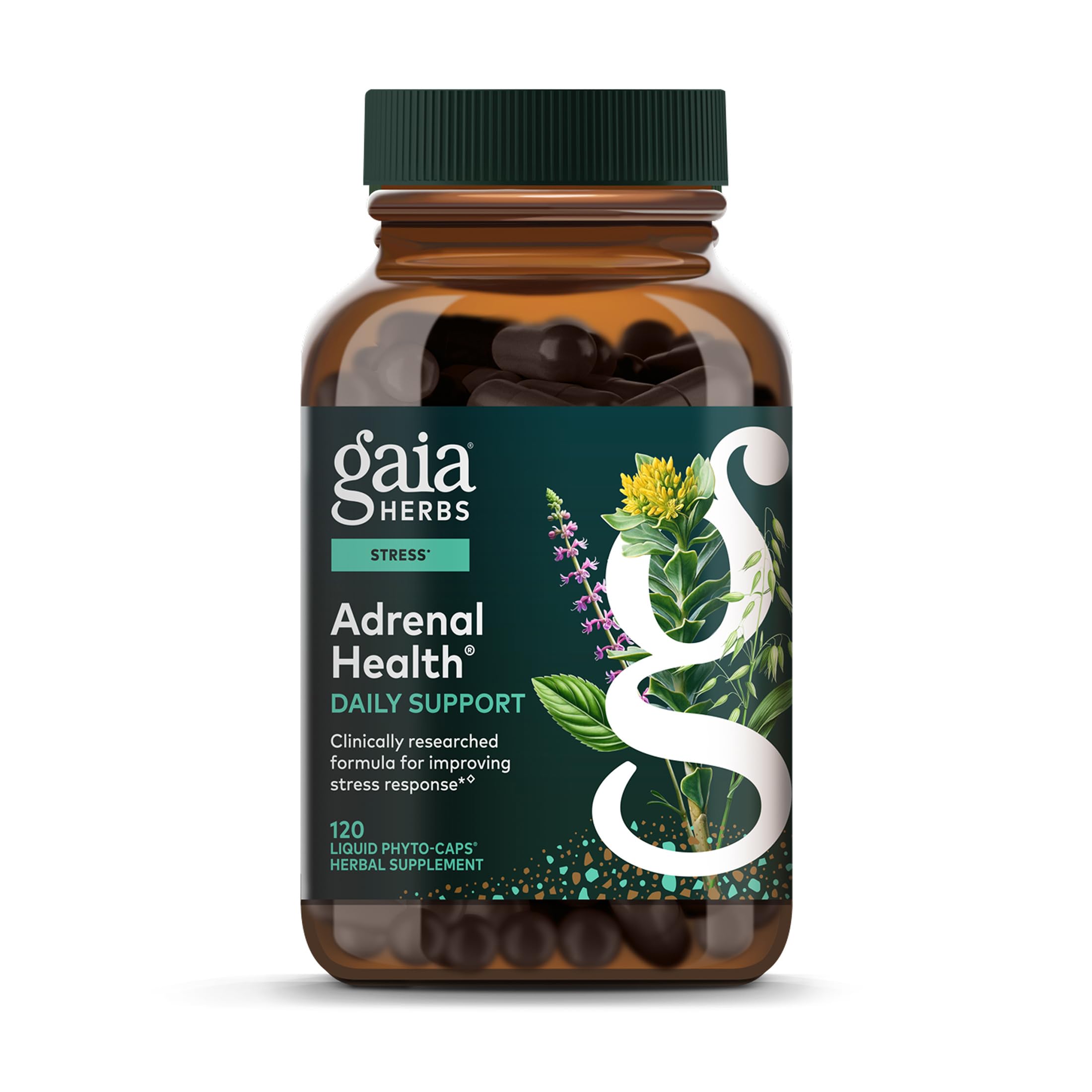
Gaia Herbs Adrenal Health Daily Support - Herbal Supplement with Ashwagandha, Holy Basil & Schisandra - Help Maintain Healthy Energy & Stress Levels* - 60 Vegan Liquid Phyto-Caps (30 Servings)
Supports Healthy Stress Response: <strong>A clinically studied blend of adaptogenic herbs, like ashwagandha, holy basil, Rhodiola rosea, and schisandra</strong>, that support your adrenal glands, whic
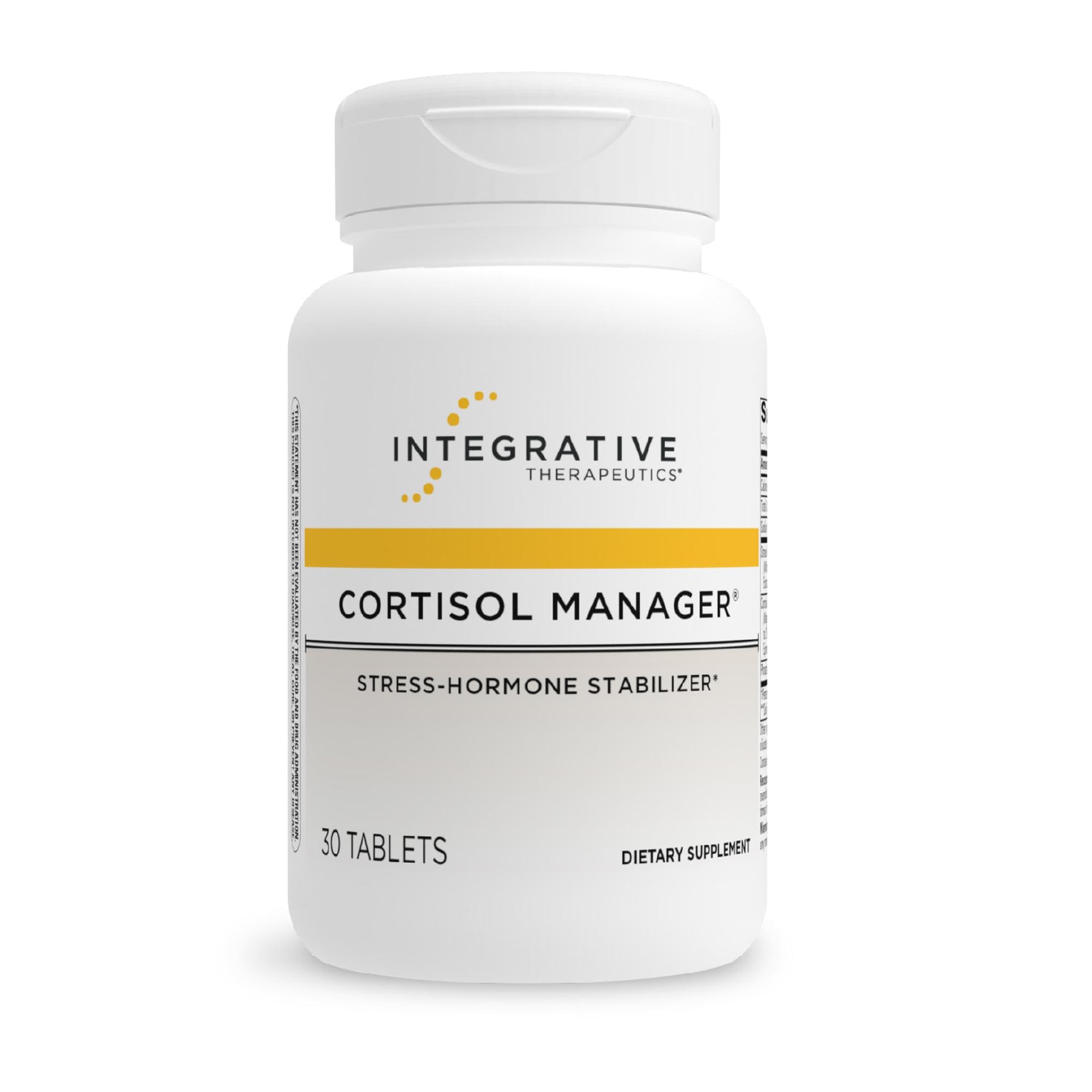
Integrative Therapeutics Cortisol Manager - Balance Cortisol & Support Relaxation for Restful Sleep* - Includes Ashwagandha & L-Theanine for Confidence with Less Stress* - 30 Tablets (15 Servings)
Our best-selling Cortisol Manager <strong>contains proprietary blends of Sensoril brand ashwagandha extract and L-theanine and of Magnolia and epimedium extracts, as well as phosphatidylserine</strong
Evidence & Sources
Early-stage research, mostly preclinical or preliminary human studies
- Endocrine Society
- BMC Endocrine Disorders
- World Health Organization (ICD-11 Burn-out)
- National Center for Complementary and Integrative Health (NCCIH)
- StatPearls Publishing
- Journal of Clinical Endocrinology & Metabolism
- Psychoneuroendocrinology
This content is for informational purposes only and does not constitute medical advice. Always consult a qualified healthcare provider before starting, stopping, or changing any supplement or medication regimen.