

Acupuncture for Chronic Bronchitis
Overview
Acupuncture for chronic bronchitis refers to the use of traditional needling techniques as a complementary approach for people living with long-standing bronchial inflammation and mucus-producing cough. Chronic bronchitis is commonly defined in conventional medicine as a productive cough lasting for at least three months in each of two consecutive years, after other causes of chronic cough have been excluded. It is often discussed within the broader spectrum of chronic obstructive pulmonary disease (COPD), especially when persistent airway inflammation, excess mucus production, and airflow limitation coexist. The condition can significantly affect quality of life through cough, sputum production, wheezing, breathlessness, sleep disruption, and reduced exercise tolerance.
Interest in acupuncture in this setting generally centers on whether it may help reduce symptom burden, support breathing comfort, and improve day-to-day functioning when used alongside standard medical care. Research has explored outcomes such as dyspnea, cough severity, exercise capacity, health-related quality of life, and pulmonary function, though results vary by study design, patient population, and the specific acupuncture methods used. In modern integrative care discussions, acupuncture is usually framed as a supportive or adjunctive therapy, not as a replacement for pulmonary evaluation or evidence-based respiratory management.
From a public health perspective, chronic bronchitis remains important because it is strongly associated with tobacco exposure, air pollution, occupational irritants, biomass smoke, and recurrent respiratory inflammation. Its burden is especially high among older adults and in communities with elevated environmental exposures. Because chronic bronchitis may overlap with asthma, COPD, bronchiectasis, heart disease, gastroesophageal reflux, or infection-related conditions, conventional assessment remains essential before attributing symptoms to a single cause. This is particularly relevant when people seek acupuncture for persistent cough or breathlessness.
Within traditional East Asian medicine, chronic bronchitis-like symptoms are not defined solely by a modern diagnostic label. Instead, they are often interpreted through patterns involving the Lung, Spleen, and Kidney systems, along with concepts such as phlegm accumulation, qi deficiency, external pathogenic factors, or deficiency of defensive qi. This broader pattern-based framework helps explain why acupuncture may be individualized differently for two people who share the same biomedical diagnosis. Across both conventional and traditional perspectives, the central theme is symptom management, functional support, and a broader effort to improve quality of life while maintaining appropriate medical oversight.
Compare Treatment Options
Chronic bronchitis is a long-term airway condition defined clinically by a productive cough lasting at least three months in a year for two consecutive years. It often sits within the broader spectrum of chronic obstructive pulmonary disease (COPD), though not every chronic cough is chronic bronchitis. The condition involves ongoing irritation and inflammation of the bronchial tubes, increased mucus production, and in many people, episodes of wheezing, chest tightness, shortness of breath, or recurrent flare-ups. Smoking remains the most common cause, but air pollution, occupational dust or chemical exposure, and repeated respiratory infections can also contribute. Treatment options vary because chronic bronchitis is not one uniform problem. Some people are mainly troubled by daily mucus and cough, while others have frequent exacerbations, reduced exercise tolerance, or overlapping asthma, sinus disease, or emphysema. Western care often focuses on confirming the diagnosis with spirometry, reducing airway inflammation and bronchospasm, preventing exacerbations, and improving physical function. Eastern approaches such as acupuncture, breathing practices, and certain herbal traditions are used more often as adjunctive strategies aimed at symptom relief, resilience, and quality of life. Research support differs by intervention, so a balanced review of expected benefit, safety, evidence quality, and individual fit is important.
View treatment comparison (6 options)Medical Perspectives
Two Ways of Seeing Health

Western
scientific · clinical
Western medicine applies science, technology, and clinical experience to treat symptoms through testing, diagnosis, and targeted intervention.

Eastern
traditional · alternative
Eastern medicine focuses on treating the body naturally by applying traditional knowledge practiced for thousands of years, emphasizing balance and whole-person wellness.
Gold Bamboo presents both perspectives side-by-side so you can make informed decisions. We don't advocate for one over the other — your health choices are yours.
Western Medicine Perspective
Western Medicine Perspective
In conventional medicine, chronic bronchitis is understood as a disorder of the airways characterized by chronic inflammation, mucus hypersecretion, impaired mucociliary clearance, and often structural changes in the bronchial walls. It is most commonly linked to smoking and other inhaled irritants, and may exist as part of COPD. Standard medical management typically focuses on risk-factor reduction, inhaled therapies, pulmonary rehabilitation, vaccination, and treatment of exacerbations, with diagnostic workup used to assess airflow limitation and rule out alternative causes of chronic cough or breathlessness.
From this perspective, acupuncture is generally evaluated as a complementary symptom-focused intervention. Clinical studies and systematic reviews have investigated whether acupuncture may improve dyspnea perception, exercise tolerance, and quality-of-life scores in chronic bronchitis or COPD populations. Some trials suggest potential benefit in symptom relief and functional outcomes, particularly when acupuncture is added to usual care. However, the evidence base remains limited by small sample sizes, variable acupuncture protocols, challenges with blinding, heterogeneous patient groups, and inconsistent outcome measures. Improvements in subjective symptoms do not always correspond to clear changes in objective lung function such as FEV1.
Major respiratory and evidence-review bodies have generally not treated acupuncture as a primary therapy for chronic bronchitis, but some acknowledge ongoing interest in non-pharmacologic supportive approaches for chronic respiratory symptoms. In practice, a western evidence-based view tends to regard acupuncture as an option that may have adjunctive value for selected patients, especially in areas like symptom perception, well-being, and quality of life, while emphasizing that persistent cough, sputum changes, fever, chest pain, hemoptysis, or worsening shortness of breath require standard medical evaluation. The strongest conclusions in the literature are cautious rather than definitive.
Eastern & Traditional Perspective
Eastern/Traditional Medicine Perspective
In Traditional Chinese Medicine (TCM), chronic bronchitis-like presentations are often categorized under patterns related to chronic cough, phlegm retention, wheezing, or rebellious Lung qi. Rather than treating “chronic bronchitis” as a single disease entity, TCM practitioners traditionally differentiate among syndromes such as phlegm-damp obstructing the Lung, Lung qi deficiency, Lung and Spleen deficiency, or Lung-Kidney qi deficiency. Acupuncture is traditionally used with the aim of regulating Lung qi, transforming phlegm, easing cough and wheeze, and supporting the body’s overall resilience. Pattern identification may also take into account fatigue, digestive weakness, susceptibility to recurrent colds, constitutional depletion, and seasonal triggers.
Classical and modern East Asian medicine texts often describe acupuncture as part of a broader therapeutic framework that can include moxibustion, breathing practices, dietary therapy, herbal medicine, and lifestyle regulation. In this framework, chronic phlegm production may be linked not only to the Lung system but also to dysfunction of the Spleen’s transformative role, while longstanding breathlessness may be associated with deeper constitutional weakness involving the Kidney system. This systems-based interpretation differs from biomedical pathology but remains central to how acupuncture is traditionally understood and individualized.
Related traditional systems offer somewhat different explanations. Ayurveda may interpret chronic productive cough and breathlessness through imbalances involving Kapha accumulation and impaired respiratory channel function, sometimes with Vata involvement in chronic or depleted states. Naturopathic and integrative traditions often frame acupuncture as one component of a broader strategy aimed at supporting respiratory function, stress regulation, and whole-person balance. While these systems have long histories of traditional use, their explanatory models are distinct from western respiratory science, and modern research evaluating them specifically for chronic bronchitis remains relatively limited.
Supplements & Products
Recommended Products
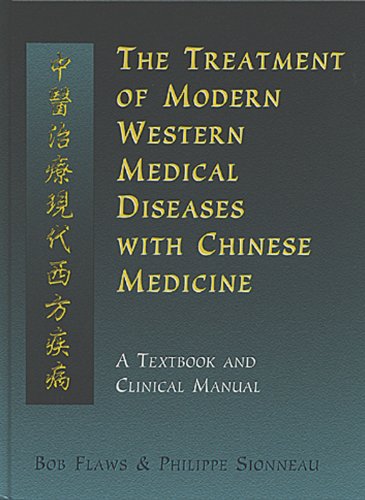
The Treatment of Modern Western Medical Diseases with Chinese Medicine: Flaws, Bob, Sionneau, Philippe
Alternative Medicine · Image not ... and editions · <strong>This reference work is meant primarily for Western practitioners of Chinese medicine treating conditions isolated and named by Western medic

Dongbang Smokeless Mini Moxa (1 Pack)
Kang HWA Stick-On Mini Moxa - Green · Next set of slides · <strong>Smokeless and odorless stick-on Sook moxa</strong>. The 1" x 0.3" dia Mini Moxa has a hole in the base for the moxa heat an

Zacurate Pro Series 500DL Fingertip Pulse Oximeter Blood Oxygen Saturation Monitor with Silicone Cover, Batteries and Lanyard (Royal Black)
Zacurate Pro Series 500DL Fingertip Pulse Oximeter Blood Oxygen Saturation Monitor with Silicone Cover, Batteries and Lanyard (Blushing Pink)
Evidence & Sources
Promising research with growing clinical support from multiple studies
- Global Initiative for Chronic Obstructive Lung Disease (GOLD)
- National Center for Complementary and Integrative Health (NCCIH)
- Cochrane Database of Systematic Reviews
- Journal of Alternative and Complementary Medicine
- Chest
- American Journal of Respiratory and Critical Care Medicine
- World Health Organization
- BMJ Open
This content is for informational purposes only and does not constitute medical advice. Always consult a qualified healthcare provider before starting, stopping, or changing any supplement or medication regimen.