

Visual System
Also known as: Ocular System, Sight System
Overview
The visual system is the body system that makes sight possible by detecting light, converting it into electrical signals, and interpreting those signals in the brain. It includes the eyes, the optic nerves, and multiple brain regions involved in visual processing. Light enters through the cornea and lens, is focused onto the retina, and stimulates specialized cells called photoreceptors. These signals travel through retinal circuits to the optic nerve and onward to the brain, where shape, color, motion, depth, and spatial relationships are interpreted.
Vision is central to daily function, communication, mobility, learning, and safety. Across the lifespan, the visual system changes in response to development, aging, environment, and overall health. Common issues affecting this system include refractive errors such as nearsightedness and farsightedness, dry eye disease, cataracts, glaucoma, macular degeneration, diabetic eye disease, eye strain, and neurologic conditions that alter visual perception. Global public health organizations note that many causes of visual impairment are either preventable or manageable when identified early, making eye health an important component of whole-person care.
The visual system is not limited to the eyeball itself. Healthy vision depends on coordinated function among the ocular surface, tear film, extraocular muscles, retinal blood supply, optic pathways, and cortical processing centers. Because of this complexity, disturbances in vision may reflect not only eye disease but also broader systemic concerns such as diabetes, hypertension, autoimmune disease, infection, head injury, or nutritional deficiency. Research increasingly emphasizes the connection between visual health and overall neurologic, vascular, and metabolic health.
From an integrative perspective, the visual system is often viewed as a bridge between sensory perception and general wellbeing. Conventional medicine focuses on anatomy, optics, retinal physiology, and disease detection, while traditional systems may relate vision to broader patterns involving circulation, aging, nourishment, stress, and organ-system balance. A balanced discussion of visual health therefore benefits from both detailed biomedical understanding and awareness of traditional frameworks that have historically addressed eye comfort, visual fatigue, and systemic contributors to eye function.
Medical Perspectives
Two Ways of Seeing Health

Western
scientific · clinical
Western medicine applies science, technology, and clinical experience to treat symptoms through testing, diagnosis, and targeted intervention.

Eastern
traditional · alternative
Eastern medicine focuses on treating the body naturally by applying traditional knowledge practiced for thousands of years, emphasizing balance and whole-person wellness.
Gold Bamboo presents both perspectives side-by-side so you can make informed decisions. We don't advocate for one over the other — your health choices are yours.
Western Medicine Perspective
Western Medicine Perspective
In conventional medicine, the visual system is understood through ocular anatomy, neurophysiology, and disease mechanisms. The cornea and lens refract light, the iris regulates light entry, and the retina transforms visual information into neural signals through rods and cones. These signals pass through the optic nerve, optic chiasm, optic tracts, thalamic relay centers, and visual cortex. Clinicians assess the visual system using measurements such as visual acuity, refraction, intraocular pressure, retinal imaging, visual field testing, slit-lamp examination, and neurologic evaluation when indicated.
Western medicine categorizes visual disorders by the structures involved. Refractive disorders affect the focusing of light; surface disorders involve the cornea, conjunctiva, eyelids, or tear film; retinal disorders affect photoreceptors and vascular supply; and optic nerve or brain-based disorders alter signal transmission or visual interpretation. Age-related changes, genetic factors, inflammation, vascular disease, infection, trauma, medication effects, and prolonged screen exposure may all influence visual health. Public health and ophthalmology literature strongly support regular screening in populations at risk for conditions such as diabetic retinopathy, glaucoma, and age-related macular degeneration.
Research on visual system care in conventional settings often centers on early detection, risk reduction, rehabilitation, and disease-specific management. Studies indicate that systemic disease control, injury prevention, workplace ergonomics, and timely evaluation of vision changes can affect outcomes. At the same time, mainstream medicine recognizes the limits of symptom-based self-assessment, since some eye diseases progress quietly before noticeable vision loss occurs. For this reason, unexplained visual changes are generally treated as clinically significant and deserving of evaluation by qualified eye care professionals.
Eastern & Traditional Perspective
Eastern and Traditional Medicine Perspective
In Traditional Chinese Medicine (TCM), the eyes are often described as being closely connected to the Liver system, which is traditionally said to "open into the eyes," while adequate nourishment from Blood and Kidney essence is considered important for maintaining visual clarity over time. Eye symptoms may be interpreted within broader patterns such as Liver Blood deficiency, Liver Yin deficiency, internal heat, wind, or impaired circulation of Qi and Blood. In this framework, blurred vision, dryness, redness, irritation, or visual fatigue are not viewed only as local eye concerns but as possible reflections of systemic imbalance.
In Ayurveda, vision is commonly associated with Alochaka Pitta, a sub-type of pitta involved in visual perception and light processing. Disturbances in sight may be discussed in terms of imbalance in pitta, vata-related dryness or degeneration, or broader effects of diet, sleep disruption, mental strain, and aging. Traditional Ayurvedic texts also place strong emphasis on daily routines, rest, and whole-body balance as relevant to eye comfort and sensory health.
Other traditional and naturopathic approaches often frame the visual system in terms of circulation, oxidative stress, nervous system regulation, and nourishment of ocular tissues. Botanicals, mind-body practices, eye rest practices, and constitutional support have been traditionally used for eye comfort and general wellness, though the quality of evidence varies substantially by intervention. Modern integrative practitioners may explore how stress load, sleep, environmental exposure, and systemic inflammation relate to visual symptoms while also recognizing that serious eye disease requires appropriate medical assessment.
Overall, eastern and traditional systems tend to view the visual system as deeply connected to the body's internal balance rather than as an isolated organ structure. This holistic lens can add context to symptoms such as eye fatigue or dryness, but it is not a substitute for ophthalmic evaluation when structural or progressive disease is possible. Integrative care discussions commonly emphasize collaboration between traditional practitioners and licensed eye care or medical professionals.
Supplements & Products
Recommended Products
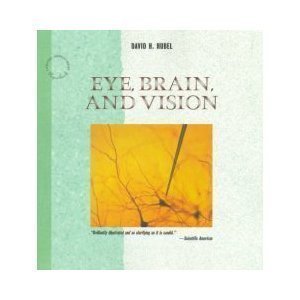
Eye, Brain, and Vision (Scientific American Library): Hubel, David H.
In Eye, Brain, and Vision, <strong>he brings you to the edge of current knowledge about vision, and explores the tasks scientists face in deciphering the many remaining mysteries of vision and the wor
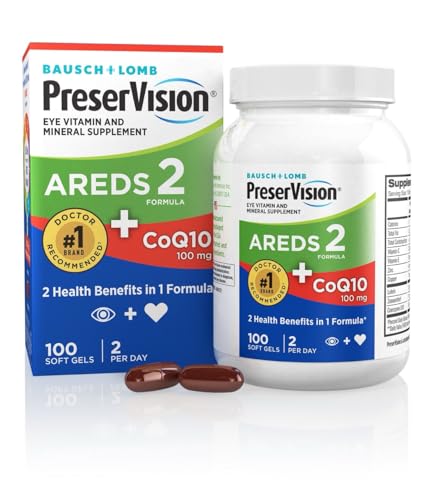
PreserVision AREDS 2 Eye Vitamins, #1 Eye Doctor Recommended Brand, Lutein and Zeaxanthin Supplement with Vitamin C, Vitamin E, Zinc, and Copper, 90 Softgels (Minigels)
AREDS 2 Formula with Lutein and Zeaxanthin Replacing Beta-Carotene. #1 Doctor Recommended Brand1. 2 Soft Gels Per Day1Data on File for #1 Doctor Recommended Brand, Bausch + Lomb. PreserVision AREDS 2

Systane Ultra PF Preservative-Free Eye Drops 10ml
Systane COMPLETE PF Multi-Dose Preservative Free Dry Eye Drops 0.34 Fl Oz, 2 count (pack of 1) (Packaging may vary) ... Brief content visible, double tap to read full content. Full content visible, do
Evidence & Sources
Supported by multiple clinical trials and systematic reviews
- World Health Organization (WHO) – World report on vision
- National Eye Institute (NEI)
- American Academy of Ophthalmology
- NCCIH – Eye Conditions and Complementary Health Approaches
- The Lancet Global Health
- Nature Reviews Neuroscience
- Survey of Ophthalmology
- New England Journal of Medicine
This content is for informational purposes only and does not constitute medical advice. Always consult a qualified healthcare provider before starting, stopping, or changing any supplement or medication regimen.