

Vestibular System
Also known as: Balance System, Inner Ear System
Overview
The vestibular system is the body system primarily responsible for balance, spatial orientation, and stabilization of eye movements. It is centered in the inner ear, where specialized structures detect head motion, acceleration, and position relative to gravity. These signals are integrated with input from the eyes, muscles, joints, and brain to help maintain posture, coordinate movement, and keep vision steady during motion. Although often discussed only when dizziness occurs, the vestibular system is active constantly in everyday tasks such as walking, turning, standing up, and navigating through space.
The main peripheral organs of the vestibular system are the semicircular canals, which detect rotational movement, and the otolith organs—the utricle and saccule—which detect linear acceleration and head position changes. Information from these structures travels through the vestibular nerve to brain regions including the brainstem and cerebellum, where it is processed and coordinated with visual and proprioceptive signals. This network supports critical reflexes such as the vestibulo-ocular reflex (VOR), which helps keep vision clear when the head moves, and the vestibulospinal reflexes, which contribute to postural control.
When vestibular function is disrupted, symptoms may include vertigo, dizziness, imbalance, motion sensitivity, nausea, and difficulty focusing visually during movement. Common vestibular disorders include benign paroxysmal positional vertigo (BPPV), vestibular neuritis, Ménière disease, vestibular migraine, and age-related vestibular decline. These conditions can have substantial effects on quality of life, mobility, fall risk, and confidence in daily activities. In older adults especially, impaired vestibular function is associated with increased instability and may contribute to injury risk.
From a broader health perspective, the vestibular system is increasingly recognized as a multisystem regulator rather than an isolated ear structure. Research suggests vestibular dysfunction can influence cognition, anxiety, visual comfort, gait, and autonomic symptoms. Because balance depends on several body systems working together, vestibular symptoms may overlap with neurological, cardiovascular, ophthalmologic, and musculoskeletal conditions. For that reason, evaluation is often multidisciplinary, and interpretation of symptoms generally benefits from qualified healthcare assessment.
Medical Perspectives
Two Ways of Seeing Health

Western
scientific · clinical
Western medicine applies science, technology, and clinical experience to treat symptoms through testing, diagnosis, and targeted intervention.

Eastern
traditional · alternative
Eastern medicine focuses on treating the body naturally by applying traditional knowledge practiced for thousands of years, emphasizing balance and whole-person wellness.
Gold Bamboo presents both perspectives side-by-side so you can make informed decisions. We don't advocate for one over the other — your health choices are yours.
Western Medicine Perspective
Western Medicine Perspective
In conventional medicine, the vestibular system is understood through anatomy, neurophysiology, and clinical vestibular testing. The peripheral apparatus in the inner ear converts mechanical motion into neural signals, while central pathways in the brainstem, cerebellum, thalamus, and cortex help interpret movement and orient the body in space. Western medicine distinguishes between peripheral vestibular disorders (arising from the inner ear or vestibular nerve) and central vestibular disorders (arising from the brain). This distinction matters because similar symptoms—such as dizziness or imbalance—can result from very different causes.
Clinical assessment commonly includes a history of symptom timing and triggers, bedside examination of eye movements and nystagmus, hearing evaluation when relevant, positional testing such as the Dix-Hallpike maneuver, and in selected cases more formal studies such as videonystagmography (VNG), video head impulse testing (vHIT), vestibular evoked myogenic potentials (VEMP), rotational chair testing, imaging, or audiologic assessment. Research and clinical guidelines indicate that specific vestibular disorders may be identified by characteristic patterns—for example, positional vertigo in BPPV, acute prolonged vertigo in vestibular neuritis, episodic vertigo with fluctuating hearing symptoms in Ménière disease, or dizziness associated with migraine features in vestibular migraine.
Conventional management focuses on the underlying diagnosis, symptom pattern, and functional impact. For some vestibular conditions, studies support vestibular rehabilitation therapy, a structured form of exercise-based care designed to improve gaze stability, balance, and motion tolerance. Canalith repositioning maneuvers are well studied for BPPV. In other contexts, treatment may involve hearing-focused care, migraine management strategies, fall-risk reduction, or further neurologic or otologic evaluation. Western medicine also emphasizes that persistent or sudden vestibular symptoms can sometimes signal urgent conditions such as stroke, which is why timely clinical assessment is important when symptoms are severe, new, or accompanied by focal neurologic signs.
Eastern & Traditional Perspective
Eastern and Traditional Medicine Perspective
In Traditional Chinese Medicine (TCM) and related East Asian medical systems, symptoms associated with vestibular disturbance—such as dizziness, vertigo, unsteadiness, nausea, or a sensation of spinning—are typically interpreted through broader functional patterns rather than a single isolated inner-ear mechanism. Classical frameworks may relate these symptoms to “wind,” “phlegm,” “liver yang rising,” “kidney deficiency,” or disruption in the harmonious movement of qi and blood. In this view, balance reflects coordinated communication between the sensory organs, the brain, and the body’s internal regulatory systems. TCM assessment traditionally considers accompanying features such as headache, fatigue, digestion, stress, sleep, emotional state, and tongue/pulse findings.
Traditional approaches may include acupuncture, moxibustion, herbal formulas, breathing practices, and movement disciplines intended to support equilibrium and whole-body regulation. Research suggests acupuncture has been studied for dizziness, vertigo, and vestibular symptoms, though evidence quality varies by condition and study design. In integrative settings, these therapies are sometimes explored for symptom burden, stress modulation, or recovery support, while conventional evaluation remains important for identifying serious neurological or otologic causes.
In Ayurveda, symptoms resembling vestibular imbalance may be understood through disturbance in Vata dosha, especially when there is lightheadedness, instability, sensory irregularity, or nervous-system hypersensitivity. Depending on the presentation, other doshic influences may also be considered, particularly where nausea, fluid imbalance, or head pressure are prominent. Traditional Ayurvedic interpretation places emphasis on systemic balance, digestion, mental calm, and daily rhythms rather than only the ear itself.
Naturopathic and other traditional systems often view vestibular symptoms as influenced by a combination of neurological regulation, inflammation, circulation, stress response, cervical tension, and general resilience. While some supportive practices from these traditions are widely used, the evidence base is mixed and often condition-specific. A balanced integrative perspective generally recognizes that traditional frameworks may offer useful symptom-context models, but they do not replace diagnostic evaluation when dizziness, vertigo, hearing changes, fainting, or neurologic symptoms are present.
Supplements & Products
Recommended Products
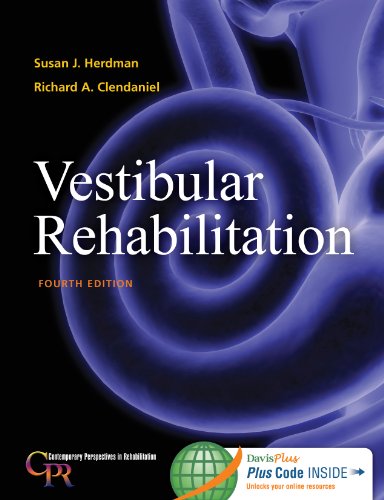
Vestibular Rehabilitation (Contemporary Perspectives in Rehabilitation)
Recognized as two of the world's ... by a team of expert contributors, <strong>deliver the 4th Edition of the field's definitive text on the management of vestibular diseases and disorders</

Reliefband Classic Wristband | FDA Cleared Relief for Motion Sickness (Car, Air, Train, Sea), & Morning Sickness | Drug Free (1 Extra Gel Tube)
Live and feel better with Reliefband. Our therapeutic wearable has been <strong>clinically proven to provide long-lasting relief by blocking the body's nausea response before or after symptoms oc
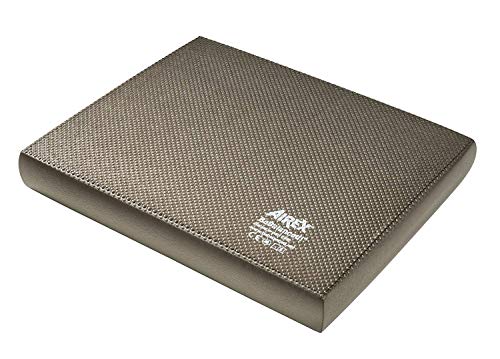
Airex Balance Pad Foam Board Stability Cushion Exercise Trainer for Balance, Stretching, Physical Therapy, Mobility, Rehabilitation and Core Strength Training 16 x 40 x 2.5, Blue
A leader in closed-cell specialty foam materials and backed by more than 50 years of experience in the foam technology field. <strong>Balance pads for vestibular training and exercises</strong>. The d
Evidence & Sources
Supported by multiple clinical trials and systematic reviews
- National Institute on Deafness and Other Communication Disorders (NIDCD)
- National Institute of Neurological Disorders and Stroke (NINDS)
- American Academy of Otolaryngology–Head and Neck Surgery
- Journal of Vestibular Research
- Neurology
- New England Journal of Medicine
- Cochrane Database of Systematic Reviews
- National Center for Complementary and Integrative Health (NCCIH)
This content is for informational purposes only and does not constitute medical advice. Always consult a qualified healthcare provider before starting, stopping, or changing any supplement or medication regimen.