

Urinary System
Also known as: Renal System, Urinary Tract, Kidney and Bladder System, Genitourinary System
Overview
The urinary system is the body system responsible for filtering the blood, removing metabolic waste, regulating fluid balance, and helping maintain stable levels of electrolytes and acid-base balance. Its main structures are the kidneys, ureters, bladder, and urethra. The kidneys continuously filter circulating blood, producing urine that travels through the ureters to the bladder for storage and then exits through the urethra. Beyond waste removal, the urinary system also contributes to blood pressure regulation, red blood cell production, and mineral balance through hormone-related functions.
Interest in urinary system health often centers on kidney wellness, bladder function, urinary comfort, hydration, and so-called “detox” support. In conventional medicine, urinary health is typically discussed in terms of anatomy, physiology, infection, stone formation, chronic kidney disease, incontinence, obstruction, and metabolic regulation. In integrative and traditional health systems, the urinary system may also be viewed more broadly as part of the body’s fluid metabolism, vitality, and elimination pathways.
Urinary symptoms are common across the lifespan. These may include changes in frequency, urgency, pain with urination, nighttime urination, difficulty emptying the bladder, blood in the urine, or swelling related to altered kidney function. Research from major health organizations indicates that urinary tract infections, kidney stones, urinary incontinence, and chronic kidney disease are widespread concerns, particularly in older adults, people with diabetes or hypertension, and those with structural or neurologic conditions affecting the urinary tract.
A balanced discussion of urinary system health benefits from recognizing both the strengths of modern diagnostics and the long history of traditional approaches to supporting fluid balance and urinary comfort. Because urinary symptoms can sometimes reflect serious underlying conditions, evaluation by a qualified healthcare professional is important, especially when symptoms are persistent, severe, or accompanied by fever, visible blood in the urine, or significant pain.
Medical Perspectives
Two Ways of Seeing Health

Western
scientific · clinical
Western medicine applies science, technology, and clinical experience to treat symptoms through testing, diagnosis, and targeted intervention.

Eastern
traditional · alternative
Eastern medicine focuses on treating the body naturally by applying traditional knowledge practiced for thousands of years, emphasizing balance and whole-person wellness.
Gold Bamboo presents both perspectives side-by-side so you can make informed decisions. We don't advocate for one over the other — your health choices are yours.
Western Medicine Perspective
Western Medicine Perspective
In conventional medicine, the urinary system is understood through renal physiology, urology, and nephrology. The kidneys filter blood through microscopic structures called nephrons, selectively reabsorbing water, electrolytes, glucose, and other needed substances while excreting waste products such as urea and creatinine. This system plays a central role in homeostasis, including regulation of sodium, potassium, calcium, fluid volume, acid-base balance, and blood pressure. The kidneys also produce erythropoietin and participate in vitamin D activation, linking urinary health to bone and blood health as well.
Common urinary system disorders include urinary tract infections (UTIs), interstitial cystitis/bladder pain syndrome, kidney stones, overactive bladder, urinary incontinence, benign obstruction-related urinary symptoms, acute kidney injury, and chronic kidney disease (CKD). Risk factors vary by condition but often include age, anatomy, pregnancy, diabetes, hypertension, dehydration, neurologic disease, certain medications, and family history. Diagnostic evaluation may involve urinalysis, urine culture, blood testing, imaging, cystoscopy, or kidney function assessment using measures such as estimated glomerular filtration rate (eGFR) and albuminuria.
Conventional care emphasizes identifying the specific cause of urinary symptoms rather than treating the system as a single entity. Research strongly supports screening and risk reduction for CKD in vulnerable populations, as well as evidence-based management of infections, stones, and bladder disorders. Lifestyle factors such as hydration patterns, dietary sodium, metabolic health, and pelvic floor function are often part of the discussion, but medical evaluation remains central because urinary symptoms can overlap with infection, obstruction, malignancy, or systemic disease.
Eastern & Traditional Perspective
Eastern and Traditional Medicine Perspective
In Traditional Chinese Medicine (TCM), urinary function is closely associated with the Kidney and Bladder organ systems, which are understood as broader functional networks rather than strictly anatomic organs. The Kidneys are traditionally linked to water metabolism, essence, growth, aging, reproduction, and constitutional vitality, while the Bladder is involved in the transformation and excretion of fluids. Urinary symptoms may be interpreted through patterns such as damp-heat, kidney qi deficiency, kidney yang deficiency, or qi transformation dysfunction, depending on the presentation. TCM approaches have traditionally included herbal formulas, acupuncture, dietary therapy, and pattern-based assessment.
In Ayurveda, the urinary system is often discussed through the framework of the mutravaha srotas (urinary channels), fluid regulation, and the balance of doshas, particularly Vata and Pitta in some urinary presentations. Traditional Ayurvedic texts describe disturbances involving urinary flow, burning, retention, or stone-like conditions, with interpretations varying according to constitution, digestion, heat, and tissue balance. Herbs, food energetics, and cleansing or tonifying strategies have historically been used within this system.
In naturopathic and other traditional systems, urinary health is often considered part of broader elimination and terrain-based wellness, including hydration status, inflammatory load, metabolic balance, and mucosal health. Some botanicals have a long history of traditional use for urinary comfort or fluid support, though the quality of evidence varies considerably by herb and condition. Overall, traditional systems tend to view urinary symptoms in connection with the whole person rather than as isolated mechanical problems, while modern integrative care increasingly emphasizes the importance of combining traditional pattern recognition with appropriate medical evaluation when needed.
Supplements & Products
Recommended Products

The Kidney Disease Solution: Reversing Kidney Disease And Living A Normal Healthy Life: Capicchiano, Duncan
The Kidney Disease Solution: Reversing Kidney Disease And Living A Normal Healthy Life [Capicchiano, Duncan] on Amazon.com. *FREE* shipping on qualifying offers. The Kidney Disease Solution: Reversing

Now Foods D-mannose Powder, 6 Ounce
Buy Now Foods D-mannose Powder, 6 Ounce on Amazon.com ✓ FREE SHIPPING on qualified orders
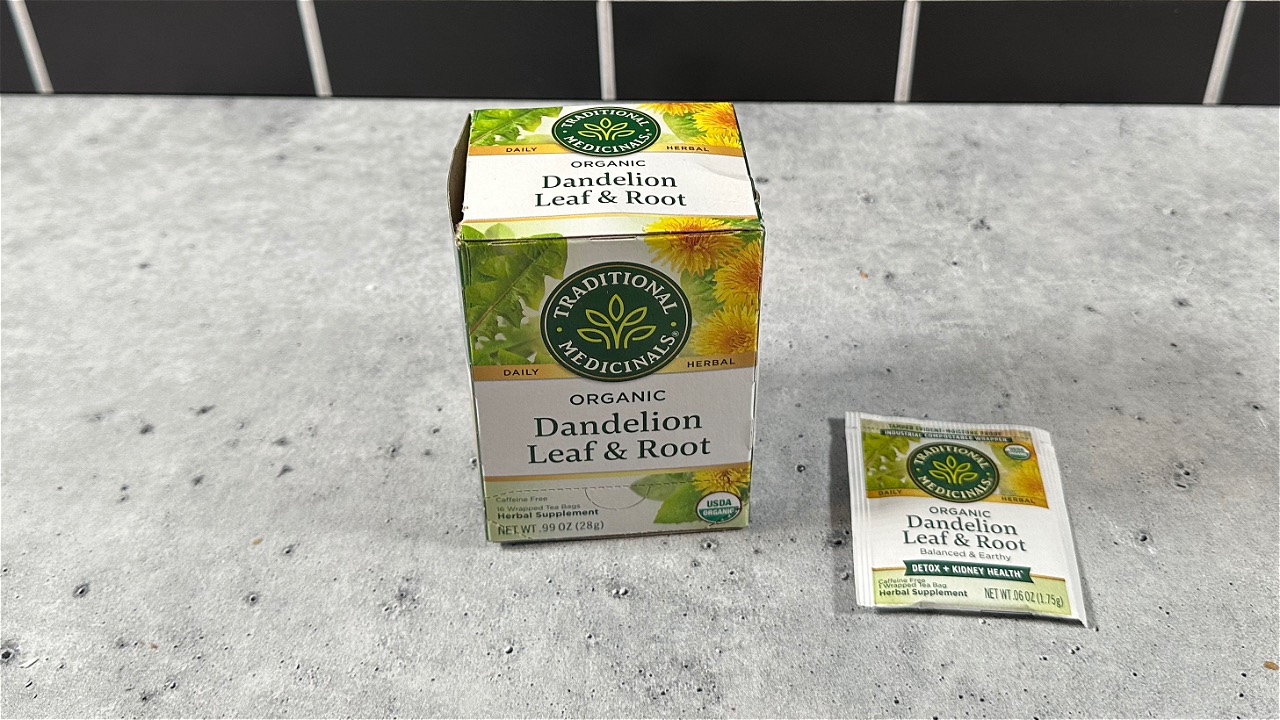
Traditional Medicinals Tea, Organic Dandelion Leaf & Root, Supports Kidney Function & Healthy Digestion, 16 Tea Bags
Traditional Medicinals Organic, Dandelion Leaf & Root - Dandelion Root Tea, Supports Normal Detox + Digestion - Kosher, Non-GMO, Caffeine-Free, Compostable - 16 Tea Bags
Evidence & Sources
Supported by multiple clinical trials and systematic reviews
- National Institute of Diabetes and Digestive and Kidney Diseases (NIDDK)
- National Kidney Foundation
- American Urological Association
- KDIGO Clinical Practice Guidelines
- World Health Organization (WHO)
- National Center for Complementary and Integrative Health (NCCIH)
- The Lancet
- New England Journal of Medicine
This content is for informational purposes only and does not constitute medical advice. Always consult a qualified healthcare provider before starting, stopping, or changing any supplement or medication regimen.