

Thyroid Gland
Also known as: Thyroid, Thyroid Health, Thyroid Function
Overview
The thyroid gland is a small, butterfly-shaped endocrine gland located in the front of the neck. Despite its size, it has a broad influence on human physiology through the production of the hormones thyroxine (T4) and triiodothyronine (T3), which help regulate metabolism, body temperature, heart rate, energy production, digestion, skin and hair health, reproductive function, and aspects of mood and cognition. Thyroid activity is largely governed by the hypothalamic-pituitary-thyroid (HPT) axis, in which thyroid-stimulating hormone (TSH) signals the gland to produce hormone as needed.
Thyroid concerns are common worldwide. Conventional medicine most often focuses on hypothyroidism (underactive thyroid), hyperthyroidism (overactive thyroid), autoimmune thyroid disease such as Hashimoto’s thyroiditis and Graves’ disease, goiter, thyroid nodules, and less commonly thyroid cancer. Symptoms associated with thyroid imbalance can be wide-ranging and nonspecific. People may seek information about the thyroid when experiencing fatigue, weight changes, sensitivity to cold or heat, constipation, palpitations, menstrual changes, hair thinning, anxiety, low mood, or brain fog, although these symptoms are not unique to thyroid disorders.
Interest in the thyroid is especially strong in integrative and alternative medicine because thyroid-related complaints often overlap with concerns about stress, hormonal balance, nutrition, inflammation, and overall vitality. Nutritional factors such as iodine, selenium, iron, and zinc play recognized roles in thyroid hormone production and metabolism, while immune regulation is highly relevant in autoimmune thyroid disease. At the same time, thyroid symptoms can mimic many other conditions, so accurate assessment typically depends on clinical evaluation and laboratory testing, not symptoms alone.
From a broader health perspective, the thyroid is best understood as part of an interconnected hormonal and metabolic network. Research continues to examine how thyroid function interacts with cardiovascular health, bone density, fertility, pregnancy, mental health, and aging. Because both overtreatment and undertreatment can carry risks, the thyroid remains an area where balanced, individualized evaluation by qualified healthcare professionals is especially important.
Medical Perspectives
Two Ways of Seeing Health

Western
scientific · clinical
Western medicine applies science, technology, and clinical experience to treat symptoms through testing, diagnosis, and targeted intervention.

Eastern
traditional · alternative
Eastern medicine focuses on treating the body naturally by applying traditional knowledge practiced for thousands of years, emphasizing balance and whole-person wellness.
Gold Bamboo presents both perspectives side-by-side so you can make informed decisions. We don't advocate for one over the other — your health choices are yours.
Western Medicine Perspective
Western Medicine Perspective
In conventional medicine, the thyroid is understood primarily through endocrinology, with emphasis on hormone regulation, laboratory assessment, imaging when needed, and the identification of structural or autoimmune disease. The most common screening marker is TSH, often interpreted alongside free T4, and in some cases free T3, thyroid peroxidase antibodies (TPOAb), and thyroglobulin antibodies. When nodules or enlargement are present, clinicians may use ultrasound, and sometimes fine-needle aspiration biopsy, to evaluate for benign or malignant changes. This approach aims to distinguish among underactivity, overactivity, inflammation, autoimmune disease, and structural abnormalities.
Hypothyroidism is commonly associated with Hashimoto’s thyroiditis, iodine deficiency in some regions, prior thyroid surgery, radiation exposure, or certain medications. Hyperthyroidism is often linked to Graves’ disease, toxic nodules, or thyroiditis. Conventional research has established that untreated thyroid disease can affect multiple organ systems, contributing to issues such as abnormal cholesterol levels, arrhythmias, osteoporosis risk, menstrual and fertility problems, and complications in pregnancy. For this reason, western medicine places strong emphasis on timely diagnosis and monitoring.
Conventional care also recognizes that thyroid-related symptoms do not always correlate neatly with laboratory values. Some patients with mild laboratory abnormalities have few symptoms, while others with normal-range results continue to report fatigue or metabolic complaints. This has led to ongoing research into subclinical thyroid disease, tissue-level thyroid hormone activity, autoimmune mechanisms, and quality-of-life outcomes. However, mainstream endocrinology generally relies on established biochemical markers and clinical findings rather than symptom patterns alone.
From an evidence-based standpoint, western medicine considers thyroid disorders among the more clearly characterized endocrine conditions, with extensive data on physiology, diagnosis, and long-term health implications. At the same time, clinicians often note that symptoms attributed to the thyroid may also arise from sleep disorders, anemia, depression, chronic stress, menopause, nutrient deficiencies, or other endocrine issues, which is why comprehensive evaluation is considered important.
Eastern & Traditional Perspective
Eastern / Traditional Medicine Perspective
In Traditional Chinese Medicine (TCM), the thyroid gland is not described as a discrete organ in the modern biomedical sense, but thyroid-related patterns may be interpreted through broader functional systems such as the Kidney, Spleen, Liver, and Heart, along with the movement of Qi, Blood, Yin, and Yang. Symptoms resembling hypothyroid patterns are often discussed in relation to Yang deficiency, Qi deficiency, or phlegm-damp accumulation, while hyperthyroid-like presentations may be associated with Yin deficiency, Liver Yang rising, empty heat, or phlegm-fire. Neck swelling or nodules have traditionally been categorized under conditions involving phlegm stagnation and Qi constraint. TCM assessment typically emphasizes the total symptom picture rather than a single hormone value.
In Ayurveda, thyroid-related concerns are generally interpreted through disturbances in Agni (metabolic fire), dosha balance, and tissue nourishment. A slower metabolic picture may be viewed through Kapha predominance or diminished digestive/metabolic transformation, while more accelerated, inflammatory, or anxious presentations may reflect Pitta and Vata imbalance. Rather than defining thyroid illness strictly as one glandular problem, Ayurveda often frames it within a wider pattern involving digestion, stress physiology, reproductive health, and constitutional tendencies.
Other traditional and naturopathic frameworks frequently discuss the thyroid in connection with stress adaptation, nutrient sufficiency, gut health, immune balance, and environmental exposures. In integrative settings, herbs, dietary patterns, mind-body practices, and lifestyle regulation are often explored as supportive approaches for overall well-being. Research into some of these strategies remains mixed or early-stage, especially for direct thyroid-specific outcomes. In autoimmune thyroid disease, there is growing interest in the relationship between immune function, inflammation, and nutrition, but evidence quality varies considerably depending on the intervention.
Traditional systems may offer useful frameworks for understanding the lived experience of fatigue, coldness, restlessness, swelling, or constitutional imbalance. However, because thyroid disease can involve measurable hormone disturbances and, in some cases, serious cardiovascular, reproductive, or oncologic implications, most integrative practitioners consider coordination with qualified medical evaluation important—especially when symptoms are persistent, progressive, or accompanied by a neck mass, palpitations, significant weight change, or pregnancy-related concerns.
Supplements & Products
Recommended Products
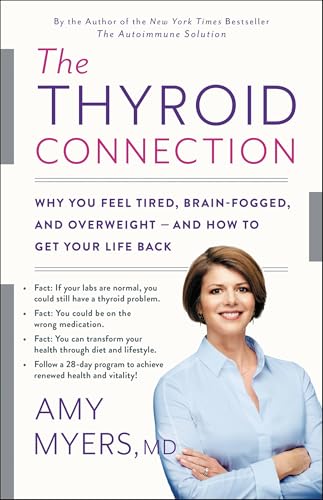
The Thyroid Connection: Why You Feel Tired, Brain-Fogged, and Overweight - and How to Get Your Life Back: Amy Myers MD
I myself had Graves' disease, an ... in my functional medicine clinic in Austin, Texas. Amy Myers, MD, is a <strong>specialist in autoimmune diseases</strong> whose career was set in motion by he
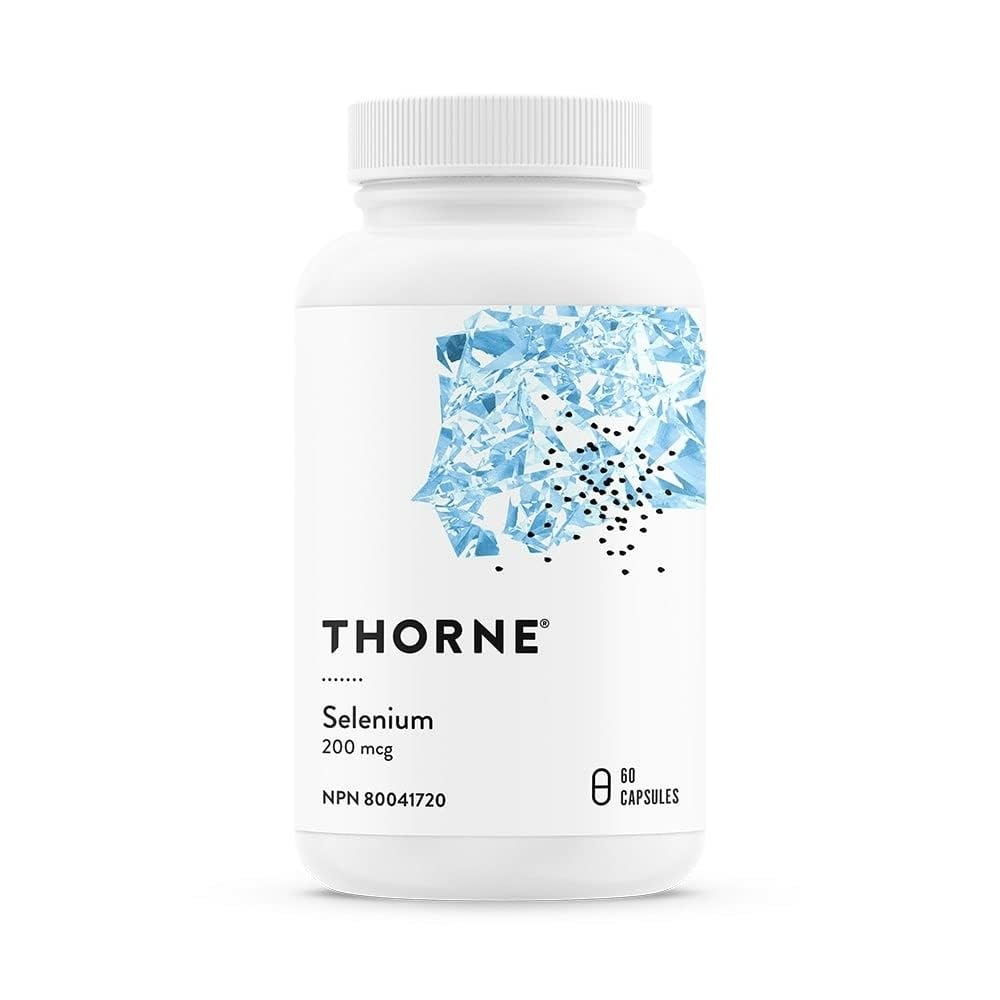
THORNE - Selenium - 200 mcg Selenium Supplement for Antioxidant Support* - 60 Capsules : Everything Else
One Capsule Contains: Selenium (as L-Selenomethionine) 200 mcg.

Everlywell at
... AT-HOME LAB TESTING: <strong>This easy-to-use, at-home lab test collection kit helps you measure your levels for the 3 main thyroid hormones (TSH, Free T3, and Free T4) plus thyroid antibodies (TP
Evidence & Sources
Supported by multiple clinical trials and systematic reviews
- American Thyroid Association
- National Institute of Diabetes and Digestive and Kidney Diseases (NIDDK)
- National Center for Complementary and Integrative Health (NCCIH)
- World Health Organization (WHO)
- The Lancet
- New England Journal of Medicine
- Journal of Clinical Endocrinology & Metabolism
- Thyroid
This content is for informational purposes only and does not constitute medical advice. Always consult a qualified healthcare provider before starting, stopping, or changing any supplement or medication regimen.