

Thyroid
Also known as: Thyroid Gland, Thyroid Hormones
Overview
The thyroid is a small, butterfly-shaped gland located at the front of the neck that plays an outsized role in whole-body regulation. It produces the hormones thyroxine (T4) and triiodothyronine (T3), which help govern metabolism, energy production, body temperature, heart rate, digestive function, growth, and aspects of mood and cognition. Thyroid activity is coordinated through the hypothalamic-pituitary-thyroid (HPT) axis, with thyroid-stimulating hormone (TSH) acting as a key signaling messenger. Because thyroid hormones influence nearly every organ system, even mild dysfunction can have broad effects.
Thyroid disorders are common worldwide and include hypothyroidism (underactive thyroid), hyperthyroidism (overactive thyroid), autoimmune conditions such as Hashimoto’s thyroiditis and Graves’ disease, thyroid nodules, goiter, thyroiditis, and less commonly thyroid cancer. Symptoms can be nonspecific and develop gradually. Low thyroid function is often associated with fatigue, cold intolerance, constipation, dry skin, menstrual changes, and slowed metabolism, while excess thyroid hormone may be associated with heat intolerance, palpitations, anxiety, tremor, weight loss, and sleep disruption. In some cases, structural thyroid changes occur without obvious symptoms and are discovered through examination or imaging.
From a public health perspective, the thyroid has long been linked to iodine nutrition, since iodine is essential for thyroid hormone production. Severe iodine deficiency remains an important global cause of thyroid enlargement and hypothyroidism, while in many higher-income countries autoimmune thyroid disease is a leading cause of dysfunction. Pregnancy, the postpartum period, family history, aging, certain medications, radiation exposure, and coexisting autoimmune disease can all influence thyroid health. Because thyroid function intersects with cardiovascular, reproductive, neurologic, and metabolic health, evaluation typically considers the person as a whole rather than the gland in isolation.
Research and traditional healing systems both recognize that thyroid imbalance often presents as a system-wide pattern rather than a single isolated symptom. Conventional medicine emphasizes hormone measurement, imaging, and diagnosis of specific disorders. Eastern and traditional systems more often interpret thyroid-related symptoms through broader patterns involving energy, heat/cold balance, digestion, stress adaptation, and tissue nourishment. Across approaches, a balanced and cautious framework is important, as symptoms similar to thyroid dysfunction can also arise from anemia, menopause, chronic stress, nutrient deficiency, depression, or other endocrine conditions. Consultation with a qualified healthcare professional is important for accurate evaluation.
Medical Perspectives
Two Ways of Seeing Health

Western
scientific · clinical
Western medicine applies science, technology, and clinical experience to treat symptoms through testing, diagnosis, and targeted intervention.

Eastern
traditional · alternative
Eastern medicine focuses on treating the body naturally by applying traditional knowledge practiced for thousands of years, emphasizing balance and whole-person wellness.
Gold Bamboo presents both perspectives side-by-side so you can make informed decisions. We don't advocate for one over the other — your health choices are yours.
Western Medicine Perspective
Western Medicine Perspective
In conventional medicine, the thyroid is understood as a core endocrine organ whose function is assessed primarily through laboratory testing and, when needed, imaging or antibody studies. Common tests include TSH, free T4, and sometimes free T3, along with thyroid autoantibodies such as thyroid peroxidase (TPO) antibodies or TSI/TRAb when autoimmune disease is suspected. Ultrasound may be used to evaluate nodules, enlargement, or inflammatory changes, and fine-needle aspiration can help assess suspicious nodules. This framework allows clinicians to distinguish among primary hypothyroidism, hyperthyroidism, transient thyroiditis, subclinical dysfunction, autoimmune thyroid disease, and structural abnormalities.
Conventional medicine generally classifies thyroid disorders by cause and hormone status. Hypothyroidism is commonly linked to Hashimoto’s thyroiditis, iodine deficiency in some regions, thyroid surgery, radiation, or certain medications. Hyperthyroidism is often associated with Graves’ disease, toxic multinodular goiter, or thyroiditis. Thyroid dysfunction is also relevant in pregnancy, fertility assessment, cholesterol disorders, atrial fibrillation, osteoporosis risk, and developmental health in infants and children. Studies indicate that untreated thyroid disease can affect multiple systems, which is why accurate diagnosis and ongoing monitoring are emphasized in standard care.
The western approach is strongly evidence-based in terms of screening selected populations, defining laboratory thresholds, and monitoring hormone balance over time, though some areas remain debated, such as management of subclinical disease or the interpretation of symptoms when lab values are borderline. Nutrition also receives attention, particularly iodine, selenium, and the effects of medications or excess supplementation. However, conventional medicine generally cautions against assuming that all fatigue, weight change, or mood symptoms are caused by the thyroid alone, and encourages a differential diagnosis supported by testing rather than symptom pattern alone.
Eastern & Traditional Perspective
Eastern/Traditional Medicine Perspective
In Traditional Chinese Medicine (TCM), the thyroid is not usually viewed as a standalone gland in the modern biomedical sense, but thyroid-related symptoms may be interpreted through patterns involving the Kidney, Spleen, Liver, and Heart systems, as well as the movement of Qi, Blood, Yin, Yang, and Phlegm. For example, symptoms resembling hypothyroid patterns may be associated with Yang deficiency, low metabolic fire, fluid accumulation, or Spleen-Kidney imbalance, while symptoms resembling hyperthyroid patterns may be framed as Yin deficiency with empty heat, Liver fire, or agitation of the Shen. Nodules or goiter have traditionally been linked to phlegm accumulation, Qi stagnation, and localized masses. TCM assessment generally emphasizes the overall pattern of symptoms, pulse, tongue findings, digestion, sleep, and emotional state.
In Ayurveda, thyroid-related symptoms are often considered within the framework of dosha imbalance, particularly involving Kapha, Vata, and Pitta, as well as agni (digestive/metabolic fire) and tissue nourishment. Slowed metabolism, heaviness, coldness, and edema may be interpreted as a Kapha-dominant or low-agni pattern, while restlessness, heat, irritability, and tissue depletion may be seen through a Pitta-Vata lens. Rather than isolating one hormone pathway, Ayurveda traditionally examines how endocrine-like symptoms relate to digestion, stress resilience, sleep, emotional balance, and constitutional tendencies.
Other traditional and integrative systems, including naturopathic and functional approaches, often discuss the thyroid in connection with stress physiology, autoimmunity, micronutrient status, gut-immune interactions, and inflammatory burden. Some of these ideas overlap with emerging biomedical research, especially around autoimmune disease and nutrition, while others remain less standardized or less rigorously studied. Evidence for traditional therapies specifically targeting thyroid disorders varies considerably; some herbal, dietary, and mind-body strategies have longstanding traditional use, but high-quality clinical evidence is often limited. As a result, integrative care models typically emphasize individualized assessment and coordination with licensed healthcare professionals, especially because thyroid hormone imbalance can have significant systemic consequences.
Supplements & Products
Recommended Products
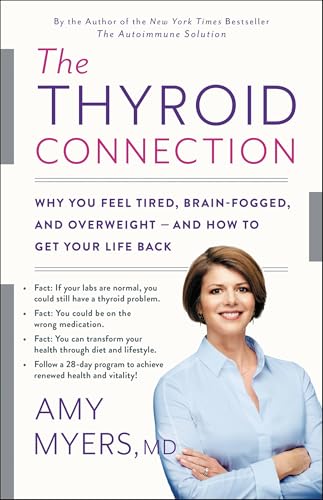
The Thyroid Connection: Why You Feel Tired, Brain-Fogged, and Overweight - and How to Get Your Life Back: Amy Myers MD
I myself had Graves' disease, an ... in my functional medicine clinic in Austin, Texas. Amy Myers, MD, is a <strong>specialist in autoimmune diseases</strong> whose career was set in motion by he

Life Extension Super Selenium Complex, 200 mcg – 3 Forms of Selenium, Vitamin E – Cellular Health & Longevity Support – Gluten-Free, Non-GMO, Vegetarian, 1 Daily – 100 Capsules
This once-daily selenium supplement <strong>combines vitamin E with three forms of selenium—50 mcg of L-selenomethionine, 50 mcg of sodium selenite, and 100 mcg of Se-Methyl L-Selenocysteine</strong>—

Everlywell at
... AT-HOME LAB TESTING: <strong>This easy-to-use, at-home lab test collection kit helps you measure your levels for the 3 main thyroid hormones (TSH, Free T3, and Free T4) plus thyroid antibodies (TP
Evidence & Sources
Supported by multiple clinical trials and systematic reviews
- National Institute of Diabetes and Digestive and Kidney Diseases (NIDDK)
- American Thyroid Association
- National Institute for Health and Care Excellence (NICE)
- World Health Organization (WHO)
- National Center for Complementary and Integrative Health (NCCIH)
- The Lancet Diabetes & Endocrinology
- The New England Journal of Medicine
- Endocrine Reviews
This content is for informational purposes only and does not constitute medical advice. Always consult a qualified healthcare provider before starting, stopping, or changing any supplement or medication regimen.