

Testicular Function
Also known as: Testes, Testicular Health, Male Gonadal Function, Testicle Function
Overview
Testicular function refers to the two primary biological roles of the testes: production of sperm (spermatogenesis) and production of hormones, especially testosterone. These functions are central to male reproductive health, sexual development, fertility, libido, body composition, bone maintenance, mood, and aspects of energy regulation. The testes operate within a broader endocrine network often called the hypothalamic-pituitary-gonadal (HPG) axis, in which signals from the brain regulate testicular activity through luteinizing hormone (LH) and follicle-stimulating hormone (FSH).
Testicular function changes across the lifespan. During fetal development and puberty, testosterone helps shape sexual differentiation and maturation. In adulthood, healthy testicular activity supports sperm production and contributes to maintenance of muscle mass, red blood cell production, sexual function, and overall reproductive capacity. Function may be affected by age, genetics, injury, infection, varicocele, chronic illness, obesity, medications, environmental exposures, heat, and disruptions in pituitary or hypothalamic signaling.
From a health perspective, concerns related to testicular function often include male infertility, low testosterone states, delayed or abnormal puberty, erectile or libido changes, and symptoms such as fatigue, reduced muscle mass, or decreased shaving frequency. However, these symptoms are not specific to the testes alone and may reflect broader metabolic, endocrine, vascular, psychological, or sleep-related factors. Because of this, evaluation generally considers the entire hormonal and reproductive system rather than the testes in isolation.
In integrative and alternative medicine contexts, testicular function is frequently discussed in relation to male vitality, fertility support, hormone balance, and constitutional health. Traditional systems may interpret impaired reproductive function through different frameworks than modern endocrinology, yet often emphasize similar influencing factors such as nutrition, stress, rest, circulation, and systemic resilience. A balanced view recognizes that testicular health can be shaped by both measurable biological mechanisms and broader lifestyle and constitutional patterns, while assessment of persistent symptoms is best guided by qualified healthcare professionals.
Medical Perspectives
Two Ways of Seeing Health

Western
scientific · clinical
Western medicine applies science, technology, and clinical experience to treat symptoms through testing, diagnosis, and targeted intervention.

Eastern
traditional · alternative
Eastern medicine focuses on treating the body naturally by applying traditional knowledge practiced for thousands of years, emphasizing balance and whole-person wellness.
Gold Bamboo presents both perspectives side-by-side so you can make informed decisions. We don't advocate for one over the other — your health choices are yours.
Western Medicine Perspective
Western Medicine Perspective
In conventional medicine, testicular function is understood through endocrinology, reproductive biology, and andrology. The testes contain Leydig cells, which produce testosterone in response to LH, and Sertoli cells, which support sperm development in response to FSH and local testosterone signaling. Spermatogenesis is a highly coordinated process that depends on intact hormonal signaling, normal testicular temperature regulation, sufficient nutritional status, and absence of major structural or genetic abnormalities. Laboratory assessment may include total and free testosterone-related measures, LH, FSH, prolactin, estradiol, semen analysis, thyroid testing, iron studies in selected cases, and sometimes genetic or imaging evaluation.
A western clinical approach distinguishes between primary testicular dysfunction and secondary causes originating in the pituitary or hypothalamus. Primary dysfunction may result from genetic conditions, testicular torsion, trauma, chemotherapy, radiation, mumps orchitis, or age-related decline in reserve. Secondary dysfunction may be associated with pituitary disorders, significant stress, obesity, sleep apnea, medication effects, systemic illness, or anabolic steroid use. In fertility medicine, additional factors such as varicocele, infection, ductal obstruction, and oxidative stress are also considered.
Research suggests that testicular function is closely linked with overall health status. Low testosterone is associated in some studies with obesity, metabolic syndrome, type 2 diabetes, and chronic inflammatory burden, though causality is complex and bidirectional. Similarly, impaired semen parameters may reflect environmental exposures, febrile illness, tobacco use, alcohol excess, endocrine-disrupting chemicals, and nutritional factors. Conventional medicine therefore often views testicular health not only as a reproductive issue but also as part of broader systemic health.
At the same time, western medicine emphasizes that testosterone levels and fertility are not interchangeable: a person may have normal testosterone with impaired sperm production, or low testosterone with preserved fertility. This distinction is important in both diagnosis and research. Persistent concerns about reproductive function, hormonal symptoms, or testicular changes are generally evaluated medically to clarify whether the issue is endocrine, structural, infectious, genetic, or related to lifestyle and comorbid disease.
Eastern & Traditional Perspective
Eastern/Traditional Medicine Perspective
In Traditional Chinese Medicine (TCM), testicular and male reproductive function is often discussed within the broader framework of Kidney essence (Jing), Kidney yang, and the balance of qi and blood. Reproductive vitality, fertility, libido, and developmental strength are traditionally linked to the Kidney system, which in TCM represents more than the anatomical kidneys. Patterns such as Kidney yang deficiency, Kidney yin deficiency, qi stagnation, damp-heat in the lower burner, or blood stasis may be used to describe presentations involving reduced fertility, low sexual vitality, weakness, or scrotal discomfort, depending on the accompanying symptom picture.
TCM approaches have historically included individualized combinations of herbal formulas, acupuncture, dietary therapy, and lifestyle regulation aimed at supporting systemic balance rather than targeting testosterone or sperm counts directly in biomedical terms. Some modern studies suggest acupuncture and certain traditional herbal strategies may have effects on stress regulation, circulation, inflammatory signaling, or semen parameters, but findings remain mixed and methodology varies. As a result, the traditional rationale remains stronger than the modern evidence base for many specific applications.
In Ayurveda, male reproductive health is often related to Shukra dhatu (reproductive tissue) and the vitality concept of ojas. Classical Ayurvedic interpretation may associate diminished reproductive strength with depletion, chronic stress, poor digestion and assimilation, excess heat, or broader constitutional imbalance. Traditional Ayurvedic care has used diet, rejuvenative practices, sleep regulation, stress reduction, and botanicals categorized as rasayanas or vajikarana to support reproductive vigor and vitality.
In naturopathic and other traditional systems, testicular function is commonly viewed through the lens of whole-person health: endocrine balance, micronutrient sufficiency, environmental toxin burden, circulation, inflammation, and stress physiology. This perspective often overlaps with modern functional and lifestyle-based frameworks, although claims may sometimes extend beyond current evidence. An integrative interpretation generally acknowledges that traditional systems can offer useful models of systemic support, while questions involving infertility, hormonal deficiency, or structural testicular disease warrant careful evaluation by licensed healthcare professionals.
Supplements & Products
Recommended Products
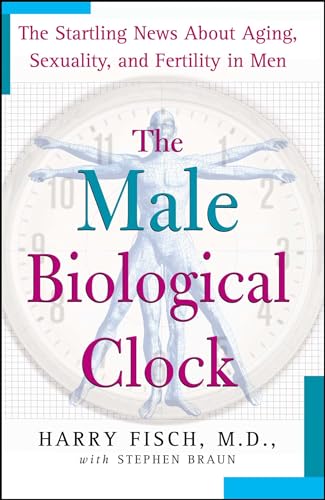
The Male Biological Clock: The Startling News About Aging, Sexuality, and Fertility in Men: Fisch, Harry, Braun, Stephen
Henry Fisch <strong>emphasizes that even young men can have testosterone levels as low as those of much older men, leading to infertility, sexual problems, and other serious health issues</strong>.
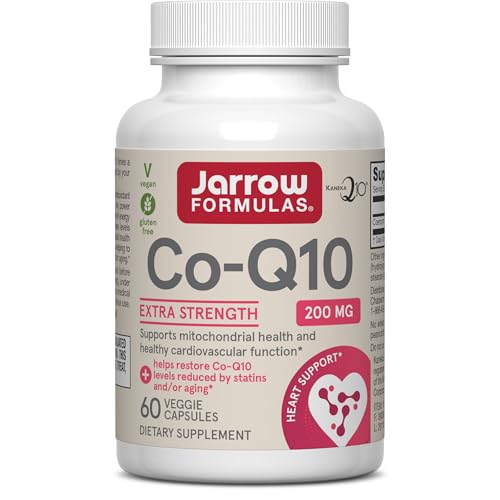
Jarrow Formulas® Co-Q10, 200 mg, Antioxidant Support for Mitochondrial Health, Cellular Energy Production and Healthy Cardiovascular Function, 60 Veggie Capsules, 60 Day Supply
Coenzyme Q10: <strong>Each capsule of Jarrow Formulas Co-Q10 provides 200 mg of Coenzyme Q10 per serving</strong>, an element for cellular energy production.*

YO Home Sperm Test | #1 FDA Cleared Home Semen Analysis | Tests Sperm Concentration, Motility, Progressive Motility, and More with 97% Accuracy | No Mail-in or Lab Visit | Includes 3 Tests
It’s <strong>fast, reliable, and the most extensively validated at-home semen analysis system on the market today</strong>. The results are based on current World Health Organization 6th Edition stand
Evidence & Sources
Promising research with growing clinical support from multiple studies
- Endocrine Reviews
- The Journal of Clinical Endocrinology & Metabolism
- World Health Organization (WHO)
- American Urological Association
- American Society for Reproductive Medicine
- National Institute of Diabetes and Digestive and Kidney Diseases (NIDDK)
- National Center for Complementary and Integrative Health (NCCIH)
- Human Reproduction Update
This content is for informational purposes only and does not constitute medical advice. Always consult a qualified healthcare provider before starting, stopping, or changing any supplement or medication regimen.