

Telomeres
Also known as: Chromosome Caps, DNA Ends
Overview
Telomeres are repetitive DNA-protein structures that cap the ends of chromosomes, helping preserve genetic stability each time a cell divides. Often compared to the plastic tips on shoelaces, telomeres help prevent chromosome ends from being mistaken for broken DNA. Over time, telomeres generally shorten as part of normal cellular replication, and this process has become an important area of research in aging, cellular senescence, and chronic disease.
In human biology, telomere length is influenced by multiple factors, including age, inherited genetics, oxidative stress, inflammation, and environmental exposures. Research suggests that shorter telomeres are associated with a range of age-related conditions, including cardiovascular disease, metabolic dysfunction, and some immune and degenerative disorders. At the same time, telomere biology is complex: short telomeres may reflect cumulative biological stress, while excessive telomerase activity, the enzyme system that can rebuild telomeres, is also relevant in cancer biology because many cancer cells use telomerase to support uncontrolled replication.
Telomeres have attracted public interest because they are sometimes described as a marker of "biological age" rather than simply chronological age. However, this idea has important limits. Telomere length varies between tissues and individuals, and a single measurement does not fully capture a person’s health status or aging trajectory. Studies indicate telomere dynamics are best understood as one biomarker within a broader network that includes mitochondrial function, epigenetic changes, inflammation, and metabolic health.
Clinically, telomere biology is most clearly relevant in rare disorders known as telomere biology disorders or short telomere syndromes, which may contribute to bone marrow failure, pulmonary fibrosis, liver disease, and premature aging features. Outside these settings, telomere testing remains an evolving field. Interest also exists around lifestyle, mind-body practices, and nutrition in relation to telomere maintenance, but this area is still developing and generally reflects associations rather than simple cause-and-effect conclusions. For that reason, telomeres are best viewed as a scientifically important lens on aging and resilience, not a standalone diagnostic answer.
Medical Perspectives
Two Ways of Seeing Health

Western
scientific · clinical
Western medicine applies science, technology, and clinical experience to treat symptoms through testing, diagnosis, and targeted intervention.

Eastern
traditional · alternative
Eastern medicine focuses on treating the body naturally by applying traditional knowledge practiced for thousands of years, emphasizing balance and whole-person wellness.
Gold Bamboo presents both perspectives side-by-side so you can make informed decisions. We don't advocate for one over the other — your health choices are yours.
Western Medicine Perspective
Western Medicine Perspective
From a conventional biomedical perspective, telomeres are central to understanding cellular aging and genomic integrity. Each round of cell division leads to partial telomere shortening because standard DNA replication cannot fully copy chromosome ends, a phenomenon often called the end-replication problem. When telomeres become critically short, cells may enter senescence or undergo apoptosis, which can help prevent genomic instability but may also contribute to tissue aging over time. This framework has made telomeres an important topic in molecular biology, geriatrics, oncology, and preventive medicine research.
Western medicine also recognizes the role of telomerase, a ribonucleoprotein enzyme that can extend telomeres in certain cell types such as stem cells, germ cells, and many cancer cells. In this context, telomere biology has a dual significance: insufficient maintenance may contribute to degenerative disease and impaired tissue renewal, while excessive or dysregulated maintenance may support malignant transformation. Research on telomerase has therefore become relevant both for rare inherited syndromes and for cancer therapeutics.
In clinical medicine, telomere testing is not part of routine health screening for the general population. Its most established use is in specialized evaluation of suspected short telomere syndromes, especially when patients present with unexplained pulmonary fibrosis, aplastic anemia, dyskeratosis congenita, early graying, or family histories suggestive of inherited telomere dysfunction. For the broader public, studies linking stress, sleep, physical activity, diet quality, and psychosocial factors with telomere length are viewed as promising but not definitive. Conventional medicine generally interprets these findings cautiously, emphasizing that telomere length is a research biomarker with meaningful associations, yet limited standalone diagnostic or prognostic value in everyday care.
Eastern & Traditional Perspective
Eastern and Traditional Medicine Perspective
Traditional medical systems such as Traditional Chinese Medicine (TCM) and Ayurveda do not describe telomeres in modern genetic terms, but they have long addressed themes that overlap conceptually with telomere research, including aging, vitality, resilience, depletion, and regenerative capacity. In TCM, healthy aging is often discussed through the balance and preservation of Jing (essence), Kidney system vitality, and the smooth circulation of Qi and Blood. From this perspective, accelerated decline may be interpreted as a pattern of constitutional depletion, chronic stress burden, inflammatory imbalance, or impaired restorative function.
In Ayurveda, parallels are often drawn with ojas, dhatus, agni, and rasayana traditions, which concern tissue nourishment, metabolic balance, adaptive strength, and longevity. Classical frameworks do not identify telomeres specifically, yet traditional theory has long emphasized that sustained stress, poor digestion, sleep disruption, and imbalance in daily rhythms may contribute to premature aging. Practices historically associated with healthy aging in these systems include dietary regulation, restorative routines, meditation, breathing practices, and botanical tonics traditionally used to support longevity.
Modern integrative medicine sometimes explores whether mind-body practices and traditional lifestyle patterns may influence telomere-related pathways through effects on stress physiology, inflammation, and oxidative load. Some early studies suggest meditation, yoga, tai chi, and broader lifestyle interventions may correlate with favorable telomerase activity or slower telomere attrition, but findings remain mixed and methods vary. As a result, eastern and traditional perspectives are often presented today as supportive frameworks for whole-person resilience, rather than as direct or validated methods for altering telomere length in a predictable way.
A balanced interpretation is that traditional systems contribute valuable insights about long-term regulation, restoration, and preventive self-care, while modern science continues to investigate whether these concepts map onto measurable telomere biology. Integrative discussions typically note that individuals with health concerns related to aging, fatigue, or complex chronic illness benefit from evaluation by qualified healthcare professionals, especially because telomere-related disorders can have serious medical implications.
Supplements & Products
Recommended Products
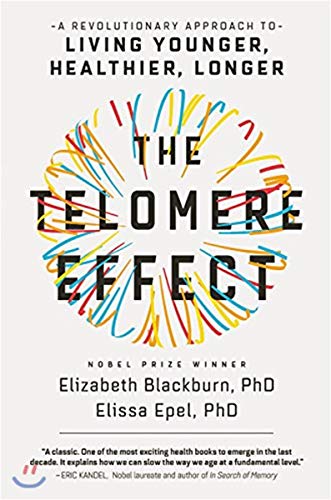
The Telomere Effect: A Revolutionary Approach to Living Younger, Healthier, Longer: Blackburn, Dr. Elizabeth, Epel, Dr. Elissa
This New York Times bestselling book—coauthored by a Nobel Prize Winner and a health psychologist—<strong>explores the aging process and how specific lifestyle changes related to telomeres can increas

NOW Foods Immune Support Supplements, Astragalus Extract 500 mg (Standardized to 70% Polysaccharides), 90 Veg Capsules
Standardized to 70% Polysaccharides <strong>Supports Healthy Immune Cell Function</strong>* For more than 2000 years, Chinese herbalists have valued astragalus for its adaptogenic properties, as well

Nordic Naturals Ultimate Omega, Lemon Flavor - 90 Soft Gels - 1280 mg Omega-3 - High-Potency Omega-3 Fish Oil Supplement with EPA & DHA - Promotes Brain & Heart Health - Non-GMO - 45 Servings
Buy Nordic Naturals Ultimate Omega, Lemon Flavor - 90 Soft Gels - 1280 mg Omega-3 - High-Potency Omega-3 Fish Oil Supplement with EPA & DHA - Promotes Brain & Heart Health - Non-GMO - 45 Servi
Evidence & Sources
Promising research with growing clinical support from multiple studies
- Nature Reviews Molecular Cell Biology
- The Lancet Oncology
- New England Journal of Medicine
- National Institutes of Health (NIH)
- National Center for Complementary and Integrative Health (NCCIH)
- World Health Organization (WHO)
- Cell
- Proceedings of the National Academy of Sciences (PNAS)
This content is for informational purposes only and does not constitute medical advice. Always consult a qualified healthcare provider before starting, stopping, or changing any supplement or medication regimen.