

Skin
Also known as: Dermis, Epidermis
Overview
Skin is the body’s largest organ and one of its most complex protective systems. It forms the interface between the internal body and the outside environment, helping regulate temperature, prevent water loss, support immune defense, and provide sensation such as touch, pain, pressure, and temperature. Structurally, skin is commonly described in three main layers: the epidermis, the dermis, and the subcutaneous tissue beneath. These layers contain specialized cells, connective tissue, blood vessels, nerves, hair follicles, sweat glands, and immune components that work together to maintain barrier function and tissue repair.
Skin health is central to overall health. Because the skin acts as the first line of defense against microbes, chemicals, ultraviolet radiation, and physical injury, disruption of this barrier can affect comfort, appearance, and systemic well-being. Common skin-related concerns include dryness, rashes, eczema, acne, psoriasis, pigment changes, infections, and wounds. Skin can also reflect broader internal processes, including hormonal shifts, nutritional status, autoimmune activity, allergic responses, metabolic conditions, and stress-related changes.
From a public health perspective, skin conditions are extremely common worldwide and contribute substantially to quality-of-life burden. Although many are not life-threatening, they can be chronic, visible, uncomfortable, and socially distressing. Research has also shown that the skin participates in complex biologic processes beyond simple protection, including immune signaling, microbiome interactions, vitamin D synthesis, and communication with the nervous and endocrine systems. This has increased scientific interest in the skin as an active organ rather than a passive covering.
A balanced understanding of skin health often includes both conventional dermatology and traditional healing frameworks. Western medicine tends to focus on anatomy, pathology, inflammation, infection, genetics, and barrier science. Eastern and traditional systems often interpret skin changes as reflections of internal imbalance involving digestion, circulation, heat, moisture, stress, or constitutional patterns. Across perspectives, there is broad recognition that skin health is influenced by a combination of environment, lifestyle, immune activity, psychological stress, and underlying medical conditions. Persistent, changing, painful, or unexplained skin symptoms warrant evaluation by a qualified healthcare professional.
Medical Perspectives
Two Ways of Seeing Health

Western
scientific · clinical
Western medicine applies science, technology, and clinical experience to treat symptoms through testing, diagnosis, and targeted intervention.

Eastern
traditional · alternative
Eastern medicine focuses on treating the body naturally by applying traditional knowledge practiced for thousands of years, emphasizing balance and whole-person wellness.
Gold Bamboo presents both perspectives side-by-side so you can make informed decisions. We don't advocate for one over the other — your health choices are yours.
Western Medicine Perspective
Western Medicine Perspective
In conventional medicine, skin is understood as a highly specialized organ with critical roles in barrier protection, thermoregulation, sensory perception, immune surveillance, and wound healing. The outer epidermis, particularly the stratum corneum, is central to preventing water loss and blocking entry of irritants and pathogens. Dermatologic research has shown that disruption of this barrier contributes to many common conditions, including atopic dermatitis, xerosis, and irritant or allergic dermatitis. Conventional medicine also recognizes the importance of the skin microbiome, which interacts with immune pathways and may influence inflammation, infection risk, and chronic skin disease.
Skin disorders are generally classified by mechanism and appearance, such as inflammatory, infectious, autoimmune, neoplastic, pigmentary, or vascular conditions. Evaluation commonly considers lesion type, distribution, timing, triggers, family history, medication exposures, and associated systemic symptoms. In some cases, clinicians use tools such as dermoscopy, biopsy, cultures, patch testing, or laboratory studies to clarify diagnosis. Particular emphasis is placed on identifying signs of potentially serious disease, including rapidly changing pigmented lesions, blistering disorders, extensive infections, or skin findings linked to systemic illness.
Conventional dermatology also emphasizes prevention and long-term maintenance. Research supports the role of sun protection in reducing photoaging and skin cancer risk, and recognizes the importance of preserving the skin barrier through appropriate cleansing and moisturization practices. Evidence-based care varies by condition, but modern medicine generally approaches skin disease through targeted understanding of inflammation, immunity, microbial overgrowth, genetics, and environmental exposure. Because the skin may reflect internal disease, persistent or recurrent symptoms are often assessed in the broader context of whole-body health.
Eastern & Traditional Perspective
Eastern and Traditional Medicine Perspective
In Traditional Chinese Medicine (TCM), the skin is often viewed as being closely connected to the Lung system, which is said to govern the exterior of the body and influence the opening and closing of pores. Skin symptoms may also be interpreted through patterns such as Wind, Heat, Dampness, Dryness, or Blood deficiency/stasis. For example, redness and itching may traditionally be described as manifestations of Wind-Heat, while chronic dryness may be associated with Blood or Yin deficiency. In this framework, skin is not treated as an isolated tissue alone; it is considered a surface expression of internal functional balance involving digestion, circulation, emotional state, and environmental exposure.
In Ayurveda, skin health is commonly linked to the balance of the doshas—especially Pitta (heat and transformation), Kapha (moisture and structure), and Vata (dryness and movement). Different skin presentations may be associated with excess heat, accumulation, dryness, or impaired digestion and metabolism. Classical Ayurvedic thought often relates skin vitality to the quality of rasa and rakta dhatu (nutritive and blood tissues), as well as to digestive strength and the processing of metabolic byproducts. Visible skin disturbance may therefore be interpreted as connected to broader constitutional or systemic imbalance.
Other traditional and integrative systems, including naturopathy and various herbal traditions, often emphasize the relationship between skin and diet, stress, sleep, elimination, and inflammatory load. These traditions have historically used topical botanicals, bathing practices, dietary modification, and mind-body approaches to support skin comfort and resilience. Modern integrative research is exploring some of these approaches, particularly for inflammatory skin conditions, but the strength of evidence varies widely depending on the therapy and condition. As with conventional care, traditional interpretations generally recognize that severe, persistent, infected, or rapidly changing skin findings merit professional evaluation.
Supplements & Products
Recommended Products
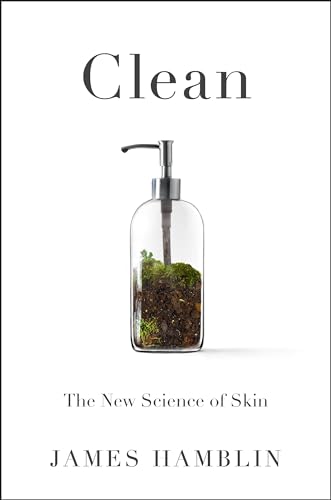
Clean: The New Science of Skin: Hamblin, James
An enormous alternative industry ... In Clean, doctor and journalist James Hamblin <strong>explores how we got here, examining the science and culture of how we care for our skin today</strong>....
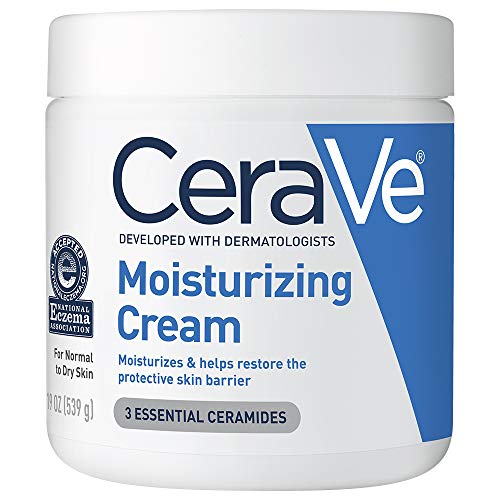
CeraVe Moisturizing Cream, Body and Face Moisturizer for Dry Skin, Body Cream with Hyaluronic Acid and Ceramides, Daily Moisturizer, Oil-Free, Fragrance Free, Non-Comedogenic, 19 Ounce
Amazon.com : CeraVe Moisturizing Cream, Body and Face Moisturizer for Dry Skin, <strong>Body Cream with Hyaluronic Acid and Ceramides</strong>, Daily Moisturizer, Oil-Free, Fragrance Free, Non-Comedog

EltaMD UV Clear Face Sunscreen SPF 46, Oil Free Sunscreen with Zinc Oxide, Dermatologist Recommended, For Acne-Prone Sensitive Skin, 3.7 oz : Everything Else
EltaMD UV Clear Face Sunscreen is an <strong>oil free sunscreen made with Zinc Oxide</strong>. This SPF 46 tinted facial sunscreen is lightweight and helps calm and protect sensitive skin types prone
Evidence & Sources
Supported by multiple clinical trials and systematic reviews
- American Academy of Dermatology
- National Institute of Arthritis and Musculoskeletal and Skin Diseases (NIAMS)
- National Cancer Institute
- World Health Organization (WHO)
- NCCIH (National Center for Complementary and Integrative Health)
- The Lancet
- New England Journal of Medicine
- Journal of Investigative Dermatology
This content is for informational purposes only and does not constitute medical advice. Always consult a qualified healthcare provider before starting, stopping, or changing any supplement or medication regimen.