

Skeletal System
Also known as: Bone System, Skeleton, Osseous System
Overview
The skeletal system is the body's internal framework, composed of bones, cartilage, joints, ligaments, and connective tissues that support posture, movement, and physical stability. In adults, the skeleton contains 206 bones, although this number varies slightly with age and anatomy. Beyond structure, the skeletal system performs several essential biological functions: it protects vital organs such as the brain, heart, and lungs; anchors muscles to enable movement; stores minerals including calcium and phosphorus; and houses bone marrow, where blood cells are produced.
Skeletal health is closely tied to lifelong mobility, balance, and quality of life. During childhood and adolescence, bones grow rapidly and accumulate mass. In adulthood, the skeleton remains dynamic through continuous remodeling, a process in which old bone is broken down and replaced by new bone tissue. Over time, this balance can shift, contributing to reduced bone density, changes in posture, joint wear, and increased fracture risk. For this reason, the skeletal system is commonly discussed in relation to osteoporosis, osteopenia, arthritis, spinal alignment, and age-related frailty.
A number of factors influence skeletal integrity, including genetics, hormones, nutrition, physical activity, body weight, medications, inflammation, and aging. Public health research has highlighted the major impact of skeletal disorders worldwide. Conditions such as osteoporosis, osteoarthritis, low back pain, and fracture-related disability are among the leading contributors to reduced mobility and functional decline, particularly in older adults. Bone health is also interconnected with other body systems, including the endocrine, muscular, immune, and circulatory systems.
From a broader health perspective, the skeletal system is not simply a rigid scaffold but a living, metabolically active system. Bone tissue responds to mechanical stress, endocrine signals, and nutritional status. This helps explain why skeletal health is often evaluated not only through imaging and bone density testing, but also in the context of posture, gait, muscle strength, fall risk, and overall physical resilience. Because symptoms such as bone pain, fractures, height loss, or progressive changes in alignment may reflect underlying conditions, clinical evaluation is often important when concerns arise.
Medical Perspectives
Two Ways of Seeing Health

Western
scientific · clinical
Western medicine applies science, technology, and clinical experience to treat symptoms through testing, diagnosis, and targeted intervention.

Eastern
traditional · alternative
Eastern medicine focuses on treating the body naturally by applying traditional knowledge practiced for thousands of years, emphasizing balance and whole-person wellness.
Gold Bamboo presents both perspectives side-by-side so you can make informed decisions. We don't advocate for one over the other — your health choices are yours.
Western Medicine Perspective
Western Medicine Perspective
In conventional medicine, the skeletal system is understood through anatomy, biomechanics, endocrinology, and cellular remodeling. Bone is a dynamic tissue maintained by the coordinated activity of osteoclasts (cells that resorb bone) and osteoblasts (cells that form bone). Healthy remodeling depends on adequate mineral availability, hormonal balance, and mechanical loading. Factors such as aging, menopause, low physical activity, chronic inflammation, malabsorption, long-term corticosteroid use, and certain endocrine disorders can disrupt this process and contribute to bone loss or structural weakness.
Western medicine commonly evaluates skeletal health through history, physical examination, imaging, and laboratory testing. Depending on the concern, this may include X-rays for fractures and alignment, MRI or CT for more detailed structural assessment, and bone mineral density testing such as dual-energy X-ray absorptiometry (DXA) to assess osteopenia or osteoporosis. Blood tests may be used to examine calcium, vitamin D, parathyroid hormone, inflammatory markers, or other contributors to bone and joint symptoms. Conventional care also distinguishes among different categories of skeletal disorders, including metabolic bone disease, degenerative joint disease, trauma, congenital abnormalities, infection, and malignancy.
Research in orthopedics, rheumatology, geriatrics, and rehabilitation suggests that maintaining skeletal health involves a broad systems-based view rather than focusing on bones alone. Studies indicate that muscle strength, balance, nutrition, fall prevention, and hormonal health all influence fracture risk and long-term mobility. In this model, the skeleton is closely linked with the muscular system in what is sometimes called the musculoskeletal system, reflecting the reality that posture and movement depend on both structural support and functional control.
When skeletal conditions are suspected or diagnosed, conventional management varies by cause and severity. Approaches may include monitoring, rehabilitation, nutritional assessment, medication review, fracture prevention strategies, and specialty care from orthopedists, endocrinologists, rheumatologists, or physical medicine clinicians. Medical organizations generally emphasize early evaluation of persistent bone pain, recurrent fractures, sudden height loss, deformity, or significant changes in mobility.
Eastern & Traditional Perspective
Eastern / Traditional Medicine Perspective
In Traditional Chinese Medicine (TCM), the skeletal system is often understood through the concept that the Kidneys govern the bones and nourish the marrow. In this framework, bone strength, spinal stability, and the condition of the teeth are associated with the quality of Kidney essence (Jing), a foundational substance related to growth, aging, and constitutional vitality. Weakness of the lower back and knees, developmental delays, frailty with aging, or poor recovery after illness may be interpreted as signs of deficiency affecting the bones and marrow. TCM also considers the flow of Qi and Blood through the channels, with stagnation or obstruction sometimes linked to pain, stiffness, or impaired movement.
Traditional East Asian approaches often assess skeletal concerns in a broader functional pattern rather than as isolated structural problems. Posture, gait, chronic pain, constitutional weakness, and age-related decline may be viewed through interconnected patterns involving Kidney deficiency, Liver blood insufficiency, dampness, cold, or blood stasis. Therapeutic traditions may include acupuncture, movement practices such as tai chi or qigong, manual therapies, and herbal systems that have historically been used to support strength, balance, and musculoskeletal comfort. Contemporary research has explored some of these modalities, especially for balance, pain, and fall reduction, though evidence quality varies depending on the intervention and outcome studied.
In Ayurveda, the skeletal system is primarily associated with Asthi Dhatu, the tissue layer related to bones, teeth, and structural support. Asthi is understood to be nourished through digestion and tissue metabolism, and imbalance may be linked with degeneration, dryness, cracking joints, weakness, or changes associated with aging. These patterns are often discussed in relation to Vata dosha, particularly when symptoms involve degeneration, brittleness, instability, or pain that worsens with age, depletion, or overexertion. Traditional Ayurvedic interpretation places strong emphasis on overall tissue nourishment, daily routine, and systemic balance rather than viewing bone health as an isolated issue.
In naturopathic and integrative traditions, skeletal health is often framed around the interplay of nutrition, digestion, inflammation, physical alignment, movement, and endocrine health. These systems may emphasize the importance of mineral status, sunlight exposure, weight-bearing activity, and whole-person assessment. While many traditional frameworks offer long-standing concepts relevant to structural health and aging, their explanatory models differ from modern biomedical science. For that reason, integrative discussions often note that traditional use and modern clinical evidence are not always the same, and evaluation by qualified healthcare professionals remains important when significant skeletal symptoms or suspected bone disease are present.
Supplements & Products
Recommended Products

The Whole-Body Approach to Osteoporosis: How to Improve Bone Strength and Reduce Your Fracture Risk (The New Harbinger Whole-Body Healing Series): R. Keith McCormick
The Whole-Body Approach to Osteoporosis: <strong>How to Improve Bone Strength and Reduce Your Fracture Risk</strong> (The New Harbinger Whole-Body Healing Series) [R. Keith McCormick] on Amazon.com.
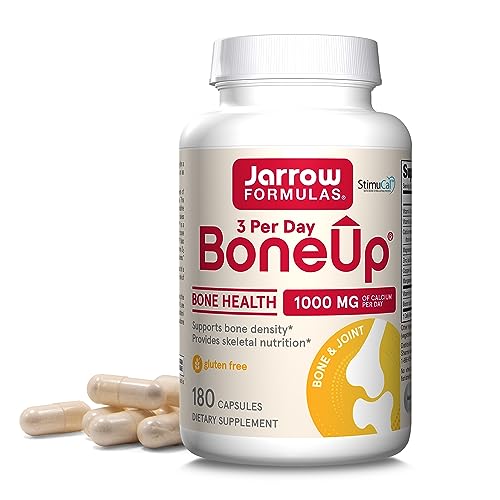
Jarrow Formulas BoneUp Three Per Day for Bone Density and Skeletal Nutrition, Includes Vitamin D3, K2 (as MK-7) and Calcium, 180 Capsules, 60 Day Supply
Jarrow Formulas BoneUp Three Per ... health support.(1) <strong>3 capsules of BoneUp® provide 1000 milligrams of StimuCal MicroCrystalline HydroxyApatite (MCHA), vitamin D3, vitamin K2, boron, and tra

Hyperwear Hyper Vest FIT Weighted Vest for Women Walking & Bone Health – Adjustable 10 lb USA Steel Weights, Machine Washable – Osteoporosis Exercise, No Chest Weights
RECOMMENDED FOR OSTEOPOROSIS & BONE HEALTH—<strong>fully adjustable 10 lb capacity provides safer bone density stimulation for post-menopausal women</strong>. Turn your 30-60 minute daily walks in
Evidence & Sources
Supported by multiple clinical trials and systematic reviews
- National Institutes of Health (NIH) Osteoporosis and Related Bone Diseases National Resource Center
- World Health Organization (WHO)
- National Institute of Arthritis and Musculoskeletal and Skin Diseases (NIAMS)
- National Center for Complementary and Integrative Health (NCCIH)
- The Lancet
- New England Journal of Medicine
- Journal of Bone and Mineral Research
- Osteoporosis International
This content is for informational purposes only and does not constitute medical advice. Always consult a qualified healthcare provider before starting, stopping, or changing any supplement or medication regimen.