

Respiratory System
Also known as: Breathing System, Lung System
Overview
The respiratory system is the body system responsible for breathing and gas exchange, allowing oxygen to enter the bloodstream and carbon dioxide to be removed. Its major structures include the nose, sinuses, pharynx, larynx, trachea, bronchi, lungs, and diaphragm. Together, these tissues support ventilation, protect against airborne irritants and pathogens, help regulate acid-base balance, and contribute to voice production and smell. Although the lungs are often the most recognized organs in this system, respiratory health depends on coordinated function across the airways, lung tissue, chest wall, nervous system, immune defenses, and circulation.
Respiratory function is central to survival and closely linked with overall health. Common respiratory concerns include upper respiratory infections, asthma, chronic obstructive pulmonary disease (COPD), pneumonia, allergic rhinitis, sleep-disordered breathing, and interstitial lung disease. Environmental and lifestyle factors such as air pollution, tobacco smoke, occupational exposures, allergens, respiratory viruses, and physical conditioning can strongly influence lung function over time. Globally, chronic respiratory diseases remain a major source of illness and disability, and acute respiratory infections continue to contribute substantially to morbidity and mortality.
From a physiological standpoint, breathing involves both mechanical movement of air and microscopic exchange of gases in the alveoli, the tiny air sacs of the lungs. Oxygen diffuses into the blood while carbon dioxide diffuses out to be exhaled. This process depends on healthy airways, intact alveolar membranes, adequate blood flow, and effective respiratory muscle activity. Because of this complexity, respiratory symptoms such as cough, shortness of breath, wheezing, chest tightness, mucus production, or noisy breathing may reflect a wide range of causes, from mild infections to chronic inflammatory or structural disease.
Respiratory health is also increasingly understood as interconnected with other body systems. The lungs interact closely with the cardiovascular system, immune system, nervous system, and metabolism. Conditions such as heart failure, reflux, obesity, anxiety, autoimmune disorders, and systemic inflammation can influence breathing symptoms, while chronic lung disease can affect exercise tolerance, sleep quality, mental health, and cardiovascular risk. For that reason, comprehensive evaluation by qualified healthcare professionals is important when symptoms are persistent, severe, or changing.
Medical Perspectives
Two Ways of Seeing Health

Western
scientific · clinical
Western medicine applies science, technology, and clinical experience to treat symptoms through testing, diagnosis, and targeted intervention.

Eastern
traditional · alternative
Eastern medicine focuses on treating the body naturally by applying traditional knowledge practiced for thousands of years, emphasizing balance and whole-person wellness.
Gold Bamboo presents both perspectives side-by-side so you can make informed decisions. We don't advocate for one over the other — your health choices are yours.
Western Medicine Perspective
Western Medicine Perspective
In conventional medicine, the respiratory system is understood through anatomy, physiology, immunology, microbiology, and pulmonary pathology. Clinicians typically distinguish between disorders of the upper airways, lower airways, lung parenchyma, pleura, pulmonary circulation, and the mechanics of breathing. Diagnostic assessment may include a clinical history, physical examination, pulse oximetry, chest imaging, pulmonary function testing, arterial blood gases, bronchoscopy, allergy evaluation, and laboratory testing, depending on the presentation. Research-supported frameworks also separate obstructive lung disease, such as asthma and COPD, from restrictive processes, such as pulmonary fibrosis or neuromuscular weakness.
Conventional care often focuses on identifying the underlying mechanism involved, including infection, inflammation, bronchospasm, mucus overproduction, impaired gas exchange, structural damage, or environmental exposure. Public health and preventive medicine play a major role in respiratory care, with strong emphasis on smoking cessation, vaccination, air quality improvement, occupational safety, and early recognition of serious disease. Studies indicate that pulmonary rehabilitation, breathing assessment, and structured disease management can improve quality of life in selected chronic conditions.
Modern respiratory medicine is strongly evidence-based in areas such as asthma management, COPD care, pneumonia treatment, sleep apnea evaluation, and critical care support for respiratory failure. At the same time, clinicians recognize that symptoms like chronic cough or breathlessness may be multifactorial and require broader evaluation. Persistent respiratory complaints warrant professional assessment, especially when associated with fever, low oxygen levels, chest pain, unintended weight loss, or coughing up blood.
Eastern & Traditional Perspective
Eastern and Traditional Medicine Perspective
In Traditional Chinese Medicine (TCM), the Lung system is viewed as more than the anatomical lungs alone. It is traditionally described as governing Qi and respiration, dispersing protective energy to the body's surface, regulating the skin and pores, and participating in fluid metabolism. Respiratory symptoms may be interpreted through pattern-based frameworks such as Lung Qi deficiency, Wind invasion, Phlegm accumulation, Heat in the Lung, or dryness affecting the airways. TCM approaches have historically included acupuncture, herbal medicine, breathing practices, and dietary pattern assessment, with the goal of restoring balance rather than targeting a single disease label.
In Ayurveda, respiratory function is often discussed in relation to Prana Vata, along with the balance of Kapha and Pitta in the chest and airways. Traditional descriptions of cough, congestion, breathlessness, and mucus accumulation may be linked to disturbances in doshic balance, digestive function, or environmental influences. Ayurvedic practice has historically used herbal formulations, pranayama, daily routines, and individualized lifestyle assessment as part of a broader constitutional approach.
Other traditional and integrative systems, including naturopathy and mind-body medicine, often emphasize the role of environment, inflammation, immune resilience, breathing mechanics, stress regulation, and exposure reduction in respiratory well-being. Research on some complementary practices—particularly breathing exercises, certain mind-body interventions, and selected acupuncture applications—is growing, though evidence quality varies by condition and intervention. These approaches are generally discussed as complementary frameworks and are best considered in coordination with appropriately qualified healthcare professionals, especially for chronic lung disease or acute breathing problems.
Supplements & Products
Recommended Products
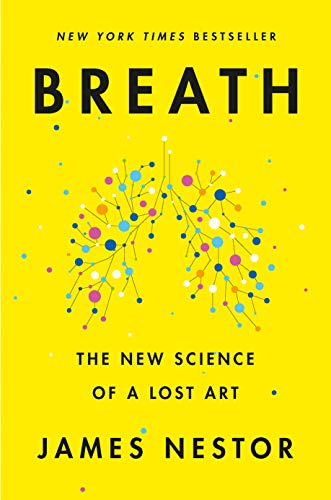
Breath: The New Science of a Lost Art: Nestor, James
Yet, as a species, humans have lost the ability to breathe correctly, with grave consequences. <strong>Journalist James Nestor travels the world to figure out what went wrong and how to fix it</strong

Zacurate Pro Series 500DL Fingertip Pulse Oximeter Blood Oxygen Saturation Monitor with Silicone Cover, Batteries and Lanyard (Royal Black)
Zacurate Pro Series 500DL Fingertip Pulse Oximeter Blood Oxygen Saturation Monitor with Silicone Cover, Batteries and Lanyard (Blushing Pink)
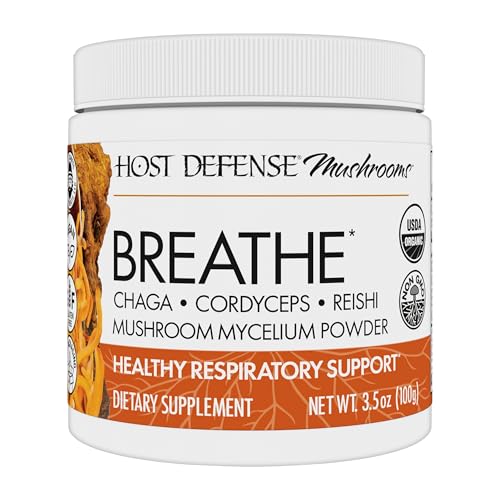
Host Defense Cordyceps Powder - Immune & Energy Support Supplement - Kidney Health Supplement with Cordyceps Mushrooms - Fitness Support Supplement to Aid Oxygen Uptake - 3.5 oz (66 Servings)*
Dietary Cordyceps Powder: Our dietary mushroom supplement with Cordyceps <strong>supports antioxidant activity and lung health for fitness performance and overall health</strong>* About Host Defense:
Evidence & Sources
Supported by multiple clinical trials and systematic reviews
- World Health Organization (WHO)
- National Heart, Lung, and Blood Institute (NHLBI)
- National Institute for Health and Care Excellence (NICE)
- Global Initiative for Asthma (GINA)
- Global Initiative for Chronic Obstructive Lung Disease (GOLD)
- American Thoracic Society
- European Respiratory Journal
- National Center for Complementary and Integrative Health (NCCIH)
This content is for informational purposes only and does not constitute medical advice. Always consult a qualified healthcare provider before starting, stopping, or changing any supplement or medication regimen.