

Reproductive System
Also known as: Genital System, Sexual and Reproductive System, Reproductive Health System
Overview
The reproductive system is the body system responsible for sexual development, fertility, conception, pregnancy, and the production of sex hormones. It includes internal and external organs that differ by sex, along with a complex hormonal signaling network involving the hypothalamus, pituitary gland, ovaries, testes, adrenal glands, and thyroid. Beyond reproduction itself, this system influences menstrual cycles, libido, mood, bone health, muscle mass, metabolism, and overall endocrine balance. Because of these wide-ranging effects, reproductive health is often discussed in connection with both general wellness and quality of life.
In conventional medicine, reproductive health spans areas such as puberty, menstruation, ovulation, erectile function, fertility, pregnancy, menopause, and sexually transmitted infections. Common concerns include irregular menstrual cycles, painful periods, polycystic ovary syndrome (PCOS), endometriosis, infertility, low testosterone, erectile dysfunction, pelvic pain, and symptoms related to perimenopause or menopause. Public health organizations such as the World Health Organization (WHO) also define reproductive health broadly, including physical, mental, and social well-being related to sexuality and reproduction.
Interest in the reproductive system is also especially high in complementary and alternative medicine. People frequently search for information on menstrual wellness, hormonal balance, libido, fertility support, and healthy aging. Traditional systems often view reproductive function as closely tied to energy reserves, circulation, stress resilience, digestion, sleep, and emotional state. This broader lens can make reproductive health a central topic in integrative care, especially for chronic or multifactorial concerns.
Research suggests that reproductive function is influenced by many interrelated factors, including age, genetics, nutrition, body composition, sleep, stress, environmental exposures, medication use, chronic disease, and relationship or mental health factors. For that reason, reproductive concerns are rarely isolated to a single organ. An educational, balanced understanding of this system benefits from considering both the biomedical view of anatomy and hormones and the traditional view of whole-body patterns. Any persistent or significant reproductive symptoms warrant evaluation by a qualified healthcare professional, since they may reflect underlying endocrine, gynecologic, urologic, or systemic conditions.
Medical Perspectives
Two Ways of Seeing Health

Western
scientific · clinical
Western medicine applies science, technology, and clinical experience to treat symptoms through testing, diagnosis, and targeted intervention.

Eastern
traditional · alternative
Eastern medicine focuses on treating the body naturally by applying traditional knowledge practiced for thousands of years, emphasizing balance and whole-person wellness.
Gold Bamboo presents both perspectives side-by-side so you can make informed decisions. We don't advocate for one over the other — your health choices are yours.
Western Medicine Perspective
Western Medicine Perspective
From a conventional medical standpoint, the reproductive system is understood through anatomy, endocrinology, genetics, and physiology. In female reproductive physiology, the ovaries, fallopian tubes, uterus, cervix, vagina, and breasts interact with cyclic hormonal signals involving gonadotropin-releasing hormone (GnRH), follicle-stimulating hormone (FSH), luteinizing hormone (LH), estrogen, progesterone, and prolactin. In male reproductive physiology, the testes, epididymis, vas deferens, prostate, seminal vesicles, and penis function in coordination with testosterone, FSH, LH, and pituitary signaling. These hormone pathways regulate ovulation, sperm production, sexual function, fertility, and secondary sex characteristics.
Conventional medicine evaluates reproductive health using a combination of clinical history, physical examination, laboratory testing, imaging, and sometimes specialized procedures. Depending on the concern, clinicians may assess menstrual pattern, ovulation, semen quality, hormone levels, pelvic anatomy, thyroid function, metabolic markers, or signs of infection and inflammation. Conditions commonly assessed include infertility, endometriosis, uterine fibroids, PCOS, erectile dysfunction, hypogonadism, menopausal symptoms, pelvic inflammatory disease, and reproductive cancers. Preventive care also plays a major role, including screening, contraception counseling, prenatal care, and sexual health evaluation.
Research indicates that reproductive symptoms are often linked to broader health systems. For example, insulin resistance can affect ovulation in PCOS; cardiovascular and metabolic disease can influence erectile function; and thyroid disorders, autoimmune disease, or significant stress can alter menstrual regularity. Conventional care increasingly recognizes these cross-system links, especially in reproductive endocrinology and sexual medicine. At the same time, evidence quality varies depending on the condition and intervention, and some reproductive concerns remain difficult to diagnose or manage.
In evidence-based practice, reproductive care is typically individualized according to cause, life stage, and patient goals. Complementary approaches may be discussed in integrative settings, but conventional medicine generally emphasizes the importance of ruling out serious causes such as ectopic pregnancy, malignancy, severe infection, structural disease, or major endocrine disorders. Consultation with licensed healthcare professionals is important for symptoms such as severe pain, heavy bleeding, infertility, sudden hormonal changes, or sexual dysfunction that persists over time.
Eastern & Traditional Perspective
Eastern/Traditional Medicine Perspective
In Traditional Chinese Medicine (TCM), reproductive health is often understood through the balance of Kidney essence (Jing), Liver qi, Blood, and the Chong and Ren meridians. Menstruation, fertility, libido, and menopausal transition are traditionally seen as reflections of the body’s deeper reserves and the smooth movement of qi and blood. Patterns such as Kidney deficiency, Liver qi stagnation, Blood deficiency, Blood stasis, or Damp-Phlegm accumulation may be used to interpret symptoms like irregular cycles, menstrual pain, low libido, or difficulty conceiving. TCM approaches have traditionally included acupuncture, herbal formulas, dietary therapy, and lifestyle regulation aimed at restoring systemic balance rather than targeting a single reproductive organ.
In Ayurveda, the reproductive system is associated with Shukra dhatu and, in women, with the healthy function of the menstrual and reproductive channels known as artava vaha srotas. Reproductive vitality is often linked to overall nourishment, digestive strength (agni), tissue formation, emotional balance, and the equilibrium of the doshas. Irregular menstruation, low fertility, or reduced sexual vitality may be interpreted through patterns involving vata disturbance, pitta inflammation, or kapha stagnation, depending on the presentation. Traditional Ayurvedic care may include herbs, daily routines, dietary adjustments, body therapies, and mind-body practices intended to support systemic resilience.
In naturopathic and other traditional systems, reproductive wellness is frequently framed through a whole-person lens that includes stress physiology, sleep, micronutrient status, environmental exposures, digestion, and inflammatory burden. These systems often emphasize that reproductive symptoms can reflect broader dysregulation rather than isolated pathology. This perspective has contributed to growing public interest in cycle awareness, fertility awareness, and nonpharmacologic support for common reproductive concerns.
The evidence base for traditional and integrative approaches is mixed. Some studies suggest potential roles for interventions such as acupuncture in select reproductive symptoms, but findings are inconsistent and methodology varies. Traditional frameworks remain influential because they offer individualized interpretations of menstrual health, fertility, and sexual function; however, they are best understood as complementary perspectives rather than replacements for appropriate medical evaluation, especially when symptoms are severe, prolonged, or unexplained.
Supplements & Products
Recommended Products
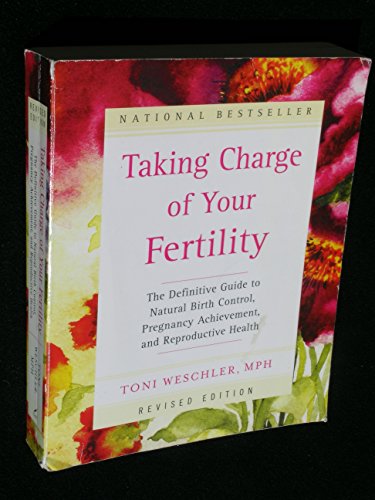
Taking Charge of Your Fertility: The Definitive Guide to Natural Birth Control, Pregnancy Achievement, and Reproductive Health
Since the publication of Taking Charge of your Fertility two decades ago, Toni Weschler has taught a whole new generation of women how to become pregnant, avoid pregnancy naturally and gain better con
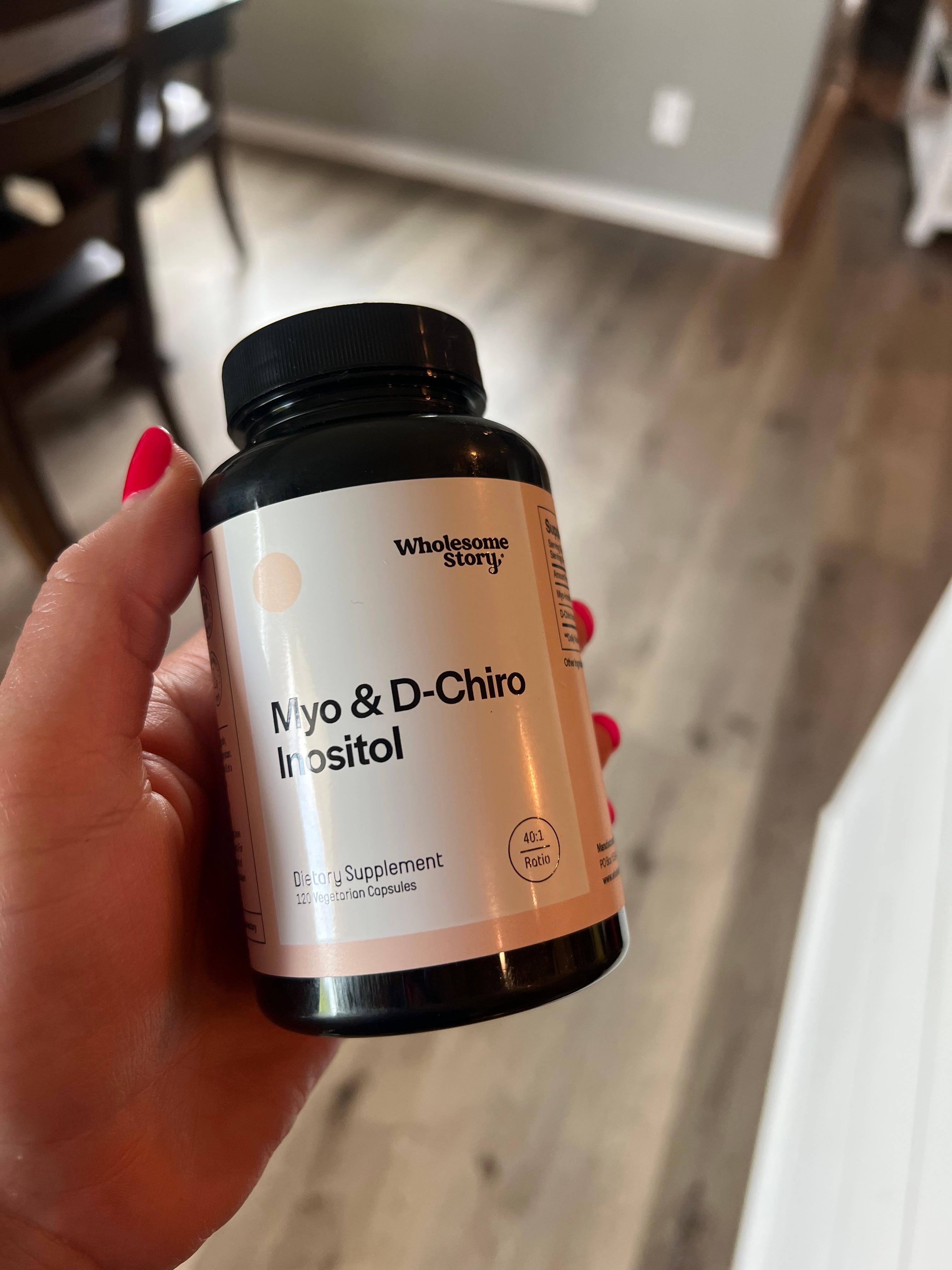
Wholesome Story Myo-Inositol & D-Chiro Inositol Supplement for Women | Fertility Supplements for Hormonal Balance & Ovarian Health Support | Myoinositol | Ideal 40:1 Ratio | 30 Servings
Our Myo & D-Chiro products contain a 40:1 ratio of Myo- to D-Chiro Inositol, shown to be <strong>the most beneficial ratio for women of reproductive age</strong>.* Myo-Inositol provides many of th

Nature's Way Dong Quai Root - 100 Capsules / 565 mg
Buy Nature's Way Dong Quai Root - 100 Capsules / 565 mg on Amazon.com ✓ FREE SHIPPING on qualified orders
Evidence & Sources
Promising research with growing clinical support from multiple studies
- World Health Organization (WHO) – Reproductive Health
- National Institutes of Health (NIH)
- National Institute of Child Health and Human Development (NICHD)
- American College of Obstetricians and Gynecologists (ACOG)
- American Society for Reproductive Medicine (ASRM)
- Endocrine Society
- National Center for Complementary and Integrative Health (NCCIH)
- Fertility and Sterility
- Human Reproduction
- The Lancet
This content is for informational purposes only and does not constitute medical advice. Always consult a qualified healthcare provider before starting, stopping, or changing any supplement or medication regimen.