

Ovarian Function
Also known as: Ovaries, Ovarian Health, Female Gonadal Function
Overview
Ovarian function refers to the ovaries’ dual role in reproduction and endocrine regulation. As reproductive organs, the ovaries contain and mature follicles that may release an egg during ovulation. As endocrine glands, they produce hormones including estrogen, progesterone, inhibin, and small amounts of androgens, which influence the menstrual cycle, fertility, bone health, metabolism, cardiovascular function, mood, and genitourinary tissues. Because ovarian activity changes across the lifespan—from puberty through the reproductive years and into perimenopause and menopause—it is a central topic in women’s health and hormone balance.
Normal ovarian function depends on coordinated signaling across the hypothalamic-pituitary-ovarian (HPO) axis. The brain releases gonadotropin-releasing hormone (GnRH), which stimulates pituitary production of follicle-stimulating hormone (FSH) and luteinizing hormone (LH). These hormones act on the ovaries to support follicle development, ovulation, and cyclical hormone production. In turn, ovarian hormones feed back to the brain and pituitary to regulate the cycle. When this system is disrupted, menstrual irregularity, anovulation, infertility, symptoms of hormone fluctuation, or earlier decline in ovarian activity may occur.
People commonly seek information about ovarian function in relation to menstrual balance, fertility, polycystic ovary syndrome (PCOS), diminished ovarian reserve, premature ovarian insufficiency (POI), perimenopause, and menopause. Ovarian health is also relevant in the context of stress, nutrition, high athletic load, thyroid disease, hyperprolactinemia, endometriosis, autoimmune conditions, genetic factors, environmental exposures, aging, and cancer treatment. Importantly, ovarian function is not defined only by fertility; it also has broader implications for long-term health, including bone density, heart health, sexual function, sleep, and vasomotor symptoms.
Research indicates that ovarian aging is a natural biologic process characterized by a decline in follicle number and hormone output over time, but the rate and clinical impact vary substantially between individuals. Evaluation of ovarian function in conventional care may involve menstrual history, hormone testing, ovulation assessment, ultrasound, and investigation for related endocrine or reproductive disorders. In both conventional and traditional systems, the topic is often approached holistically, with attention to cyclic patterns, overall vitality, stress physiology, and quality of life. Anyone experiencing significant cycle changes, infertility, severe pelvic symptoms, or signs of early menopause is generally encouraged to discuss these findings with a qualified healthcare professional.
Medical Perspectives
Two Ways of Seeing Health

Western
scientific · clinical
Western medicine applies science, technology, and clinical experience to treat symptoms through testing, diagnosis, and targeted intervention.

Eastern
traditional · alternative
Eastern medicine focuses on treating the body naturally by applying traditional knowledge practiced for thousands of years, emphasizing balance and whole-person wellness.
Gold Bamboo presents both perspectives side-by-side so you can make informed decisions. We don't advocate for one over the other — your health choices are yours.
Western Medicine Perspective
Western Medicine Perspective
In conventional medicine, ovarian function is understood through reproductive endocrinology and the physiology of the HPO axis. The ovaries support follicle recruitment, dominant follicle selection, ovulation, luteal phase hormone production, and eventual decline in reserve with age. Clinical assessment often focuses on whether ovulation is occurring regularly, whether estrogen and progesterone patterns are adequate for the life stage, and whether there are signs of ovarian dysfunction such as irregular cycles, absent periods, infertility, hyperandrogenism, or menopausal transition. Common laboratory and imaging tools may include FSH, LH, estradiol, progesterone, anti-Müllerian hormone (AMH), prolactin, thyroid testing, and pelvic ultrasound, interpreted in context rather than as standalone measures.
A number of conditions can alter ovarian function. PCOS is one of the most common causes of ovulatory dysfunction and may involve irregular ovulation, androgen excess, and metabolic features. Primary ovarian insufficiency involves impaired ovarian activity before age 40 and can be associated with irregular or absent menses, infertility, and low estrogen states. Other causes of altered function include hypothalamic amenorrhea related to energy deficit or stress, thyroid disorders, elevated prolactin, endometriosis, ovarian surgery, chemotherapy, radiation, and age-related decline in ovarian reserve. Menopause is defined retrospectively after 12 months without menstruation and reflects the end of natural ovarian follicular activity.
Conventional management depends on the underlying diagnosis and the person’s goals, such as symptom relief, cycle regulation, preservation of bone health, or fertility support. Research supports targeted approaches including investigation of endocrine causes, metabolic assessment where appropriate, and evidence-based reproductive care. In the fertility setting, ovulation tracking, ovarian reserve testing, and assisted reproductive technologies may be considered. In the menopause transition, care may address vasomotor symptoms, genitourinary syndrome, sleep changes, and long-term risks associated with lower estrogen exposure. Because ovarian function intersects with many body systems, conventional medicine often frames it as part of broader endocrine and preventive health care rather than as an isolated organ issue alone.
Eastern & Traditional Perspective
Eastern/Traditional Medicine Perspective
In Traditional Chinese Medicine (TCM), ovarian function is not typically described as a single isolated process but is interpreted through patterns involving the Kidney, Liver, Spleen, Blood, and Chong and Ren meridians. Reproductive capacity, menstrual regularity, and the menopausal transition are often associated with the state of Kidney essence (Jing) and the smooth movement of Qi and Blood. Menstrual irregularity, infertility, and perimenopausal symptoms may be viewed through pattern frameworks such as Kidney deficiency, Liver Qi stagnation, Blood deficiency, Blood stasis, or phlegm-damp accumulation. TCM literature traditionally emphasizes restoring systemic balance rather than targeting hormone levels in a biomedical sense.
Traditional East Asian approaches may include acupuncture, moxibustion, dietary therapy, movement practices, and individualized herbal formulas, selected according to pattern differentiation. Modern research has explored acupuncture and herbal medicine for ovulatory disorders, fertility support, and menopause-related symptoms, but findings remain mixed and often limited by study quality, small sample sizes, or heterogeneity in treatment protocols. As a result, these approaches are generally described as complementary rather than direct substitutes for diagnostic evaluation of endocrine or reproductive disorders.
In Ayurveda, ovarian function is often interpreted through the balance of doshas, the quality of dhatus including reproductive tissue, and the role of agni and circulation. Menstrual and fertility concerns may be associated with disturbances in Vata, Pitta, or Kapha depending on the pattern, while the menopausal transition is often viewed as a natural life stage that may become symptomatic when systemic balance is disrupted. Naturopathic and traditional holistic frameworks similarly tend to emphasize whole-person contributors such as stress load, sleep, digestion, nutrition, environmental exposures, and metabolic resilience. Across these systems, the overarching theme is that reproductive and hormonal vitality reflects broader physiologic balance, while serious symptoms still warrant evaluation by a licensed medical professional.
Supplements & Products
Recommended Products
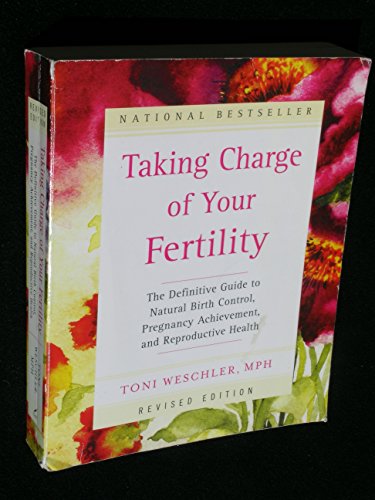
Taking Charge of Your Fertility: The Definitive Guide to Natural Birth Control, Pregnancy Achievement, and Reproductive Health
Since the publication of Taking Charge of your Fertility two decades ago, Toni Weschler has taught a whole new generation of women how to become pregnant, avoid pregnancy naturally and gain better con
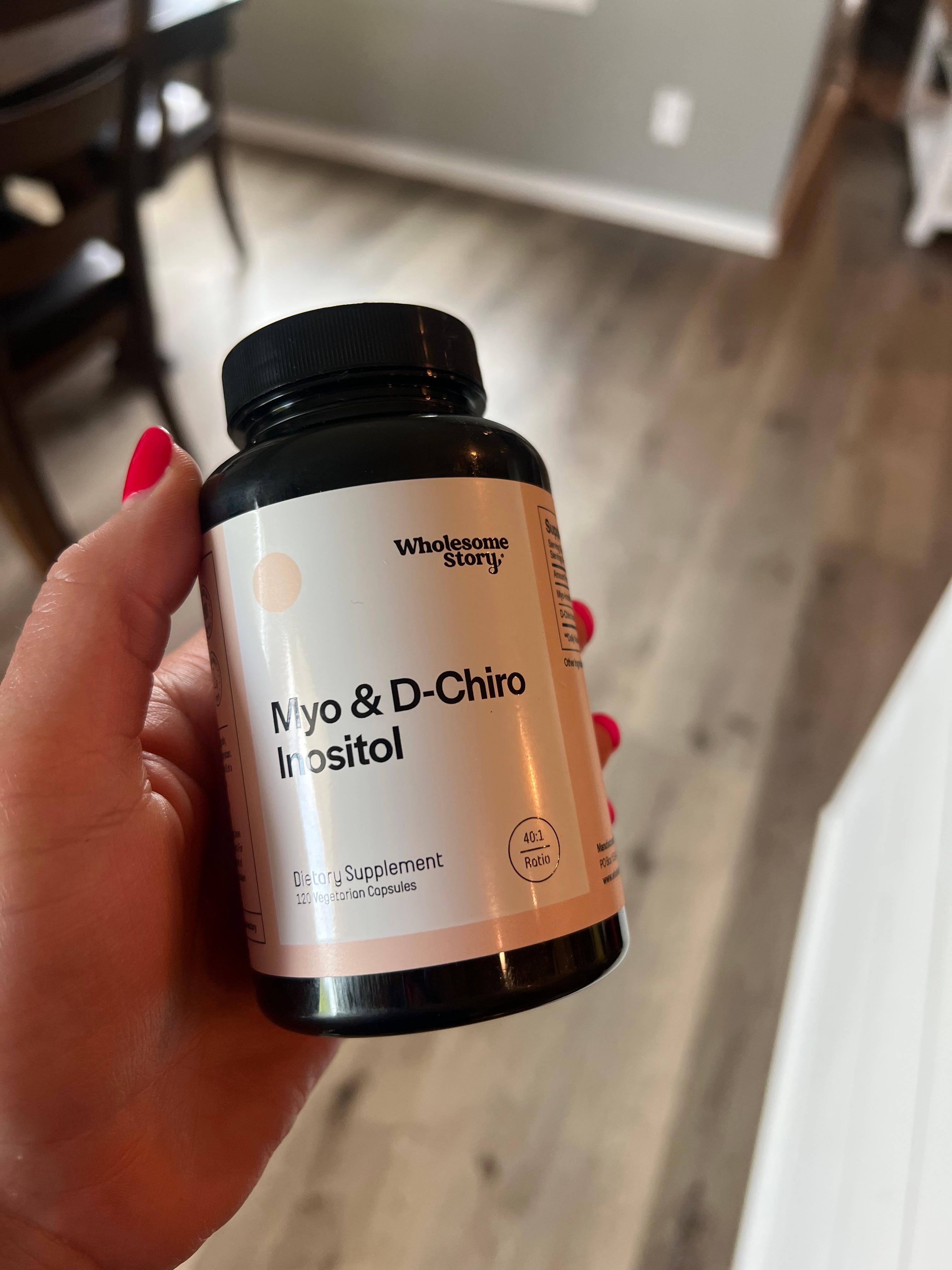
Wholesome Story Myo-Inositol & D-Chiro Inositol Supplement for Women | Fertility Supplements for Hormonal Balance & Ovarian Health Support | Myoinositol | Ideal 40:1 Ratio | 30 Servings
Our Myo & D-Chiro products contain a 40:1 ratio of Myo- to D-Chiro Inositol, shown to be <strong>the most beneficial ratio for women of reproductive age</strong>.* Myo-Inositol provides many of th
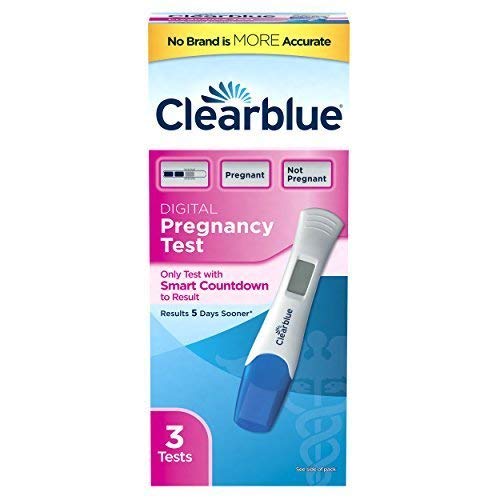
Clearblue Digital Ovulation Test, 10 Count : Everything Else
This easy at-home urine test detects your LH surge, providing a 48-hour window to maximize your chances of getting pregnant · <strong>OVER 99% ACCURATE at detecting the luteinizing hormone (LH) surge<
Evidence & Sources
Promising research with growing clinical support from multiple studies
- NIH Office of Research on Women's Health
- American College of Obstetricians and Gynecologists (ACOG)
- Endocrine Society Clinical Practice Guidelines
- American Society for Reproductive Medicine (ASRM)
- World Health Organization (WHO)
- National Institute for Health and Care Excellence (NICE)
- NCCIH (National Center for Complementary and Integrative Health)
- The Lancet
- New England Journal of Medicine
- Human Reproduction Update
This content is for informational purposes only and does not constitute medical advice. Always consult a qualified healthcare provider before starting, stopping, or changing any supplement or medication regimen.