

Oral Microbiome
Also known as: Mouth Flora, Oral Flora
Oral Microbiome Overview
The oral microbiome refers to the complex community of bacteria, fungi, viruses, archaea, and other microorganisms that inhabit the mouth. These organisms live on the teeth, tongue, gums, cheeks, palate, and in saliva, forming one of the most diverse microbial ecosystems in the human body. Rather than being uniformly harmful, many oral microbes exist in a dynamic balance with the host and contribute to normal physiology, including maintenance of mucosal health, modulation of local immune responses, and interactions with digestion beginning in the mouth.
The oral cavity contains hundreds of microbial species, and its composition varies from person to person based on age, diet, oral hygiene practices, saliva flow, medication use, tobacco exposure, systemic health, and genetics. Researchers often describe oral health in terms of microbial balance rather than sterility. When the microbial community shifts toward dysbiosis—an unfavorable imbalance—conditions such as dental caries, gingivitis, periodontitis, halitosis, and oral candidiasis may become more likely. Studies also suggest that oral dysbiosis may be associated with broader health concerns, including cardiovascular disease, diabetes, adverse pregnancy outcomes, and some inflammatory conditions, although these relationships are still being actively studied.
Interest in the oral microbiome has expanded because it sits at the intersection of dentistry, immunology, nutrition, and systemic medicine. Biofilms in the mouth are especially important: dental plaque is essentially a structured microbial community embedded in a protective matrix. Depending on environmental conditions—particularly pH, sugar exposure, oxygen levels, and inflammation—these biofilms may support oral health or contribute to disease. The oral microbiome is therefore increasingly viewed not as an isolated topic, but as part of the broader human microbiome network linking the mouth to the gut, lungs, and immune system.
From a public health perspective, oral microbiome research matters because oral diseases remain extremely common worldwide. The World Health Organization identifies oral conditions as among the most prevalent noncommunicable diseases globally. Understanding the microbiome may help clarify why some individuals develop recurrent dental or gum disease despite similar habits, and why oral conditions may reflect or influence whole-body health. At the same time, experts note that microbiome science is evolving, and many proposed diagnostic and therapeutic applications remain under investigation.
Medical Perspectives
Two Ways of Seeing Health

Western
scientific · clinical
Western medicine applies science, technology, and clinical experience to treat symptoms through testing, diagnosis, and targeted intervention.

Eastern
traditional · alternative
Eastern medicine focuses on treating the body naturally by applying traditional knowledge practiced for thousands of years, emphasizing balance and whole-person wellness.
Gold Bamboo presents both perspectives side-by-side so you can make informed decisions. We don't advocate for one over the other — your health choices are yours.
Western Medicine Perspective
Western / Conventional Medicine Perspective
In conventional medicine, the oral microbiome is understood through the framework of host-microbe interaction, ecology, and biofilm science. Health is generally associated with a relatively stable microbial community that coexists with saliva, tooth surfaces, immune defenses, and epithelial tissues. Disease is often linked to dysbiosis, in which environmental changes—such as frequent sugar intake, reduced saliva, smoking, poor oral hygiene, antibiotic exposure, or chronic inflammation—favor organisms associated with pathology. For example, acid-producing and acid-tolerant bacteria are strongly linked with dental caries, while anaerobic, inflammation-associated communities are linked with periodontal disease.
Conventional research has identified key organisms and patterns associated with oral conditions, but modern understanding emphasizes community behavior more than single pathogens alone. In caries, Streptococcus mutans has long been studied, yet current models recognize a broader acidogenic biofilm. In periodontal disease, organisms such as Porphyromonas gingivalis are considered important contributors, though disease progression depends on immune response, tissue environment, and interactions among many microbes. Salivary diagnostics, microbial sequencing, and biomarker studies are being explored to better characterize risk and disease activity.
Western clinical approaches generally focus on supporting oral ecological balance through mechanical plaque control, management of inflammation, reduction of cariogenic exposures, and treatment of established dental or periodontal disease. Researchers are also studying oral probiotics, prebiotics, antimicrobial rinses, microbiome-modulating materials, and salivary diagnostics, but evidence is mixed and not all microbiome-targeted products have strong clinical support. Conventional experts typically view the oral microbiome as a promising area for precision dentistry and preventive medicine, while emphasizing that many commercial claims currently outpace the available evidence.
There is also growing interest in the oral-systemic connection. Studies indicate associations between periodontal dysbiosis and conditions such as diabetes, atherosclerotic disease, rheumatoid arthritis, and pregnancy complications, though causality can be difficult to establish. In this view, the oral microbiome may act both as a marker of systemic health and as a potential contributor to inflammatory burden. Even so, mainstream medicine generally calls for careful interpretation of emerging findings and continued consultation with qualified dental and medical professionals when oral or systemic symptoms are present.
Eastern & Traditional Perspective
Eastern / Traditional Medicine Perspective
Traditional medical systems do not typically describe the oral microbiome in modern microbiological terms, but many have long regarded the mouth as an important mirror of internal balance. In Traditional Chinese Medicine (TCM), the condition of the gums, tongue, saliva, taste, and breath may be interpreted as reflecting patterns involving the Stomach, Spleen, Lung, and Kidney systems, as well as the presence of heat, dampness, dryness, or deficiency. Oral symptoms such as inflamed gums, ulcers, bad breath, or dryness are traditionally understood as signs of broader functional imbalance rather than isolated local issues.
In Ayurveda, oral health is connected to digestion, tissue nourishment, and constitutional balance among Vata, Pitta, and Kapha. The mouth is considered an extension of the gastrointestinal system, and changes in coating, odor, sensitivity, or inflammation may be interpreted through the lens of digestive fire (agni), toxin accumulation (ama), and systemic imbalance. Traditional Ayurvedic oral care practices, including tongue cleaning, herbal rinses, and oil pulling, have historically been used to support oral cleanliness and freshness. Contemporary research has begun evaluating some of these practices, but findings vary in quality and are not yet equivalent to the broader evidence base for standard dental care.
Naturopathic and integrative traditions often frame the oral environment as part of a whole-body terrain, emphasizing the relationship between diet, mineral status, saliva, immune resilience, stress, and microbial balance. Herbal substances with traditional oral uses—such as clove, myrrh, neem, licorice, tea tree, or green tea extracts—have attracted research interest for antimicrobial or anti-inflammatory properties. However, the quality of evidence differs substantially by preparation and indication, and traditional use does not always translate into validated clinical benefit.
Across Eastern and traditional perspectives, a common theme is that oral health reflects systemic harmony rather than merely the absence of germs. These frameworks often emphasize daily routines, digestion, constitution, and local tissue balance. Integrative practitioners may explore these models alongside modern dentistry, while recognizing that persistent pain, bleeding, swelling, lesions, or other concerning oral symptoms warrant evaluation by appropriately qualified healthcare providers.
Supplements & Products
Recommended Products
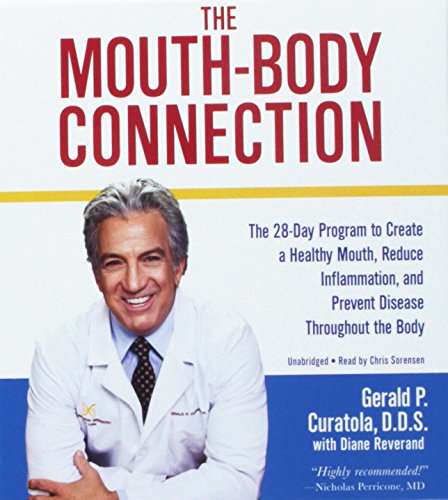
The Mouth-Body Connection: The 28-Day Program to Create a Healthy Mouth, Reduce Inflammation and Prevent Disease Throughout the Body: Curatola DDS, Gerald P., Reverand, Diane
Gerry Curatola, <strong>explores the bi-directional relationship between the health of your mouth and your body</strong>, and provides a groundbreaking program for creating a healthy mouth that will h

Hyperbiotics Vital Nutrients Pro Dental Probiotic | Clinically Studied BLIS K12 and M18 | Oral Probiotics for Bad Breath treatment for adults | Oral Health for teeth and gums | 45 Mint Tablets
Oral Probiotics, 11 Billion CFU, with M18, A12, Oral Probiotics for Mouth Bad Breath for adults, Dry Mouth, Gum Health & Gum Restore, Chronic Halitosis, Fresh Breath, 60 Lozenges (Mint Flavor) SUP

Spry Fresh Natural Xylitol Chewing Gum Dental Defense System - Aspartame-Free, Sugar-Free, Non-GMO, Gluten-Free (Spearmint, 100 Count - Pack of 1) : Chewing Gum
Epic 100% Xylitol Peppermint Chewing Gum - Sugar Free, Aspartame Free Dental Gum - Supports Oral Health & Fresh Breath - 12 Pieces (Pack of 12) Spry Fresh Natural Xylitol Chewing Gum Dental Defens
Evidence & Sources
Promising research with growing clinical support from multiple studies
- Nature Reviews Microbiology
- Periodontology 2000
- Journal of Dental Research
- The ISME Journal
- National Institute of Dental and Craniofacial Research (NIDCR)
- National Center for Complementary and Integrative Health (NCCIH)
- World Health Organization (WHO)
- Microbiome
- Clinical Oral Investigations
This content is for informational purposes only and does not constitute medical advice. Always consult a qualified healthcare provider before starting, stopping, or changing any supplement or medication regimen.