

Nervous System
Also known as: Neural System, Brain and Nerves
Overview
The nervous system is the body’s primary communication and control network. It coordinates movement, sensation, thought, emotion, memory, and many automatic functions such as breathing, heart rate, digestion, sleep-wake cycles, and stress responses. Using electrical impulses and chemical messengers called neurotransmitters, it allows the brain, spinal cord, and peripheral nerves to rapidly send and receive information throughout the body. In practical terms, the nervous system helps integrate what a person senses from the environment with internal body signals, then organizes appropriate responses.
The nervous system is commonly divided into the central nervous system (CNS)—the brain and spinal cord—and the peripheral nervous system (PNS), which includes the nerves outside the CNS. The peripheral system further includes the somatic nervous system, involved in voluntary movement and conscious sensation, and the autonomic nervous system, which regulates involuntary processes. The autonomic branch includes the sympathetic system, often associated with mobilization and stress responses, and the parasympathetic system, often associated with restoration, digestion, and recovery. Many modern discussions also include the enteric nervous system, the dense nerve network in the gastrointestinal tract that helps regulate digestion and interacts closely with the brain.
Because the nervous system influences nearly every organ system, disturbances can have wide-ranging effects. Neurological and neuropsychiatric conditions—including stroke, epilepsy, migraine, neuropathy, dementia, Parkinson’s disease, multiple sclerosis, anxiety disorders, depression, and chronic pain syndromes—are major contributors to disability worldwide. Even when no formal neurologic disease is present, factors such as chronic stress, sleep disruption, nutrient deficiency, infection, metabolic disease, toxic exposure, and aging may affect nervous system function. Research increasingly emphasizes the interconnectedness of the nervous, endocrine, immune, cardiovascular, and digestive systems.
A healthy nervous system depends on complex structural and biochemical support. Neurons communicate at specialized junctions called synapses, while glial cells provide insulation, immune surveillance, nutrient support, and signal regulation. The nervous system also relies on adequate blood flow, oxygen delivery, mitochondrial energy production, and balanced neurotransmitter activity. Current science and traditional healing systems alike recognize that nervous system health is shaped by both internal and external influences, including genetics, environment, emotional experience, physical activity, sleep quality, and long-term lifestyle patterns. Any persistent neurological symptoms or sudden changes in function warrant evaluation by a qualified healthcare professional.
Medical Perspectives
Two Ways of Seeing Health

Western
scientific · clinical
Western medicine applies science, technology, and clinical experience to treat symptoms through testing, diagnosis, and targeted intervention.

Eastern
traditional · alternative
Eastern medicine focuses on treating the body naturally by applying traditional knowledge practiced for thousands of years, emphasizing balance and whole-person wellness.
Gold Bamboo presents both perspectives side-by-side so you can make informed decisions. We don't advocate for one over the other — your health choices are yours.
Western Medicine Perspective
Western Medicine Perspective
In conventional medicine, the nervous system is understood through neuroanatomy, electrophysiology, biochemistry, and systems biology. The brain and spinal cord process incoming information and generate output, while peripheral nerves transmit signals between the CNS and the rest of the body. Neurons communicate by action potentials and neurotransmitters such as glutamate, GABA, dopamine, serotonin, acetylcholine, and norepinephrine. Western medicine also recognizes the importance of neuroplasticity, the nervous system’s capacity to adapt structurally and functionally in response to learning, injury, stress, and rehabilitation.
Clinical evaluation of nervous system function may include neurologic examination, imaging such as MRI or CT, electrodiagnostic studies, cerebrospinal fluid analysis, blood testing, and neuropsychological assessment. Conventional medicine categorizes nervous system disorders by mechanism, including vascular conditions like stroke, degenerative disorders such as Alzheimer’s and Parkinson’s disease, autoimmune/inflammatory conditions such as multiple sclerosis, infectious processes, traumatic injury, metabolic or toxic neuropathies, seizure disorders, and disorders of mood, cognition, or autonomic regulation. Treatment approaches vary widely and may involve emergency care, medications, surgery, rehabilitation, psychotherapy, sleep medicine, pain management, and long-term risk-factor reduction.
A major area of current research involves the relationship between the nervous system and whole-body health. Studies indicate that chronic stress can alter autonomic balance, inflammatory signaling, and hypothalamic-pituitary-adrenal axis activity. Research also suggests that sleep quality, cardiovascular health, blood sugar regulation, physical exercise, and social and cognitive engagement influence long-term brain and nerve function. In addition, the gut-brain axis, neuroimmune signaling, and microbiome interactions have become important areas of investigation. From a conventional perspective, nervous system health is not isolated; it reflects dynamic interaction among multiple physiological systems.
Eastern & Traditional Perspective
Eastern/Traditional Medicine Perspective
In Traditional Chinese Medicine (TCM), there is no exact one-to-one equivalent of the modern anatomical nervous system, but many of its functions are understood through the interplay of Shen, Qi, Blood, Yin-Yang balance, and the organ-meridian systems, especially the Heart, Liver, Kidney, and Spleen. Mental clarity, emotional steadiness, sleep, and consciousness are often associated with the Shen, said to reside in the Heart. Dizziness, tremors, numbness, insomnia, irritability, palpitations, or poor memory may traditionally be interpreted as patterns involving internal wind, blood deficiency, phlegm obstruction, heat, or disharmony between the Heart and Kidney. TCM approaches tend to focus on restoring systemic balance rather than isolating symptoms to a single nerve pathway.
Traditional East Asian medicine has historically used modalities such as acupuncture, moxibustion, herbal medicine, breathing practices, and movement systems like qigong or tai chi to support regulation of stress, pain, sleep, and functional recovery. Contemporary research suggests acupuncture may influence pain signaling, autonomic regulation, and neuroendocrine pathways in some contexts, though the strength of evidence varies by condition. Tai chi and qigong have also been studied for balance, mood, stress reduction, and quality of life, especially in older adults and in people with chronic illness.
In Ayurveda, many nervous system functions are associated with Vata dosha, particularly its role in movement, sensory processing, communication, and mental activity. Imbalances in Vata are traditionally linked with symptoms such as anxiety, tremor, insomnia, variable digestion, hypersensitivity, and nervous exhaustion. Ayurvedic frameworks also consider the quality of mental functioning through concepts such as ojas, tejas, and prana, emphasizing the relationship between vitality, perception, and resilience. Supportive practices may include herbal traditions, oil therapies, meditation, yoga, daily routine, and dietary balancing, though these are interpreted within individualized constitutional patterns.
Naturopathic and integrative traditions often bridge conventional neuroscience with older healing systems by emphasizing stress physiology, restorative sleep, nourishment, movement, mind-body practices, and reduction of factors that may burden neurologic function. While traditional systems offer long histories of use and valuable frameworks for whole-person care, their concepts are not always directly measurable in biomedical terms. For neurological symptoms—especially sudden weakness, severe headache, seizure, confusion, changes in speech, or progressive numbness—evaluation by a licensed medical professional remains essential.
Supplements & Products
Recommended Products
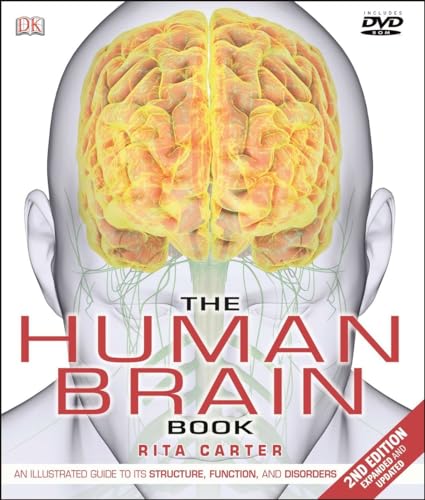
The Human Brain Book: An Illustrated Guide to its Structure, Function, and Disorders (DK Human Body Guides): Carter, Rita
The Human Brain Book: <strong>An Illustrated Guide to its Structure, Function, and Disorders</strong> (DK Human Body Guides) [Carter, Rita] on Amazon.com. *FREE* shipping on qualifying offers. The Hum

Nordic Naturals Ultimate Omega, Lemon Flavor - 90 Soft Gels - 1280 mg Omega-3 - High-Potency Omega-3 Fish Oil Supplement with EPA & DHA - Promotes Brain & Heart Health - Non-GMO - 45 Servings
Buy Nordic Naturals Ultimate Omega, Lemon Flavor - 90 Soft Gels - 1280 mg Omega-3 - High-Potency Omega-3 Fish Oil Supplement with EPA & DHA - Promotes Brain & Heart Health - Non-GMO - 45 Servi

Life Extension Neuro-Mag Magnesium L-Threonate, Memory Health, Quick Thinking, Cognitive Health Support, Vegetarian, Non-GMO, 90 Vegetarian Capsules (144 mg from 2000 mg Magtein magnesium L-threonate
That’s why so many of our nutritional formulas are designed using specific ingredients and amounts based on scientific studies. ... Magnesium L Threonate, Magtein, Sleep and Cognitive Support – High A
Evidence & Sources
Supported by multiple clinical trials and systematic reviews
- World Health Organization (WHO)
- National Institute of Neurological Disorders and Stroke (NINDS)
- National Institute of Mental Health (NIMH)
- National Center for Complementary and Integrative Health (NCCIH)
- The Lancet Neurology
- Nature Reviews Neuroscience
- New England Journal of Medicine
- Brain, Behavior, and Immunity
This content is for informational purposes only and does not constitute medical advice. Always consult a qualified healthcare provider before starting, stopping, or changing any supplement or medication regimen.