

Nails
Also known as: Nail Beds, Cuticles
Overview
Nails are specialized keratin-based structures that cover and protect the tips of the fingers and toes. Although often viewed mainly through a cosmetic lens, nails serve several important functions: they support fine touch and grip, protect the distal digits from trauma, and can offer visible clues about overall health. Each nail unit includes the nail plate, nail bed, matrix, cuticle, and surrounding folds, all of which work together to produce and maintain healthy nail growth.
Nails grow continuously, though slowly, with fingernails typically growing faster than toenails. Their appearance can be influenced by age, circulation, nutrition, repeated trauma, infections, inflammatory skin disorders, and systemic illness. Changes in nail color, thickness, shape, surface texture, or attachment to the nail bed may reflect local problems such as fungal infection or injury, but in some cases may also be associated with broader health conditions affecting the skin, lungs, liver, thyroid, heart, or immune system.
Common nail concerns include brittle nails, onychomycosis (fungal nail infection), ingrown nails, paronychia (infection or inflammation around the nail fold), psoriatic nail changes, ridging, splitting, and nail discoloration. In clinical settings, nails are sometimes examined as part of a broader physical assessment because patterns such as clubbing, spooning, pitting, or separation from the nail bed can contribute to diagnostic insight. That said, many nail changes are nonspecific and do not necessarily indicate serious disease.
From a whole-person perspective, nail health sits at the intersection of dermatology, nutrition, circulation, occupational exposure, and chronic disease screening. Both conventional and traditional medical systems recognize that nails can reflect internal balance as well as external stressors. Because some nail findings overlap among multiple conditions, persistent or unexplained nail changes are generally evaluated in the context of the person’s broader health history by a qualified healthcare professional.
Medical Perspectives
Two Ways of Seeing Health

Western
scientific · clinical
Western medicine applies science, technology, and clinical experience to treat symptoms through testing, diagnosis, and targeted intervention.

Eastern
traditional · alternative
Eastern medicine focuses on treating the body naturally by applying traditional knowledge practiced for thousands of years, emphasizing balance and whole-person wellness.
Gold Bamboo presents both perspectives side-by-side so you can make informed decisions. We don't advocate for one over the other — your health choices are yours.
Western Medicine Perspective
Western Medicine Perspective
In conventional medicine, nails are understood as appendages of the skin composed primarily of hard keratin. Western medicine evaluates nails through anatomy, growth patterns, and pathology. Clinicians distinguish between disorders affecting the nail matrix, plate, bed, or surrounding tissue, since each area produces different visible changes. For example, pitting may point toward psoriasis, thickened yellow nails may raise concern for fungal infection, and separation of the nail plate from the bed can occur with trauma, dermatitis, thyroid disease, or medication effects.
Research and clinical practice emphasize that many nail abnormalities are caused by common, localized issues rather than systemic disease. Repeated wet work, chemical exposure, grooming practices, aging, friction from footwear, and minor trauma are frequent contributors to brittle, ridged, or damaged nails. At the same time, nail examination remains a recognized part of general medicine and dermatology because certain patterns may be associated with iron deficiency, connective tissue disease, peripheral vascular changes, diabetes-related complications, or cardiopulmonary conditions. Diagnosis may involve physical exam, dermoscopy, nail clippings, fungal microscopy or culture, or biopsy in select cases.
Management in western medicine depends on the underlying cause and may include hygiene measures, protection from irritants, management of inflammatory skin disease, treatment of bacterial or fungal infection, and monitoring for systemic contributors. The evidence base is strongest for common dermatologic conditions such as onychomycosis, psoriasis-related nail disease, and contact-related nail damage, while nutritional supplementation for nail appearance in otherwise healthy individuals remains more variable in quality and consistency. Conventional medicine generally treats nail changes as a clinical sign rather than a condition in isolation, especially when abnormalities are persistent, painful, or progressive.
Eastern & Traditional Perspective
Eastern / Traditional Medicine Perspective
In Traditional Chinese Medicine (TCM), nails are often viewed as being closely connected to the Liver system and the nourishment of Blood. Classical theory holds that the nails reflect the state of tendons and the quality of internal nourishment; pale, dry, brittle, or deformed nails may be interpreted as signs of Blood deficiency, impaired circulation of Qi and Blood, or internal imbalance affecting tissue nourishment. Blue or dusky nails may traditionally be associated with blood stasis or cold patterns, while thickened or discolored nails may be considered in the context of dampness, heat, or toxin accumulation, depending on the presentation.
In Ayurveda, nails may be considered an upadhatu or secondary tissue related to deeper metabolic processes and tissue nutrition, especially those connected with asthi dhatu (bone tissue) in traditional interpretation. Nail texture, color, and strength may be viewed as reflections of constitutional tendencies and the balance of doshas. For example, brittle or rough nails may be associated with Vata qualities, reddish inflammatory changes with Pitta patterns, and thicker, slower-growing nails with Kapha predominance. These interpretations are traditionally made alongside broader observations of digestion, circulation, skin, sleep, and energy.
Naturopathic and other traditional systems often frame nail health as a marker of overall vitality, nourishment, and environmental exposure. Rather than focusing only on the visible nail problem, these traditions may consider stress, digestive function, circulation, dietary diversity, and chronic inflammatory burden. Modern integrative practitioners sometimes combine these traditional frameworks with dermatologic evaluation, particularly because nail changes can arise from infection, autoimmune conditions, injury, or occupational factors. While these traditional interpretations remain widely used in holistic practice, the scientific evidence supporting diagnostic conclusions based on nail appearance within these systems is more limited than in conventional dermatology.
Supplements & Products
Recommended Products
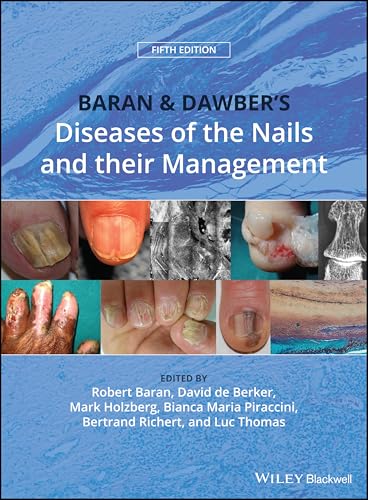
Baran and Dawber's Diseases of the Nails and their Management
Is edited by Professor Robert Baran <strong>the world's leading expert on the human nail together with a team of world-renowned experts from across Europe and North America · Provides clinical in

Jarrow Formulas® Biotin Ultra Strength 5000 mcg, Dietary Supplement, Hair, Skin, and Nails Support, 100 Veggie Capsules, Up to 100 Day Supply
Fits Your Life: This dietary supplement for hair, skin, and nail support is Non-GMO Project Verified and is gluten-free · Suggested Use: Adults, take one of these veggie capsules once a day with a mea

OPI Nail Envy Nail Strengthener Clear | Strengthening Nail Polish Treatment | For Weak & Thin Nails
<strong>Strengthens and protects against chipping, peeling, and splitting, resulting in healthy-looking nails</strong> · Infused with vitamins A, E, C, Biotin and Calcium for nails to envy · A clinica
Evidence & Sources
Promising research with growing clinical support from multiple studies
- American Academy of Dermatology
- Merck Manual Professional Edition
- NIH Office of Dietary Supplements
- National Center for Complementary and Integrative Health (NCCIH)
- Journal of the American Academy of Dermatology
- Dermatologic Clinics
- American Family Physician
- StatPearls Publishing
This content is for informational purposes only and does not constitute medical advice. Always consult a qualified healthcare provider before starting, stopping, or changing any supplement or medication regimen.