

Musculoskeletal System
Also known as: Skeletal System, Muscle System
Overview
The musculoskeletal system is the body system that provides structure, stability, protection, and movement. It includes bones, skeletal muscles, joints, cartilage, tendons, ligaments, fascia, and connective tissues that work together to support posture, enable mobility, protect internal organs, and store essential minerals such as calcium and phosphorus. Bone marrow, housed within many bones, also plays a central role in blood cell production, making this system important not only for movement but for broader whole-body function.
Across the lifespan, musculoskeletal health influences physical independence, exercise capacity, balance, injury risk, pain levels, and quality of life. Common concerns affecting this system include low back pain, osteoarthritis, osteoporosis, sarcopenia, tendon disorders, fractures, autoimmune joint disease, and overuse injuries. These conditions are among the most common causes of disability worldwide, particularly with aging, sedentary behavior, repetitive strain, and sports-related stress. Research from global public health organizations indicates that musculoskeletal disorders are a major contributor to years lived with disability in both high- and low-resource settings.
From a functional standpoint, the system depends on constant communication between nerves, muscles, bones, circulation, hormones, and metabolism. Bone is not inert tissue; it is continuously remodeled through the activity of specialized cells that build and break down bone. Muscle tissue is similarly dynamic, adapting to load, nutrition, inflammation, and aging. Connective tissues respond to mechanical stress, recovery patterns, and systemic health factors. Because of this, musculoskeletal health is often viewed as both a structural and metabolic issue.
A comprehensive understanding of the musculoskeletal system often includes both conventional medical models, which focus on anatomy, biomechanics, inflammation, degeneration, trauma, and rehabilitation, and traditional health systems, which may interpret pain, weakness, stiffness, and impaired movement through broader patterns of imbalance involving circulation, energy, nourishment, and constitutional resilience. In any framework, persistent pain, swelling, deformity, weakness, or loss of function warrants evaluation by a qualified healthcare professional.
Medical Perspectives
Two Ways of Seeing Health

Western
scientific · clinical
Western medicine applies science, technology, and clinical experience to treat symptoms through testing, diagnosis, and targeted intervention.

Eastern
traditional · alternative
Eastern medicine focuses on treating the body naturally by applying traditional knowledge practiced for thousands of years, emphasizing balance and whole-person wellness.
Gold Bamboo presents both perspectives side-by-side so you can make informed decisions. We don't advocate for one over the other — your health choices are yours.
Western Medicine Perspective
Western Medicine Perspective
In conventional medicine, the musculoskeletal system is understood through anatomy, biomechanics, physiology, pathology, and functional performance. Bones provide leverage and mineral storage; muscles generate force through contraction; tendons transmit force; ligaments stabilize joints; cartilage reduces friction; and fascia contributes to force distribution and mobility. Disorders are typically classified as traumatic, degenerative, inflammatory, infectious, metabolic, congenital, autoimmune, or neoplastic. Clinical assessment often considers pain location, range of motion, strength, gait, structural alignment, history of injury, and the presence of systemic features such as fatigue, fever, or weight loss.
Conventional evaluation may involve physical examination, imaging, and laboratory testing depending on the suspected issue. X-rays are commonly used for fractures and joint degeneration; MRI and ultrasound may be used to assess soft tissues such as tendons, ligaments, and muscles; bone density testing is used in osteoporosis assessment; and blood work may help identify inflammatory or autoimmune conditions such as rheumatoid arthritis. Management strategies vary by diagnosis and may include rehabilitation, exercise-based therapy, pain management, orthopedic care, rheumatologic evaluation, nutritional support, and, in some cases, surgical intervention. Current research strongly supports the role of physical activity, resistance training, fall prevention, and early functional rehabilitation in maintaining musculoskeletal health and reducing disability.
Preventive medicine also plays a major role. Western research links musculoskeletal outcomes to aging, hormonal status, body composition, occupational load, repetitive movement, sleep, nutrition, smoking, alcohol use, and chronic inflammation. Particular attention is given to maintaining bone density, preserving muscle mass, and addressing modifiable risk factors for injury and chronic pain. In recent years, conventional medicine has also increasingly recognized the importance of the biopsychosocial model, especially in chronic musculoskeletal pain, where tissue changes alone may not fully explain symptoms or disability.
Eastern & Traditional Perspective
Eastern/Traditional Medicine Perspective
Traditional systems generally view musculoskeletal health as more than a mechanical issue. In Traditional Chinese Medicine (TCM), bones, muscles, and tendons are often understood in relation to the flow of Qi and Blood, and to the functional status of organ systems such as the Liver and Kidney, which are traditionally said to nourish tendons and bones. Pain, stiffness, cramping, weakness, or limited movement may be interpreted as patterns involving stagnation, deficiency, invasion of wind-cold-damp, or impaired circulation through the channels and collaterals. Chronic weakness of the lower back or knees, for example, is traditionally associated with constitutional depletion, while acute fixed pain may be described as blood stasis or obstruction.
In Ayurveda, the musculoskeletal system is often discussed through asthi dhatu (bone tissue), mamsa dhatu (muscle tissue), and the regulation of Vata dosha, which governs movement, nerve impulses, and dryness. Joint pain, cracking, stiffness, and degeneration are traditionally linked to aggravated Vata, while inflammatory presentations may involve additional Pitta or Ama-related patterns. Traditional Ayurvedic interpretation often emphasizes digestion, tissue nourishment, circulation, constitutional balance, and daily routine as influences on structural resilience and mobility.
Other traditional and integrative systems, including naturopathic and manual traditions, often frame musculoskeletal concerns in terms of structural alignment, tissue recovery, inflammation, circulation, stress load, and whole-person function. Practices such as acupuncture, movement therapies, massage, mind-body approaches, and traditional herbal systems have been used historically to support comfort, mobility, and recovery. Research suggests some of these approaches may help certain musculoskeletal symptoms—particularly pain and function in selected conditions—but evidence quality varies by therapy and diagnosis. Integrative care is generally approached most safely when persistent or severe symptoms are evaluated within an appropriate medical framework.
Supplements & Products
Recommended Products
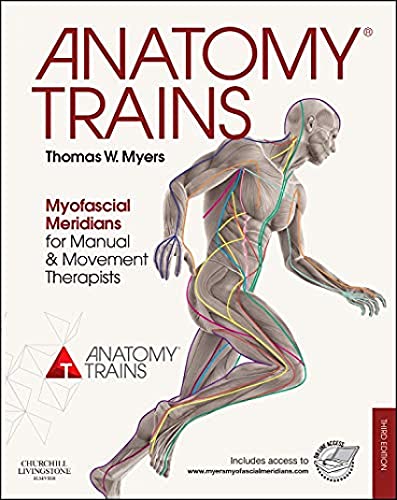
Anatomy Trains: Myofascial Meridians for Manual Therapists and Movement Professionals
Thomas W. Myers ... Get a multi-dimensional understanding of musculoskeletal anatomy withAnatomy Trains: Myofascial Meridians for Manual Therapists & Movement Professionals, 4th Edition.
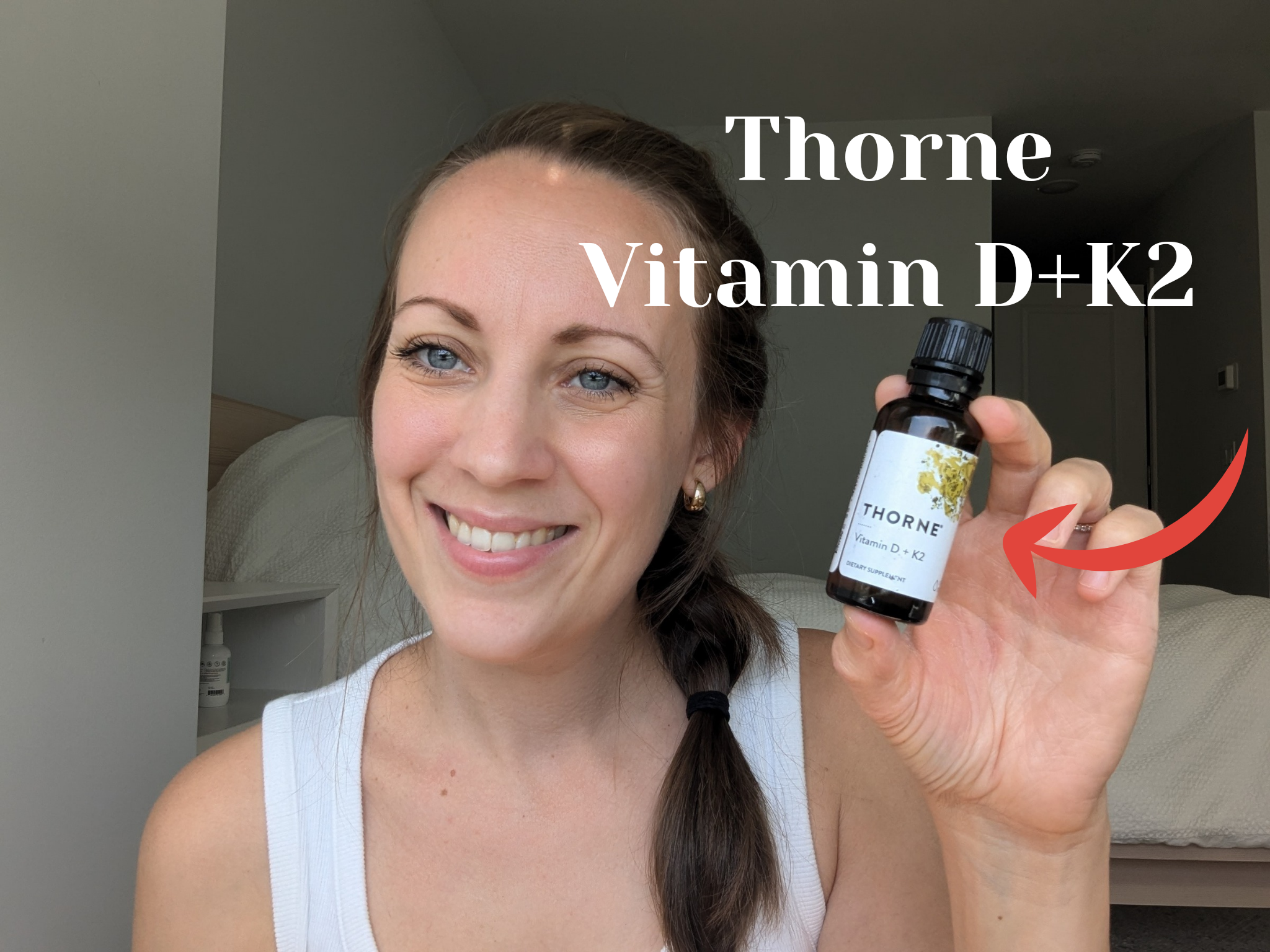
THORNE - Vitamin D + K2 Liquid with a Metered Dispenser - Vitamins D3 & K2 to Support Healthy Bones & Muscles* - 1 Fl Oz (30 ml) - 600 Servings
THORNE - Vitamin D Liquid - Vitamin D Supplement - <strong>Supports Healthy Bones and Muscles, Cardiovascular Health & Immune Function</strong>* - 1 Fl Oz (30 ml) - 600 Servings · THORNE - Vitamin
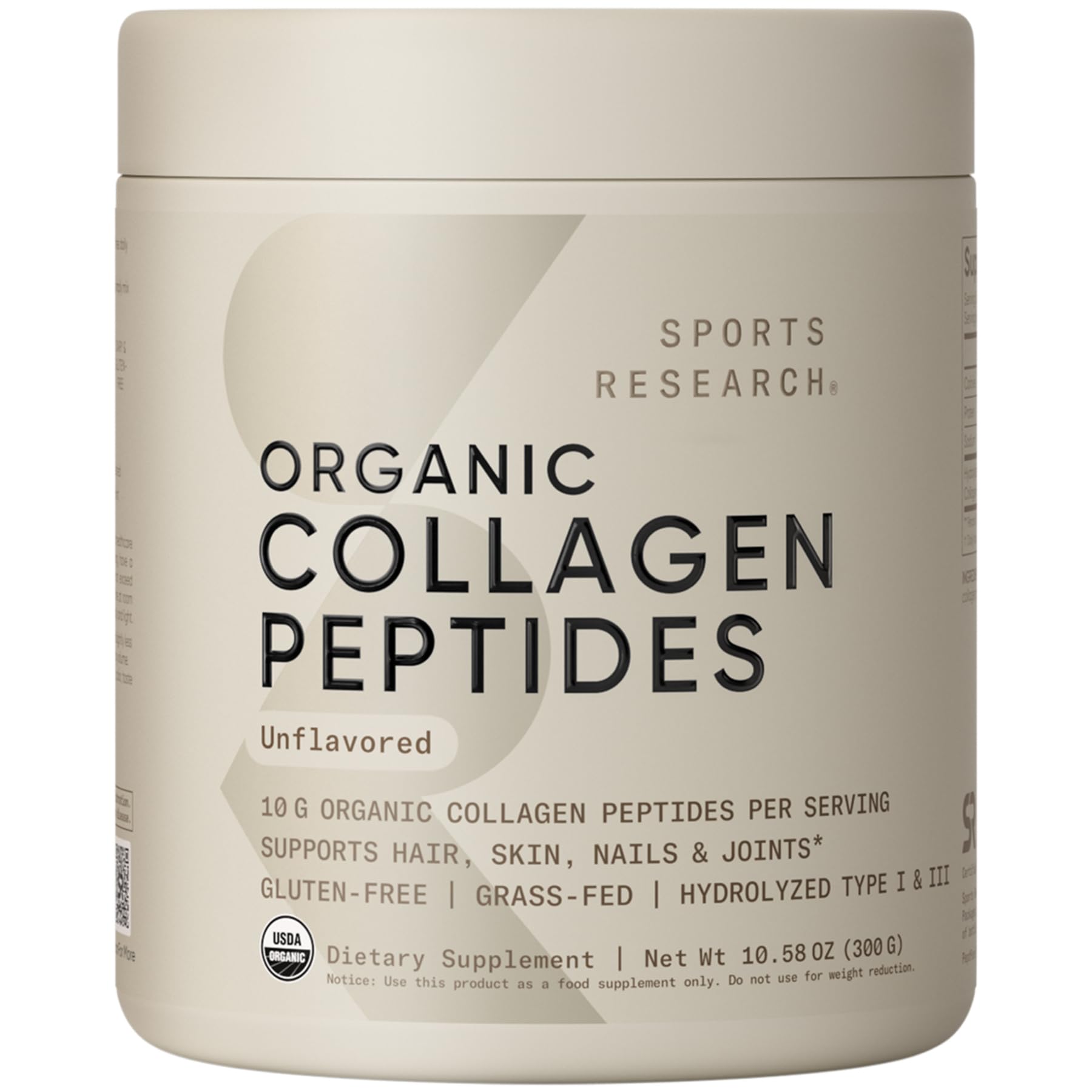
Sports Research Collagen Peptides - Hydrolyzed Type 1 & 3 Collagen Powder Protein Supplement for Healthy Skin, Nails, & Joints - Easy Mixing Vital Nutrients & Proteins, Collagen for Women & Men
Vital Proteins Collagen Peptides Powder Advanced with Hyaluronic Acid & Vitamin C, 20oz Collagen Protein, Unflavored, 27 Servings ... Sports Research® Multi Collagen Protein Powder - Food Sourced
Evidence & Sources
Supported by multiple clinical trials and systematic reviews
- World Health Organization (WHO) – Musculoskeletal Health
- National Institute of Arthritis and Musculoskeletal and Skin Diseases (NIAMS)
- National Institutes of Health Osteoporosis and Related Bone Diseases Resource Center
- The Lancet Rheumatology
- BMJ
- Journal of Orthopaedic & Sports Physical Therapy
- Cochrane Reviews
- NCCIH – Acupuncture and Musculoskeletal Pain
This content is for informational purposes only and does not constitute medical advice. Always consult a qualified healthcare provider before starting, stopping, or changing any supplement or medication regimen.