

Muscular System
Also known as: Muscle System, Myofascial System, Muscle Health
Overview
The muscular system is the body system responsible for movement, posture, joint stability, heat production, and many automatic internal functions. It includes skeletal muscle, which moves the bones; smooth muscle, which lines blood vessels and internal organs; and cardiac muscle, which powers the heart. Together, these tissues do far more than create visible motion: they also support breathing, circulation, digestion, facial expression, balance, and everyday physical resilience.
From a public health perspective, muscular health is closely tied to mobility, independence, recovery from illness, metabolic health, and quality of life. Muscle tissue plays a central role in glucose regulation, physical performance, fall prevention, and healthy aging. Concerns involving the muscular system are common across the lifespan and include muscle strain, soreness, tension, cramps, weakness, loss of muscle mass, overuse injuries, myofascial pain, and impaired recovery. In holistic health settings, people frequently seek information on muscle function in relation to exercise recovery, stress, posture, sleep, hydration, inflammation, and mind-body practices.
Muscular symptoms can arise from many influences, including physical activity, sedentary behavior, aging, nutritional status, hydration, nerve function, circulation, medications, endocrine conditions, and chronic disease. Temporary muscle discomfort after exertion may reflect normal physiological adaptation, while persistent weakness, spasticity, severe cramping, or progressive muscle loss can signal broader medical issues requiring clinical evaluation. Because muscle health intersects with the nervous, endocrine, cardiovascular, and skeletal systems, it is often best understood as part of whole-body function rather than in isolation.
In integrative medicine, the muscular system is often discussed through two complementary lenses. Conventional medicine emphasizes anatomy, biomechanics, neuromuscular signaling, metabolism, and rehabilitation science. Traditional systems may interpret muscular tension, pain, or weakness in terms of circulation, energy flow, constitutional balance, overexertion, stress burden, or depletion. Across these frameworks, a common theme emerges: muscular health reflects both structural integrity and systemic balance, and it is influenced by movement, recovery, nourishment, and the relationship between body and mind.
Medical Perspectives
Two Ways of Seeing Health

Western
scientific · clinical
Western medicine applies science, technology, and clinical experience to treat symptoms through testing, diagnosis, and targeted intervention.

Eastern
traditional · alternative
Eastern medicine focuses on treating the body naturally by applying traditional knowledge practiced for thousands of years, emphasizing balance and whole-person wellness.
Gold Bamboo presents both perspectives side-by-side so you can make informed decisions. We don't advocate for one over the other — your health choices are yours.
Western Medicine Perspective
Western Medicine Perspective
In conventional medicine, the muscular system is understood through anatomy, physiology, biomechanics, and neuromuscular control. Skeletal muscle contracts in response to signals from the nervous system, allowing voluntary movement and stabilization. Smooth muscle regulates involuntary actions such as intestinal motility and vascular tone, while cardiac muscle maintains circulation. Research also recognizes skeletal muscle as a major metabolic organ, involved in insulin sensitivity, energy expenditure, and protein storage. Modern medicine therefore views muscular health as essential not only for strength and mobility, but also for cardiometabolic and functional health.
Common muscular concerns in clinical practice include acute strains, delayed-onset muscle soreness, myofascial pain, cramps, tendinous overload, sarcopenia, immobility-related deconditioning, and muscle symptoms associated with neurological or systemic disease. Evaluation may involve physical examination, strength and range-of-motion testing, imaging in selected cases, and laboratory assessment when inflammation, electrolyte disturbance, endocrine dysfunction, medication effects, or muscle injury are suspected. In older adults, age-related loss of muscle mass and function is a major area of study because it is associated with frailty, falls, hospitalization, and reduced independence.
Conventional approaches to muscular-system support often focus on graded physical activity, resistance training, rehabilitation, sleep, recovery, and adequate nutrition, with context-specific management for injury or disease. Studies indicate that exercise therapy can improve muscle function, reduce pain in some musculoskeletal conditions, and help preserve mass and performance with aging. Research also explores the roles of protein intake, vitamin D status in certain populations, hydration, and management of contributing conditions such as diabetes, thyroid disease, or neurological disorders. When symptoms are persistent, severe, or unexplained, consultation with qualified healthcare professionals is important because muscular complaints can sometimes reflect deeper medical issues.
Eastern & Traditional Perspective
Eastern and Traditional Medicine Perspective
In Traditional Chinese Medicine (TCM), muscular function is often discussed in relation to the smooth flow of Qi and Blood through the channels and collaterals. Muscle tension, spasms, stiffness, heaviness, or weakness may be interpreted as patterns involving stagnation, deficiency, dampness, cold, heat, or overuse. The Spleen is traditionally associated with the nourishment of muscles and limbs, while the Liver is linked to the tendons and the regulation of smooth movement. TCM frameworks commonly view chronic tension or recurrent pain not only as local tissue issues, but also as expressions of systemic imbalance, emotional stress, or impaired circulation.
In Ayurveda, muscular tissue is associated with Mamsa Dhatu, one of the body’s fundamental tissues. Imbalances may be described through the lens of Vata, Pitta, and Kapha, with spasms, dryness, or variable pain often linked to Vata disturbance, and inflammation or burning sensations more often associated with Pitta patterns. Traditional Ayurvedic thought also considers digestion, tissue nourishment, sleep, daily routine, and recovery from exertion to be important influences on muscular resilience. Bodywork, movement practices, and restorative routines are often emphasized in broader constitutional support.
Other traditional and integrative systems, including naturopathy, yoga therapy, tai chi, qigong, massage traditions, and mind-body medicine, often approach the muscular system as deeply affected by stress physiology, posture, breath, circulation, and habitual movement patterns. Research suggests that practices such as tai chi, yoga, and some forms of manual therapy may support flexibility, body awareness, balance, and the perception of muscular tension in certain populations, though results vary by condition and study design. These systems generally frame muscular well-being as the product of regular movement, restorative rest, balanced exertion, and coordinated mind-body function.
Traditional frameworks can offer useful perspectives on lived experience, pattern recognition, and nonpharmacologic support. At the same time, progressive weakness, chest symptoms, severe pain, dark urine after exertion, significant swelling, or loss of function warrant prompt medical evaluation, as these features may indicate conditions outside the scope of traditional self-care models.
Supplements & Products
Recommended Products

The Trigger Point Therapy Workbook: Your Self-Treatment Guide for Pain Relief: Davies NCTMB, Clair, Davies CMTPT LMT, Amber, Simons MD, David G.
The Trigger Point Therapy Workbook, Third Edition, has made a huge impact among health professionals and the public alike, becoming an overnight classic in the field of pain relief. This edition inclu
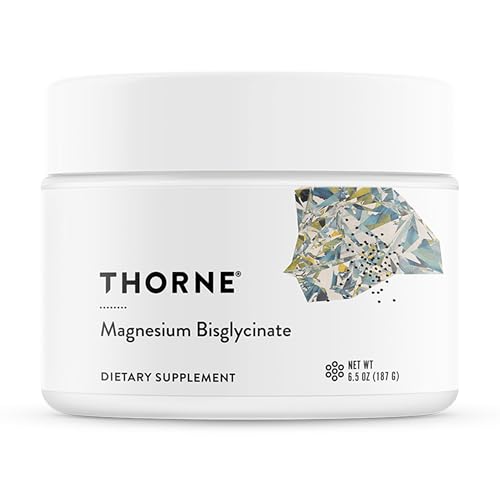
THORNE - Magnesium Bisglycinate - Powdered Magnesium Formula - Supports Restful Sleep, Muscle Relaxation, Heart Health & Metabolism* - NSF Certified for Sport - Gluten, Dairy & Soy-Free - 60 Servings
THORNE - Magnesium Glycinate - <strong>Supports Restful Sleep, Muscle Relaxation, Heart Health & Metabolism</strong>* - Chelated Magnesium Capsules - Third-Party Certified - Gluten, Dairy & So

TriggerPoint GRID Foam Roller for Exercise, Deep Tissue Massage and Muscle Recovery, Original (13-Inch)
The 13-inch GRID X features <strong>extra dense foam for working the tightest muscles</strong>. Purchase of any TriggerPoint GRID foam roller includes free access to an online instructional video libr
Evidence & Sources
Supported by multiple clinical trials and systematic reviews
- NIH National Institute of Arthritis and Musculoskeletal and Skin Diseases (NIAMS)
- National Institute on Aging
- American College of Sports Medicine
- World Health Organization
- National Center for Complementary and Integrative Health (NCCIH)
- The Lancet
- Journal of Applied Physiology
- British Journal of Sports Medicine
This content is for informational purposes only and does not constitute medical advice. Always consult a qualified healthcare provider before starting, stopping, or changing any supplement or medication regimen.