

Mucosal Immune System
Also known as: Mucosal Immunity, MALT, Mucosa-Associated Immune System
Overview
The mucosal immune system is the branch of immunity that protects the body’s internal surfaces that are continuously exposed to the outside world, including the gastrointestinal tract, respiratory tract, oral cavity, nasal passages, eyes, and genitourinary tract. These surfaces form a vast interface between the body and the environment, encountering food antigens, airborne particles, microbes, and chemical irritants every day. Rather than acting only as a defensive wall, mucosal immunity functions as a highly selective system that must distinguish harmless exposures from true threats, allowing tolerance to food and beneficial microbes while mounting responses against pathogens.
A central feature of mucosal immunity is the combination of physical barriers, mucus layers, antimicrobial compounds, immune cells, and the resident microbiome. Epithelial cells line mucosal tissues and help regulate permeability; mucus helps trap organisms and particles; secretory immunoglobulin A (sIgA) helps neutralize microbes without triggering excessive inflammation; and immune structures such as gut-associated lymphoid tissue (GALT) coordinate local immune surveillance. Because a large proportion of immune activity is associated with the gut, the intestinal mucosa is often a major focus in both conventional and integrative discussions of immune resilience.
Interest in the mucosal immune system has expanded in relation to allergies, asthma, inflammatory bowel conditions, recurrent respiratory infections, oral health, food sensitivity research, and microbiome science. Studies suggest that disruptions in barrier integrity, altered microbial diversity, chronic inflammation, or dysregulated immune tolerance may contribute to a range of conditions. In integrative and alternative medicine, these themes are often described in terms such as barrier health, intestinal permeability, terrain, or host-microbe balance. While some of these concepts overlap with established immunology, the strength of evidence varies by condition and by specific intervention.
The topic is clinically significant because mucosal tissues are involved not only in defense against infection but also in immune education across the lifespan. Early-life microbial exposure, breastfeeding, diet, stress, environmental toxins, sleep, and medication exposure—especially antibiotics—may all influence mucosal immune development and regulation. At the same time, mucosal immune dysfunction is not a single diagnosis; it is a broad physiologic concept that intersects with multiple specialties, including gastroenterology, allergy/immunology, pulmonology, infectious disease, and oral medicine. Any persistent symptoms involving digestion, recurrent infections, allergy-like reactions, or chronic inflammation warrant evaluation by a qualified healthcare professional.
Medical Perspectives
Two Ways of Seeing Health

Western
scientific · clinical
Western medicine applies science, technology, and clinical experience to treat symptoms through testing, diagnosis, and targeted intervention.

Eastern
traditional · alternative
Eastern medicine focuses on treating the body naturally by applying traditional knowledge practiced for thousands of years, emphasizing balance and whole-person wellness.
Gold Bamboo presents both perspectives side-by-side so you can make informed decisions. We don't advocate for one over the other — your health choices are yours.
Western Medicine Perspective
Western Medicine Perspective
In conventional medicine, the mucosal immune system is understood as a specialized part of the innate and adaptive immune system. Its major roles include maintaining barrier integrity, producing localized immune responses, and promoting immune tolerance to harmless substances. Key components include epithelial tight junctions, mucus-producing goblet cells, antimicrobial peptides, dendritic cells, macrophages, T and B lymphocytes, and secretory antibodies—especially IgA. The gut is the best-studied mucosal organ, but similar principles apply across the lungs, sinuses, oral cavity, and other mucosal tissues.
Research indicates that mucosal dysfunction may be associated with conditions such as celiac disease, inflammatory bowel disease, allergic rhinitis, asthma, chronic rhinosinusitis, food allergy, certain autoimmune conditions, and recurrent infections. In these contexts, conventional medicine evaluates identifiable mechanisms such as impaired epithelial barrier function, altered cytokine signaling, dysbiosis, abnormal immune activation, or defective tolerance. However, mainstream medicine generally treats these as specific disease processes, rather than diagnosing a broad, standalone condition called “mucosal immune weakness.”
There is strong scientific interest in the relationship between the microbiome and mucosal immunity. Studies suggest that commensal microbes help shape immune maturation, regulate inflammatory pathways, and support epithelial health. At the same time, the microbiome is complex and highly individualized, and findings from early studies do not always translate into clear clinical outcomes. Similarly, concepts such as “leaky gut” have a basis in research on intestinal permeability, but this area is often oversimplified outside medical contexts. Conventional medicine tends to interpret barrier dysfunction within defined disorders and relies on established diagnostic criteria rather than broad symptom-based claims.
Conventional approaches may include investigation of underlying infection, allergy, inflammatory disease, nutritional deficiency, medication effects, or structural pathology. Preventive and therapeutic strategies in mainstream care often focus on vaccination, management of allergic and inflammatory disease, nutrition support where indicated, and treatment of specific underlying conditions. Ongoing research is exploring mucosal vaccines, targeted biologic therapies, microbiome-modulating interventions, and biomarkers of barrier function, but many applications remain under active study rather than settled clinical consensus.
Eastern & Traditional Perspective
Eastern/Traditional Medicine Perspective
In Traditional Chinese Medicine (TCM), the functions now associated with mucosal immunity are not described in modern immunologic terms, but they overlap with classical concepts of Wei Qi (defensive qi), Lung, Spleen, and the body’s protective fluids and membranes. The Lung is traditionally said to govern the exterior and the nose, influencing the body’s defensive capacity against external pathogens, while the Spleen is associated with transformation of food and fluids, which in modern integrative interpretations is often linked to digestive resilience and the gut environment. Recurrent sinus issues, phlegm, loose stools, fatigue, and sensitivity to environmental triggers may be framed as patterns involving Lung qi deficiency, Spleen qi deficiency, dampness, or heat, depending on the presentation.
In Ayurveda, related ideas are often discussed through the lenses of Agni (digestive and metabolic fire), Ama (accumulated metabolic byproducts or undigested residue), and Ojas (vital essence associated with resilience and immunity). From this perspective, healthy digestion, proper assimilation, balanced tissues, and harmonious interaction with the environment are central to maintaining defense at the body’s interfaces. The respiratory and gastrointestinal tracts are often viewed as closely connected, and susceptibility to congestion, irritation, or food reactivity may be interpreted within broader constitutional patterns involving Kapha, Pitta, or Vata imbalance.
In naturopathic and functional traditions, the mucosal immune system is frequently discussed in terms of barrier integrity, microbiome balance, inflammatory load, and host defense. These frameworks often emphasize the interaction among digestion, stress physiology, environmental exposures, and microbial ecology. Herbs, fermented foods, dietary patterns, mind-body regulation, and lifestyle practices are traditionally used with the aim of supporting the body’s natural defenses, although the evidence base differs widely depending on the specific practice or condition studied.
Across traditional systems, a common theme is that mucosal health reflects the broader state of the organism rather than an isolated organ problem. These systems typically consider digestion, breathing, sleep, stress, seasonal influences, and constitutional tendency as interconnected. While some traditional concepts align indirectly with modern interest in the microbiome, inflammation, and barrier function, they arise from different diagnostic models and should not be treated as exact equivalents. Integrative care is best interpreted cautiously and in coordination with qualified healthcare professionals, particularly when significant gastrointestinal, allergic, or respiratory symptoms are present.
Supplements & Products
Recommended Products

Mucosal Immunology: Mestecky, Jiri, Strober, Warren, Russell, Michael W., Cheroutre, Hilde, Lambrecht, Bart N., Kelsall, Brian L
Mucosal Immunology [Mestecky, Jiri, Strober, Warren, Russell, Michael W., Cheroutre, Hilde, Lambrecht, Bart N., Kelsall, Brian L] on Amazon.com. *FREE* shipping on qualifying offers. Mucosal Immunolog
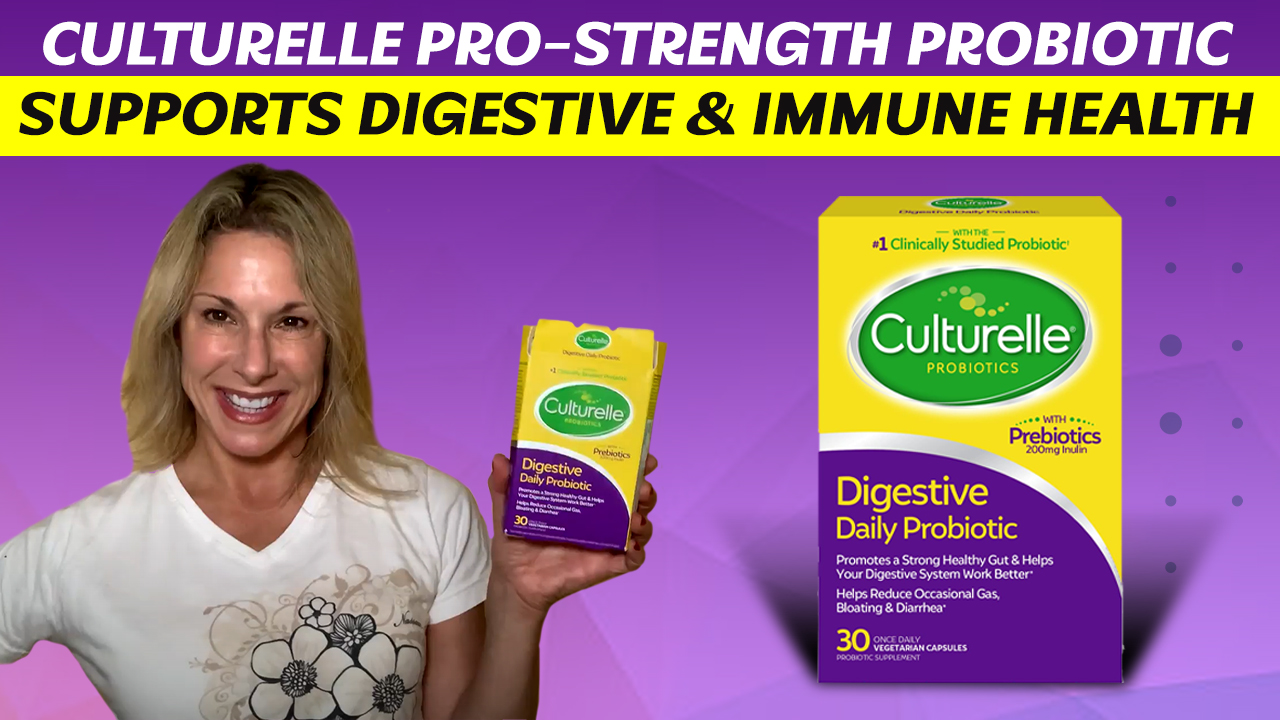
Culturelle Pro Strength Daily Probiotics For Digestive Health (2 Month Supply) with Prebiotics for Women & Men, Supports Occasional Diarrhea, Gas & Bloating, Gluten & Soy Free, 60 Count
PROVEN EFFECTIVE STRAIN: Culturelle Pro Strength Daily Probiotics for Men & Women are <strong>formulated with the clinically studied probiotic strain, Lactobacillus rhamnosus GG</strong> which has
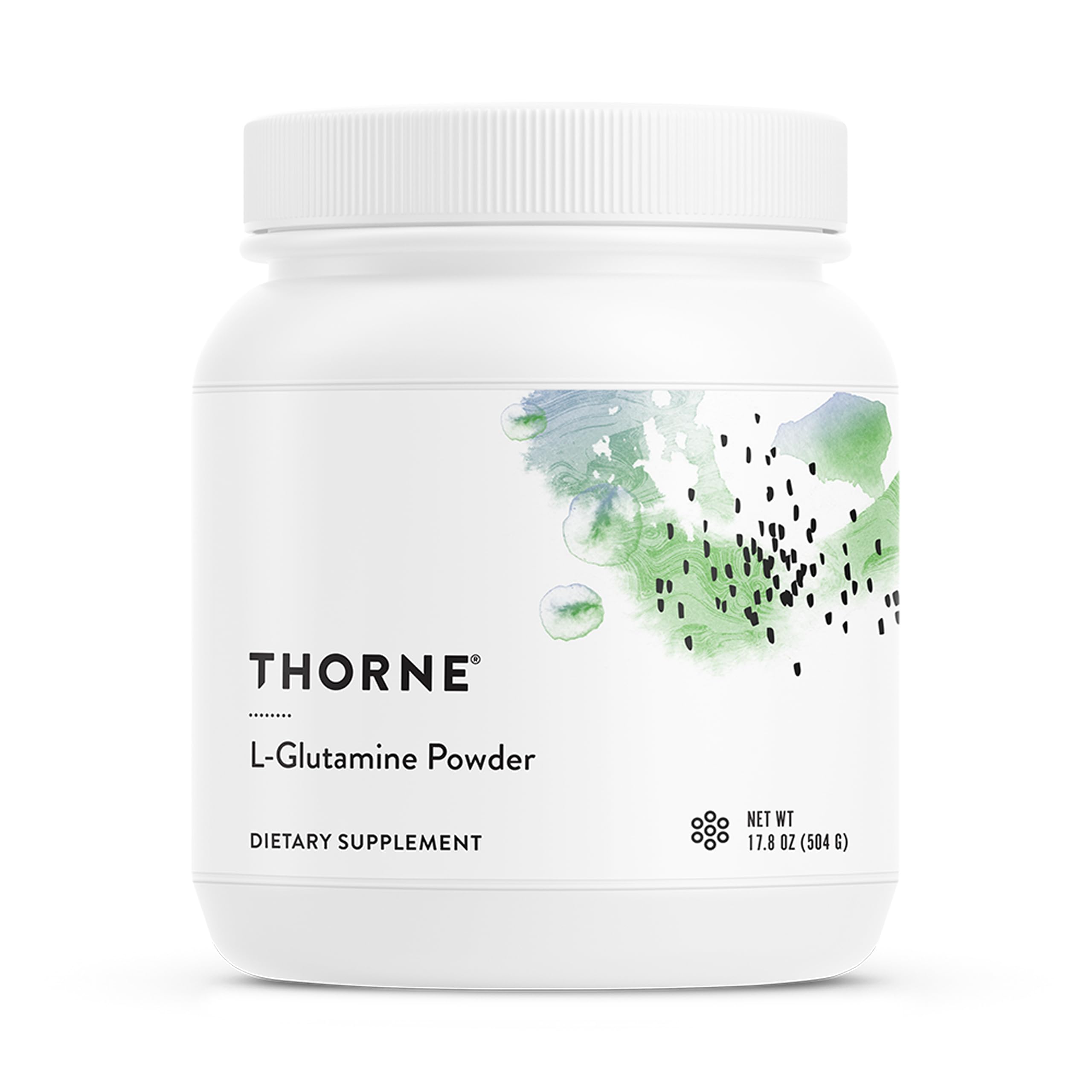
THORNE - L-Glutamine Powder - Glutamine Powder for GI Health and Immune Function* - 17.8 Oz
Momentous L-Glutamine Powder - <strong>Gut Health & Muscle Recovery Supplement - Boosts Exercise Performance & Immune Function</strong> - NSF Certified for Sport - 5 g - 60 Servings · Pure Enc
Evidence & Sources
Promising research with growing clinical support from multiple studies
- Nature Reviews Immunology
- Mucosal Immunology
- National Institute of Allergy and Infectious Diseases (NIAID)
- National Center for Complementary and Integrative Health (NCCIH)
- World Health Organization (WHO)
- Cell
- New England Journal of Medicine
- Nature Reviews Gastroenterology & Hepatology
This content is for informational purposes only and does not constitute medical advice. Always consult a qualified healthcare provider before starting, stopping, or changing any supplement or medication regimen.