

Joints
Also known as: Articulations, Bony Connections
Overview
Joints are the structures where two or more bones meet. They provide the body with movement, stability, shock absorption, and mechanical support, making everyday actions such as walking, reaching, bending, and gripping possible. Joints are not all built the same: some are designed for broad mobility, such as the shoulder and hip, while others prioritize stability, such as the joints of the pelvis and spine. Their function depends on the coordinated health of cartilage, synovial fluid, ligaments, tendons, muscles, and surrounding connective tissue.
Joints are commonly classified by both structure and function. Fibrous joints allow little to no movement, cartilaginous joints allow limited movement, and synovial joints—the most familiar type—allow the greatest range of motion. Synovial joints include the knees, elbows, wrists, ankles, and fingers, and contain a joint capsule, synovial membrane, and lubricating fluid. The integrity of these tissues helps reduce friction and distribute load during movement.
Joint health is a major public health concern because joint symptoms become increasingly common with age, repetitive strain, injury, metabolic changes, and inflammatory conditions. Osteoarthritis, autoimmune diseases such as rheumatoid arthritis, crystal-related conditions such as gout, and traumatic injuries can all affect joint structure and function. Pain, stiffness, swelling, reduced mobility, and instability are among the most common symptoms associated with joint dysfunction. These symptoms can influence physical activity, sleep, work capacity, and overall quality of life.
From a broader health perspective, joints reflect the interaction of mechanics, inflammation, circulation, body weight, muscle strength, and systemic health. Research suggests that joint well-being is shaped not only by local wear and injury, but also by factors such as immune activity, bone density, metabolic status, and physical conditioning. Because joint concerns can arise from many different causes, clinical evaluation is often important—especially when pain is persistent, swelling is significant, movement is limited, or symptoms are accompanied by warmth, redness, fever, or deformity.
Medical Perspectives
Two Ways of Seeing Health

Western
scientific · clinical
Western medicine applies science, technology, and clinical experience to treat symptoms through testing, diagnosis, and targeted intervention.

Eastern
traditional · alternative
Eastern medicine focuses on treating the body naturally by applying traditional knowledge practiced for thousands of years, emphasizing balance and whole-person wellness.
Gold Bamboo presents both perspectives side-by-side so you can make informed decisions. We don't advocate for one over the other — your health choices are yours.
Western Medicine Perspective
Western Medicine Perspective
In conventional medicine, joints are understood through anatomy, biomechanics, inflammation, and tissue degeneration. Healthy joint function depends on the smooth interaction of articular cartilage, bone surfaces, ligaments, synovial lining, muscles, and nerves. Western medicine distinguishes between degenerative, inflammatory, infectious, traumatic, and metabolic joint disorders. For example, osteoarthritis is generally associated with cartilage breakdown and joint remodeling over time, while rheumatoid arthritis is driven by immune-mediated inflammation. Acute joint pain may also be linked to injury, tendon or ligament damage, bursitis, or crystal deposition disorders.
Assessment commonly includes a medical history, physical examination, imaging, and laboratory testing when appropriate. X-rays may help identify changes in bone alignment or osteoarthritis; MRI and ultrasound can provide additional information about soft tissues, cartilage, and synovitis. Blood tests and joint fluid analysis may be used when inflammatory arthritis, gout, infection, or autoimmune disease is suspected. Conventional care often focuses on understanding the underlying cause rather than viewing all joint symptoms as a single condition.
Management in western settings often emphasizes function preservation, symptom control, inflammation reduction, rehabilitation, and prevention of further damage. Studies indicate that approaches such as therapeutic exercise, physical therapy, weight management in appropriate populations, assistive supports, and condition-specific medications may play important roles depending on the diagnosis. In some cases, injections or surgical interventions are considered for advanced structural damage or instability. Because some joint symptoms can signal urgent conditions—such as septic arthritis, fracture, or rapidly progressive inflammatory disease—timely medical assessment may be important.
Eastern & Traditional Perspective
Eastern / Traditional Medicine Perspective
In Traditional Chinese Medicine (TCM), joint discomfort is often viewed through patterns involving the flow of Qi and Blood through the meridians. Joint pain, stiffness, heaviness, or reduced flexibility may be described in relation to Bi syndrome, traditionally associated with the obstruction of movement by influences such as Wind, Cold, Damp, or Heat. Different symptom patterns are interpreted differently: for example, fixed severe pain may be associated with Cold, while swollen or warm joints may be associated with Damp-Heat. TCM theory also connects long-term joint weakness with constitutional factors involving the Liver and Kidney systems, which are traditionally said to nourish tendons and bones.
Traditional East Asian approaches may include acupuncture, moxibustion, manual therapies, movement practices such as tai chi or qigong, and herbal medicine, with selection based on the individual pattern rather than the joint alone. Research suggests acupuncture and tai chi have been studied most extensively for chronic musculoskeletal and osteoarthritis-related symptoms, with mixed but often supportive findings for pain and function in some populations. Herbal approaches are widely used traditionally, though product quality, standardization, herb-drug interactions, and variability in study design remain important considerations.
In Ayurveda, joints are often understood in relation to Vata dosha, especially when there is dryness, cracking, variable pain, or degeneration. Inflammatory joint patterns may also be interpreted through other doshic imbalances and the concept of ama (metabolic or digestive byproducts that are traditionally believed to contribute to obstruction and inflammation). Ayurvedic care may incorporate dietary frameworks, bodywork, herbal preparations, yoga, and detoxification-oriented traditions, though the evidence base varies substantially by intervention.
In naturopathic and integrative medicine, joint health is often approached through a whole-person lens that considers dietary patterns, inflammation, movement, sleep, stress, connective tissue support, and digestive-metabolic health. This perspective often overlaps with conventional rehabilitation principles while also incorporating traditional modalities. As with all persistent or severe joint symptoms, consultation with qualified healthcare professionals is important, especially to rule out infection, autoimmune disease, fracture, or other serious causes.
Supplements & Products
Recommended Products

Mayo Clinic Guide to Arthritis: Managing Joint Pain for an Active Life - Kindle edition by Peterson, Lynne S.. Health, Fitness & Dieting Kindle eBooks @ Amazon.com.
Mayo Clinic Guide to Arthritis: • <strong>Breaks down different forms of arthritis and joint pain to help you understand their causes, their signs and symptoms, and what each may mean for your health<

Move Free Advanced Glucosamine Chondroitin MSM Joint Support Supplement, Supports Mobility, Comfort, Strength, Flexibility & Bone, 120 Tablets/40 Servings (2 Pack)
Move Free Advanced Glucosamine Chondroitin + Calcium Fructoborate Joint Support Supplement, Supports Mobility Comfort Strength Flexibility & Bone - 160 Tablets (80 servings)* Schiff Move Free Adva
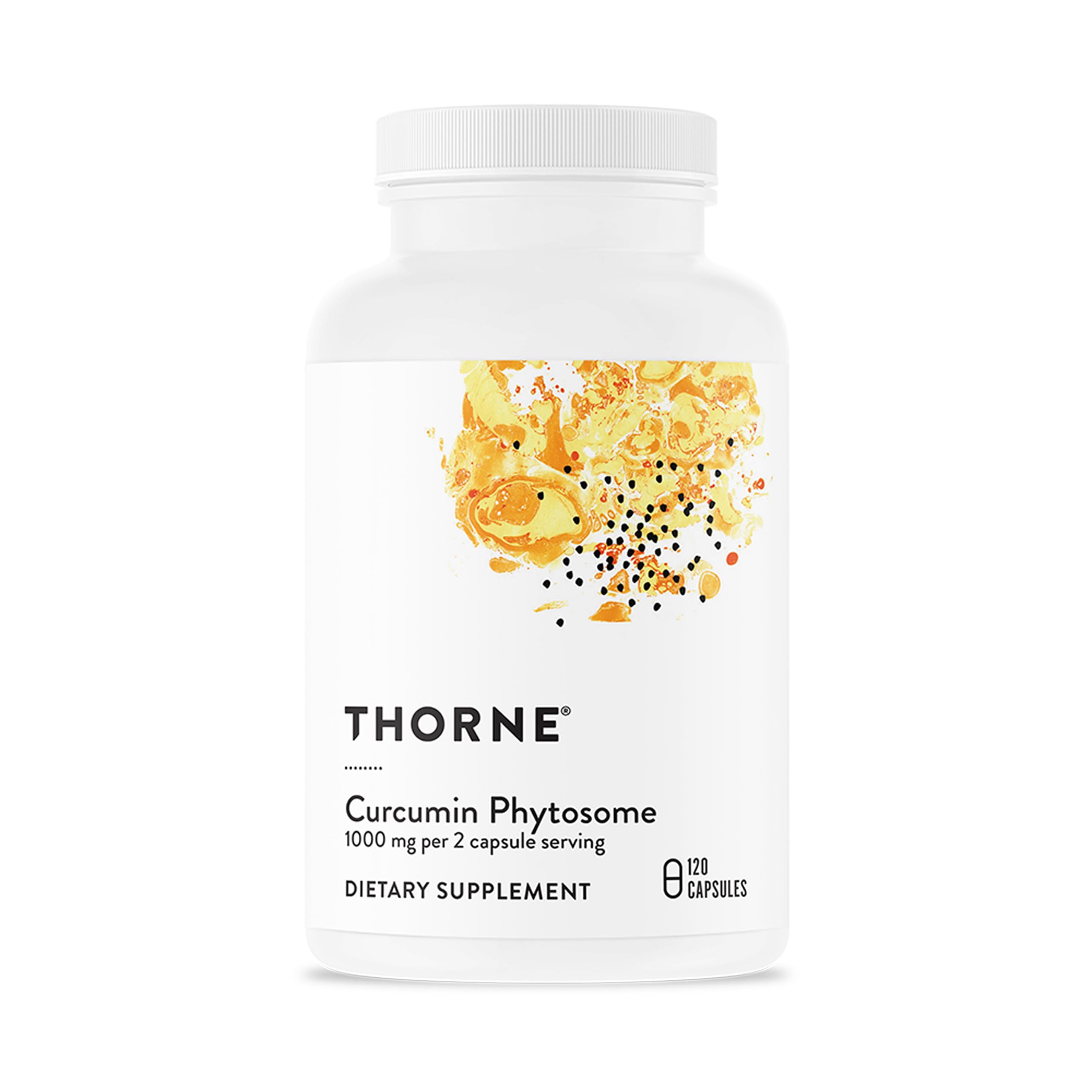
THORNE - Curcumin Phytosome 1000 mg (Meriva) - Clinically Studied, High Absorption - Supports Healthy Inflammatory Response in Joints, Muscles, GI Tract, Liver, Brain & Nerves* - 30 Servings
THORNE - Curcumin Phytosome 500 mg (Meriva) - Sustained Release, Clinically Studied - <strong>Supports Healthy Inflammatory Response in Joints, Muscles, GI Tract, Liver, Brain & Nerves</strong>* -
Evidence & Sources
Promising research with growing clinical support from multiple studies
- National Institute of Arthritis and Musculoskeletal and Skin Diseases (NIAMS)
- Centers for Disease Control and Prevention (CDC) – Arthritis
- World Health Organization (WHO)
- National Center for Complementary and Integrative Health (NCCIH)
- The Lancet
- Nature Reviews Rheumatology
- Arthritis & Rheumatology
- Osteoarthritis and Cartilage
- Annals of the Rheumatic Diseases
- Cochrane Reviews
This content is for informational purposes only and does not constitute medical advice. Always consult a qualified healthcare provider before starting, stopping, or changing any supplement or medication regimen.