

Integumentary System
Also known as: Skin System, Dermal System
Overview
The integumentary system is the body system made up primarily of the skin, hair, nails, sweat glands, and sebaceous (oil) glands. It serves as the body's outer interface with the environment and is essential for protection, temperature regulation, sensation, immune defense, wound repair, and vitamin D synthesis. Although often discussed mainly in cosmetic terms, the integumentary system is a highly active organ network with broad significance for overall health.
The skin is the largest organ of the body and consists of multiple layers, including the epidermis, dermis, and subcutaneous tissue. These layers work together to create a barrier against pathogens, ultraviolet radiation, chemicals, and mechanical injury, while also helping maintain fluid balance and preventing excessive water loss. Hair and nails, while structurally distinct, are specialized appendages of the skin that contribute to protection, sensory function, and daily physical resilience.
Disorders of the integumentary system are among the most common health concerns worldwide. These include eczema, acne, psoriasis, fungal infections, wounds, burns, hair loss, pigment disorders, nail disorders, and skin cancers. Many skin conditions are influenced by multiple factors, including genetics, immune activity, hormones, nutrition, environmental exposures, aging, stress, and systemic disease. Because visible changes in the skin, hair, or nails can reflect deeper internal processes, the integumentary system is often considered an important window into broader health status.
From a public health perspective, the integumentary system is significant not only because of disease burden, but also because of its role in infection prevention, occupational exposure, sun damage, and aging-related changes. In both conventional and traditional medicine, care of the skin and related tissues is often understood as extending beyond appearance alone, encompassing barrier integrity, inflammation, circulation, and the relationship between the body's internal and external environments. Any persistent, changing, painful, bleeding, or unusual lesions warrant evaluation by a qualified healthcare professional.
Medical Perspectives
Two Ways of Seeing Health

Western
scientific · clinical
Western medicine applies science, technology, and clinical experience to treat symptoms through testing, diagnosis, and targeted intervention.

Eastern
traditional · alternative
Eastern medicine focuses on treating the body naturally by applying traditional knowledge practiced for thousands of years, emphasizing balance and whole-person wellness.
Gold Bamboo presents both perspectives side-by-side so you can make informed decisions. We don't advocate for one over the other — your health choices are yours.
Western Medicine Perspective
Western Medicine Perspective
In conventional medicine, the integumentary system is understood through anatomy, physiology, immunology, microbiology, dermatology, and wound-healing science. The skin is recognized as a dynamic organ involved in barrier defense, sensory signaling, thermoregulation, endocrine activity, and immune surveillance. Modern research has highlighted the importance of the skin barrier, the cutaneous immune system, and the skin microbiome in maintaining health and influencing conditions such as atopic dermatitis, acne, rosacea, and psoriasis.
Clinical evaluation typically considers the appearance, distribution, duration, and pattern of skin, hair, and nail changes, along with symptoms such as itching, pain, scaling, drainage, or pigment alteration. Dermatologic assessment may include physical examination, dermoscopy, patch testing, microscopy, culture, or biopsy, depending on the concern. Conventional management varies by condition and may involve topical therapies, systemic medications, procedural interventions, wound care strategies, photoprotection, and cancer screening or surveillance. Research supports the importance of early recognition of potentially serious findings, particularly melanoma, non-melanoma skin cancer, severe infections, and inflammatory diseases associated with systemic illness.
Western medicine also recognizes that the integumentary system interacts closely with other body systems. Skin findings may be associated with autoimmune disease, endocrine disorders, liver disease, kidney disease, nutritional deficiencies, vascular disease, or adverse drug reactions. Hair and nail changes can also offer diagnostic clues. This systems-based view has strengthened the role of the integumentary system in preventive care, chronic disease monitoring, and interdisciplinary medicine.
Current evidence is especially strong for topics such as skin cancer prevention, wound healing principles, inflammatory skin disease mechanisms, and barrier repair science, while other areas—such as microbiome-targeted therapies and personalized dermatology—remain active fields of research. In cases of persistent or unexplained integumentary symptoms, consultation with a dermatologist or other qualified healthcare provider is important.
Eastern & Traditional Perspective
Eastern and Traditional Medicine Perspective
In Traditional Chinese Medicine (TCM), the skin, body hair, and pores are commonly viewed as being closely related to the functional state of the Lung system, which is said to govern the exterior of the body and regulate defensive qi. The skin may also reflect the condition of the Blood, Yin, and the balance of internal heat, dampness, dryness, or wind. Traditionally, symptoms such as itching, rashes, dryness, or eruptions are interpreted through pattern-based frameworks rather than isolated disease labels. Hair is often associated with the nourishment of Blood and Kidney essence, while nails are classically linked to the Liver and the quality of Blood.
In Ayurveda, the skin is often discussed through the concept of tvak and understood in relation to the doshas—particularly Pitta for inflammation and heat, Vata for dryness and roughness, and Kapha for oiliness, congestion, or thickened conditions. Hair and nails are also considered reflections of systemic balance, digestion, tissue nourishment, and constitutional tendencies. Traditional Ayurvedic interpretation frequently connects skin manifestations with agni (digestive/metabolic fire), tissue health, and the accumulation of imbalance patterns that may become visible externally.
Other traditional and naturopathic systems often emphasize the integumentary system as a surface expression of broader physiologic balance, including nutrition, circulation, stress response, environmental exposure, and elimination pathways. Herbal preparations, topical oils, bathing practices, and dietary frameworks have been traditionally used in many cultures to support skin comfort and resilience. However, the quality of evidence varies substantially depending on the specific therapy and condition, and not all traditional practices have been studied to modern clinical standards.
An integrative view often recognizes shared themes across systems: the skin as a protective boundary, a mirror of internal function, and a tissue affected by environment, immunity, and lifestyle. Because visible skin, hair, or nail changes can occasionally signal serious underlying disease, traditional approaches are best considered alongside appropriate medical evaluation when symptoms are severe, persistent, infected, rapidly changing, or otherwise concerning.
Supplements & Products
Recommended Products
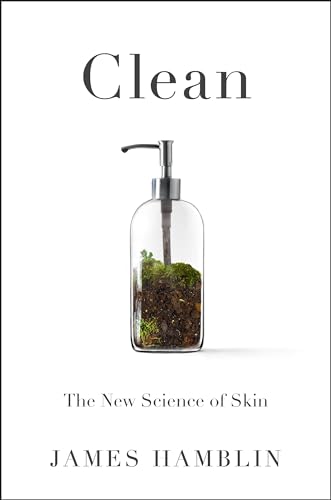
Clean: The New Science of Skin: Hamblin, James
An enormous alternative industry ... In Clean, doctor and journalist James Hamblin <strong>explores how we got here, examining the science and culture of how we care for our skin today</strong>....

Life Extension Skin Restoring Ceramides* – Wheat Oil Extract – Hydrates & Smooths The Appearance of Fine Lines & Wrinkles – Gluten-Free, Non-GMO, 1-Daily, Vegetarian – 30 Liquid Capsules
This formula includes ultra-pure ... ways: it <strong>helps smooth the appearance of fine lines and wrinkles, promotes healthy skin hydration and comfort, and even encourages healthy levels of ceramid

EltaMD UV Clear Face Sunscreen SPF 46, Oil-Free Sunscreen with Zinc Oxide, Dermatologist Recommended : Everything Else
... Loading content. ... <strong>EltaMD UV Clear Face Sunscreen is an oil free sunscreen made with Zinc Oxide</strong>. This SPF 46 facial sunscreen is lightweight and helps calm and protect sensitive
Evidence & Sources
Supported by multiple clinical trials and systematic reviews
- National Institute of Arthritis and Musculoskeletal and Skin Diseases (NIAMS)
- American Academy of Dermatology
- National Cancer Institute
- World Health Organization (WHO)
- New England Journal of Medicine
- The Lancet
- Journal of Investigative Dermatology
- Nature Reviews Immunology
This content is for informational purposes only and does not constitute medical advice. Always consult a qualified healthcare provider before starting, stopping, or changing any supplement or medication regimen.