

Hair
Also known as: Scalp Hair, Follicles
Overview
Hair is a specialized filament made primarily of the protein keratin, produced by follicles embedded in the skin. Although often discussed for its cosmetic and cultural importance, hair also serves several biological functions. Scalp hair provides some insulation and protection from ultraviolet exposure, eyelashes and eyebrows help shield the eyes from debris and sweat, and body hair contributes modestly to temperature regulation, sensation, and skin barrier interactions. Hair growth is cyclical, moving through phases of active growth (anagen), transition (catagen), rest (telogen), and shedding (exogen). Because of this cycle, some daily hair shedding is considered normal.
Hair health is influenced by a wide range of factors, including genetics, age, hormones, nutrition, stress, systemic illness, medications, and local scalp conditions. Changes in hair texture, density, breakage, or shedding can sometimes reflect underlying processes elsewhere in the body. For example, hormonal shifts may alter follicle activity, inflammatory scalp disorders may disrupt hair growth, and nutritional deficiencies may affect hair shaft quality or growth patterns. In this way, hair is often viewed as both a body structure and a potential indicator of broader health status.
From a public health perspective, hair concerns are extremely common. Pattern hair loss, temporary stress-related shedding, dandruff, and scalp irritation affect large numbers of adults worldwide. While many hair changes are benign and age-related, others may warrant clinical evaluation, especially when they are sudden, patchy, scarring, or accompanied by symptoms such as itching, pain, scaling, or signs of systemic disease. Research in dermatology increasingly examines the biology of the follicle as an immune, hormonal, and regenerative microenvironment rather than a simple cosmetic appendage.
Across medical traditions, hair is also understood symbolically and diagnostically. Conventional medicine tends to focus on follicular biology, endocrinology, dermatology, and nutrition. Traditional systems such as Traditional Chinese Medicine (TCM) and Ayurveda often interpret hair as reflecting internal balance, vitality, circulation, and tissue nourishment. These perspectives differ in language and theory, but both recognize that hair quality may be influenced by whole-body factors rather than external care alone.
Medical Perspectives
Two Ways of Seeing Health

Western
scientific · clinical
Western medicine applies science, technology, and clinical experience to treat symptoms through testing, diagnosis, and targeted intervention.

Eastern
traditional · alternative
Eastern medicine focuses on treating the body naturally by applying traditional knowledge practiced for thousands of years, emphasizing balance and whole-person wellness.
Gold Bamboo presents both perspectives side-by-side so you can make informed decisions. We don't advocate for one over the other — your health choices are yours.
Western Medicine Perspective
Western Medicine Perspective
In conventional medicine, hair is understood as a skin appendage produced by the hair follicle, a dynamic mini-organ with its own blood supply, stem cell niches, sebaceous gland associations, and growth cycle regulation. The follicle is highly responsive to androgens, thyroid hormones, immune signaling, nutritional status, and inflammatory mediators. Western dermatology classifies hair disorders into broad groups such as non-scarring alopecia (including androgenetic alopecia, telogen effluvium, and alopecia areata), scarring alopecia, hair shaft abnormalities, and scalp disorders that secondarily affect hair growth.
Common conventional causes of hair change include genetic pattern hair loss, autoimmune activity, fungal infection, traction from hairstyles, postpartum hormonal shifts, thyroid dysfunction, iron deficiency, and medication effects. Clinical evaluation often considers the pattern and timing of loss, associated symptoms, family history, and scalp examination findings. Studies indicate that hair disorders can also carry a substantial psychosocial burden, affecting self-image, mood, and quality of life, even when they are not medically dangerous.
Western research also examines the role of nutrition and systemic health. Evidence suggests that deficiencies in nutrients such as iron, zinc, protein, vitamin D, and certain B vitamins may contribute to some cases of shedding or poor hair quality, though not all hair concerns are caused by deficiency. Similarly, seborrheic dermatitis, psoriasis, and inflammatory scalp conditions may alter the scalp environment and indirectly affect hair retention. In this framework, hair health is best understood as the result of interactions among follicle biology, scalp condition, endocrine balance, immune function, and overall health status.
Eastern & Traditional Perspective
Eastern/Traditional Medicine Perspective
In Traditional Chinese Medicine (TCM), hair is often described as being closely related to the Blood and the Kidney essence (Jing). Classical theory holds that the hair is nourished by sufficient Blood and reflects the vitality of the Kidneys and Liver systems. Hair that becomes dry, brittle, thinning, or prematurely graying may traditionally be interpreted as a sign of internal deficiency, reduced nourishment, or impaired circulation of Qi and Blood. Scalp conditions may also be framed in terms of patterns such as wind, dampness, heat, or blood deficiency, depending on the presentation.
In Ayurveda, hair is commonly associated with broader constitutional balance and tissue metabolism. Traditional Ayurvedic texts often relate healthy hair to the nourishment of bodily tissues and the balance of doshas, particularly Pitta in relation to heat and metabolism, and Vata in relation to dryness and fragility. Hair loss, premature graying, dandruff, or dryness may be understood as outward expressions of internal imbalance, digestive weakness, stress, or lifestyle factors. Oils, botanicals, scalp massage, and dietary balancing have historically been used to support overall hair and scalp wellness within this system.
Other traditional and naturopathic frameworks frequently view hair as a marker of whole-body resilience, linking changes in hair quality to stress load, circulation, digestion, hormonal transitions, and nutrient assimilation. While these systems often use different explanatory models than biomedicine, they share the view that hair reflects more than surface appearance alone. Research on traditional approaches is growing, but for many practices the evidence base remains mixed or early-stage, and interpretation is best made in consultation with qualified healthcare professionals familiar with both conventional and traditional paradigms.
Supplements & Products
Recommended Products
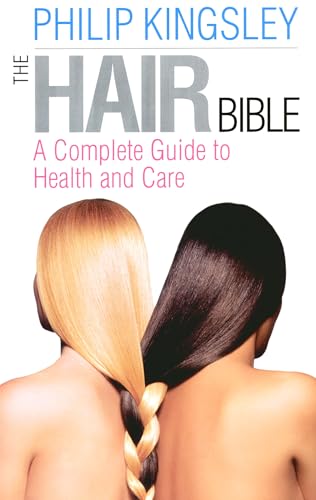
The Hair Bible: A Complete Guide to Health and Care - Kindle edition by Philip, Kingsley. Health, Fitness & Dieting Kindle eBooks @ Amazon.com.
In The Hair Bible, renowned tricologist Philip Kingsley provides you—whatever your age, sex, or race—with <strong>a complete guide to preserving and enhancing the health and appearance of one of your
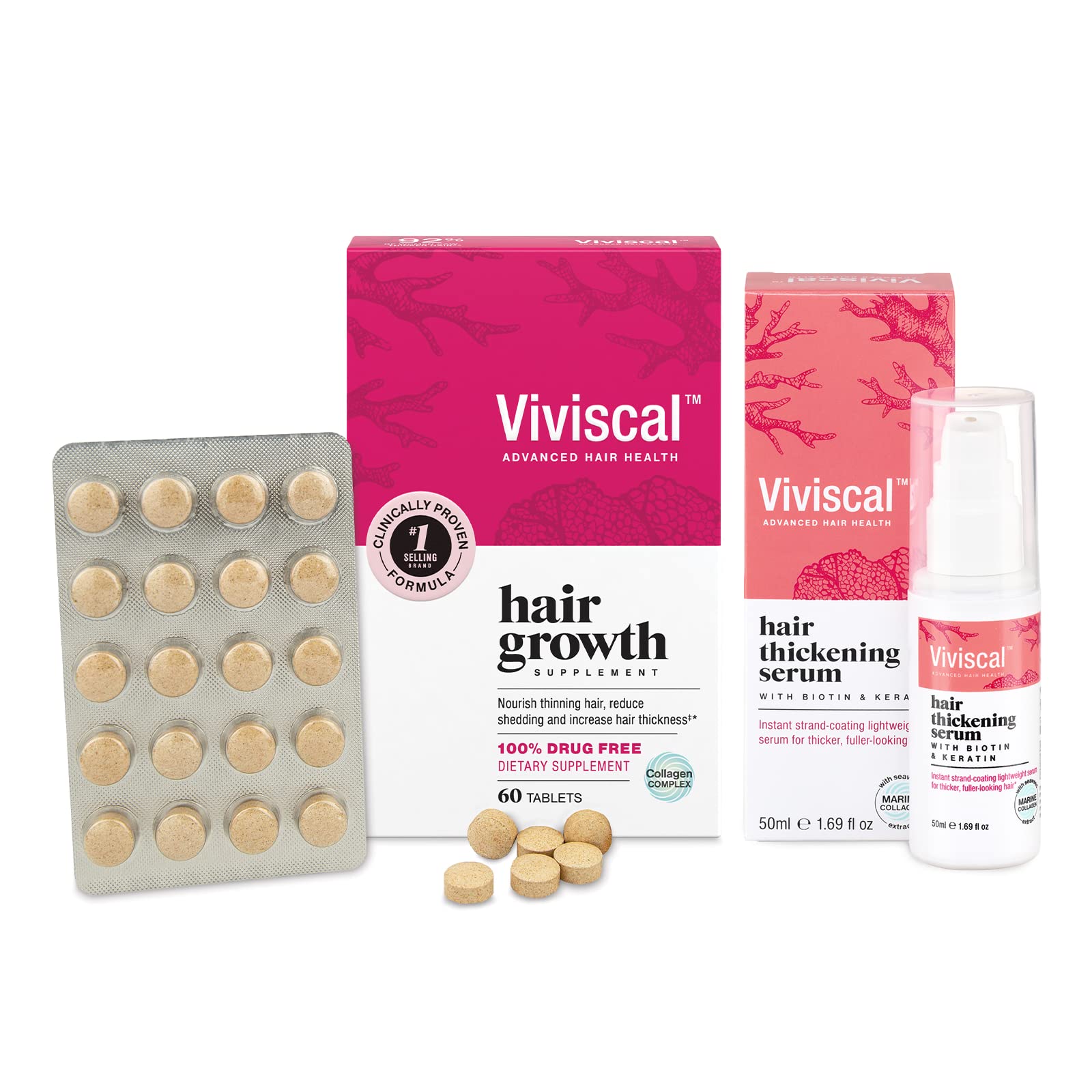
Viviscal Hair Growth Supplements For Women For Thicker, Fuller Hair, Nourishes Thinning & Loss, With Proprietary Collagen Complex, 60 Tablets, 1 Month Supply
CONVENIENT 1-MONTH SUPPLY – Includes 60 tablets for women’s hair growth, thicker hair, and natural hair regrowth; take two tablets daily for optimal results ... Loading content. ... Loading content. .
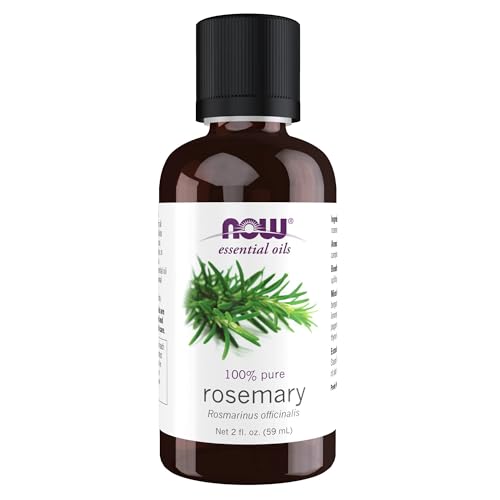
NOW Essential Oils, Rosemary Oil, Purifying Aromatherapy Scent, Steam Distilled, 100% Pure, Vegan, Child Resistant Cap, 1-Ounce
Amazon.com: NOW Essential Oils, Rosemary Oil, Purifying Aromatherapy Scent, Steam Distilled, 100% Pure, Vegan, Child Resistant Cap, 1-Ounce : Health & Household
Evidence & Sources
Promising research with growing clinical support from multiple studies
- American Academy of Dermatology
- NIH MedlinePlus
- National Institute of Arthritis and Musculoskeletal and Skin Diseases (NIAMS)
- National Center for Complementary and Integrative Health (NCCIH)
- Journal of the American Academy of Dermatology
- JAMA Dermatology
- British Journal of Dermatology
- Dermatologic Clinics
This content is for informational purposes only and does not constitute medical advice. Always consult a qualified healthcare provider before starting, stopping, or changing any supplement or medication regimen.