

Gut Barrier
Also known as: Intestinal Barrier, Mucosal Barrier
Gut Barrier Overview
The gut barrier refers to the multilayered system that separates the contents of the digestive tract from the internal environment of the body. Rather than being a single wall, it includes the intestinal lining, mucus layer, tight junction proteins between intestinal cells, immune defenses, digestive secretions, and the gut microbiome. Together, these components allow the body to absorb nutrients, water, and electrolytes while limiting the passage of pathogens, toxins, and incompletely digested food particles into the bloodstream.
This barrier is central to digestive and immune health. A large share of the body’s immune activity is associated with the gastrointestinal tract, and the intestinal lining is in constant contact with microbes, dietary compounds, and environmental exposures. Research suggests that when gut barrier function is altered—sometimes described as increased intestinal permeability—it may be associated with gastrointestinal disorders such as inflammatory bowel disease, celiac disease, and irritable bowel syndrome, as well as broader systemic inflammation in some contexts. However, the concept is often oversimplified in popular health discussions, and not every symptom pattern can be attributed to a “leaky gut.”
Normal gut barrier function depends on dynamic balance. The intestinal lining renews rapidly, mucus production varies by region of the gut, and microbial communities help regulate immune signaling and barrier integrity. Factors studied in relation to barrier disruption include infection, chronic inflammation, certain medications such as nonsteroidal anti-inflammatory drugs, alcohol, psychological stress, dietary patterns, and underlying diseases. At the same time, barrier changes may be either a cause, a consequence, or both, depending on the condition being studied.
Interest in the gut barrier has expanded because it sits at the intersection of gastroenterology, immunology, and microbiome science. Studies indicate that barrier integrity may influence not only digestive symptoms but also immune regulation and metabolic processes. Even so, measuring gut barrier function in clinical practice remains challenging, and many proposed interventions are still under active investigation. A balanced understanding recognizes the gut barrier as a legitimate physiological concept with growing relevance, while also acknowledging that some claims in wellness marketing go beyond the current evidence.
Medical Perspectives
Two Ways of Seeing Health

Western
scientific · clinical
Western medicine applies science, technology, and clinical experience to treat symptoms through testing, diagnosis, and targeted intervention.

Eastern
traditional · alternative
Eastern medicine focuses on treating the body naturally by applying traditional knowledge practiced for thousands of years, emphasizing balance and whole-person wellness.
Gold Bamboo presents both perspectives side-by-side so you can make informed decisions. We don't advocate for one over the other — your health choices are yours.
Western Medicine Perspective
Western / Conventional Medicine Perspective
In conventional medicine, the gut barrier is understood as a biological and structural defense system. Key elements include epithelial cells lining the intestine, tight junctions that regulate what passes between cells, antimicrobial peptides, secretory immunoglobulin A, and the intestinal microbiota. When this system is functioning well, it supports selective permeability: nutrients are absorbed while harmful organisms and inflammatory triggers are contained or neutralized. Disruption of this balance may contribute to local inflammation and immune activation.
Western research has most clearly linked altered intestinal permeability with specific conditions such as celiac disease, inflammatory bowel disease, intestinal infections, and consequences of some medications or alcohol exposure. In these settings, permeability changes can often be demonstrated with laboratory markers, biopsy findings, or sugar absorption tests used in research. There is also growing investigation into the gut barrier’s role in metabolic disorders, autoimmune disease, food hypersensitivity, and functional gastrointestinal disorders, although in many of these areas causality and clinical significance remain incompletely defined.
Conventional care generally does not treat the “gut barrier” as an isolated diagnosis. Instead, clinicians evaluate for underlying disorders that may affect barrier integrity, such as inflammatory disease, malabsorption, infection, medication injury, or dietary triggers in defined conditions. The medical approach focuses on understanding the cause of symptoms, reducing inflammation when present, and supporting overall gastrointestinal health through evidence-based management. Researchers continue to study biomarkers such as zonulin, microbial metabolites, and inflammatory mediators, but many are not yet considered definitive standalone diagnostic tools in routine practice.
Eastern & Traditional Perspective
Eastern / Traditional Medicine Perspective
Traditional medical systems generally do not describe the gut barrier in modern molecular terms, but many contain parallel concepts related to digestive integrity, transformation of food, mucosal resilience, and protection against harmful influences. In Traditional Chinese Medicine (TCM), digestive health is often associated with the functional strength of the Spleen and Stomach systems, which are understood to govern transformation and transport of nutrients. When these functions are thought to be weakened, patterns such as dampness, food stagnation, or accumulation of heat may be used to explain bloating, loose stools, fatigue, or sensitivity after eating. From this perspective, the body’s defensive capacity and digestive harmony are closely linked.
In Ayurveda, gut integrity is often discussed through the concepts of agni (digestive fire), proper formation of tissues, and the accumulation of ama, a traditional term referring to incompletely processed substances believed to burden the system. Disturbed digestion, irregular routines, stress, and incompatible foods are traditionally viewed as factors that may impair assimilation and systemic balance. While these frameworks differ from modern gastroenterology, they similarly emphasize that digestive function has body-wide effects.
Naturopathic and integrative traditions often place strong emphasis on the relationship between the intestinal lining, microbiome, inflammation, and immune balance. These systems commonly frame gut barrier support in terms of reducing irritants, improving digestive function, and restoring microbial ecology. Some botanical medicines, fermented foods, and mind-body practices have been traditionally used in these paradigms, though the quality of evidence varies substantially by intervention. As with conventional medicine, a cautious interpretation is important: traditional models can offer meaningful frameworks for understanding patterns of imbalance, but their concepts are not always directly interchangeable with modern measures of intestinal permeability.
Supplements & Products
Recommended Products

The Gut-Immune Connection: How Understanding the Connection Between Food and Immunity Can Help Us Regain Our Health – Groundbreaking Microbiome Research on Epidemic and Chronic Disease: Mayer, Emeran
The Gut-Immune Connection: <strong>How Understanding the Connection Between Food and Immunity Can Help Us Regain Our Health</strong> – Groundbreaking Microbiome Research on Epidemic and Chronic Diseas
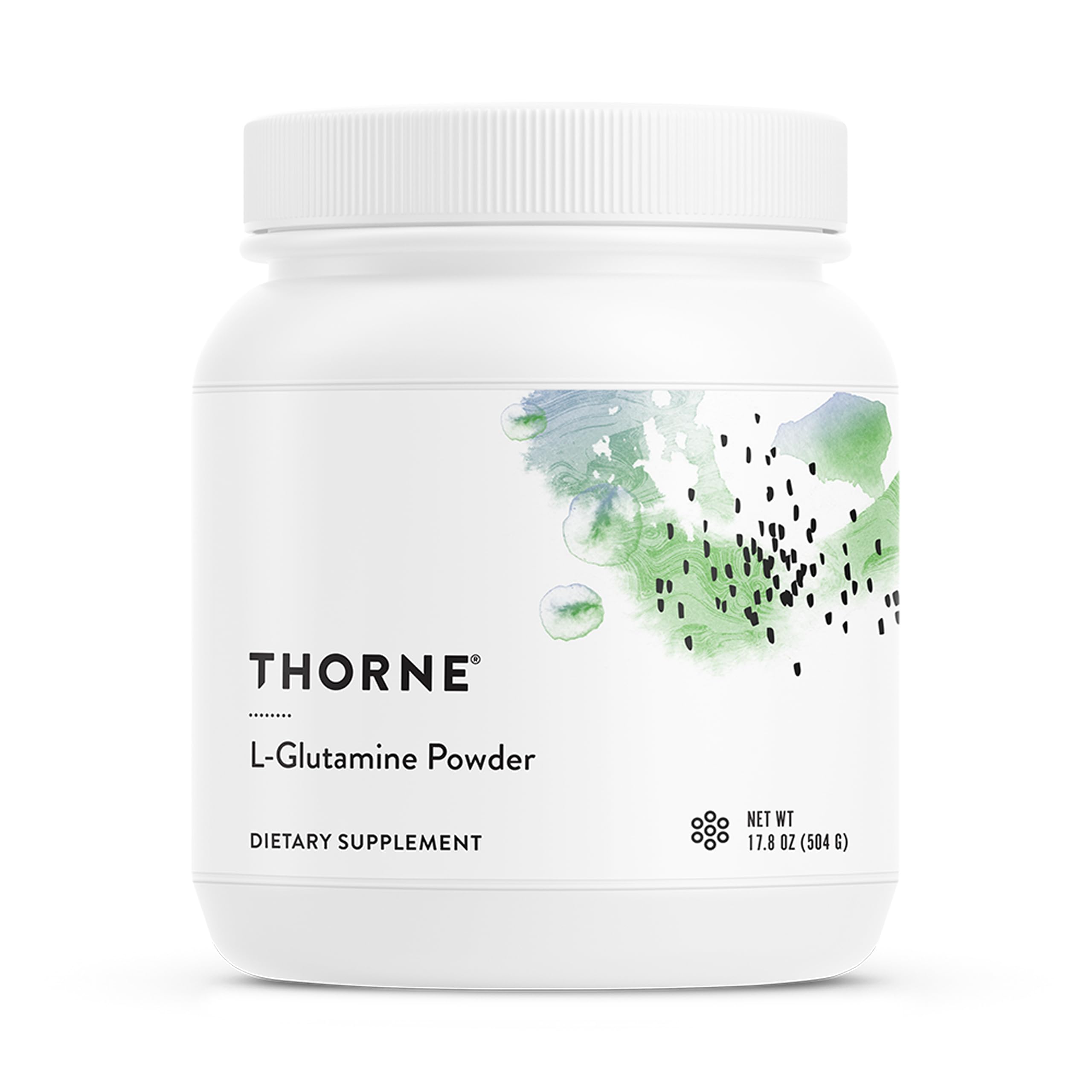
THORNE - L-Glutamine Powder - Glutamine Powder for GI Health and Immune Function* - 17.8 Oz
Momentous L-Glutamine Powder - <strong>Gut Health & Muscle Recovery Supplement - Boosts Exercise Performance & Immune Function</strong> - NSF Certified for Sport - 5 g - 60 Servings · Pure Enc

Jarrow Mastic Gum 1000mg & Doctor's Best PepZin GI Zinc-L-Carnosine Complex 120 Veggie Capsules Gastrointestinal & Digestive Support
Used for over 2500 years, mastic gum supports the health of stomach and duodenal cells. The Doctor's Best PepZin GI pairs zinc with L-carnosine, <strong>an antioxidant complex developed in Japan
Evidence & Sources
Promising research with growing clinical support from multiple studies
- Nature Reviews Gastroenterology & Hepatology
- Physiological Reviews
- World Journal of Gastroenterology
- Gut
- The Lancet Gastroenterology & Hepatology
- National Institute of Diabetes and Digestive and Kidney Diseases (NIDDK)
- National Center for Complementary and Integrative Health (NCCIH)
- World Health Organization (WHO)
This content is for informational purposes only and does not constitute medical advice. Always consult a qualified healthcare provider before starting, stopping, or changing any supplement or medication regimen.