

Detoxification Pathways
Also known as: Detox Pathways, Metabolic Pathways
Overview
Detoxification pathways refer to the body's built-in biological systems for transforming, transporting, and eliminating potentially harmful substances. In modern physiology, this term most often describes the coordinated work of the liver, kidneys, gastrointestinal tract, lungs, skin, lymphatic circulation, and immune system in processing endogenous waste products as well as external compounds such as medications, alcohol, pollutants, and dietary chemicals. Rather than a single organ or event, detoxification is an ongoing, tightly regulated set of metabolic and excretory processes that helps maintain internal balance, or homeostasis.
The liver is central to this process because it chemically modifies substances so they can be used, stored, or excreted. These reactions are often described in stages, including Phase I biotransformation (largely carried out by cytochrome P450 enzymes), Phase II conjugation (such as glucuronidation, sulfation, methylation, acetylation, and glutathione conjugation), and Phase III transport, in which compounds are moved into bile or urine for elimination. The kidneys then filter blood, regulate fluid and electrolyte balance, and excrete water-soluble waste products through urine. The gastrointestinal tract also contributes by eliminating bile-bound metabolites in stool, while the lungs exhale volatile compounds and carbon dioxide.
Detoxification pathways have become a common topic in wellness culture, but the scientific meaning differs from popular ideas about "cleanses" or rapid toxin removal. In medicine, detoxification is not typically viewed as a short-term reset but as a continuous physiologic function influenced by genetics, nutrition, age, disease states, medication exposures, alcohol use, environmental burden, sleep, and overall metabolic health. When these pathways are impaired, the result may be accumulation of specific compounds, altered drug metabolism, organ dysfunction, or systemic illness rather than a vague state of "toxicity."
Interest in detoxification pathways is significant because environmental exposures, polypharmacy, fatty liver disease, chronic kidney disease, and industrial chemical contact can all affect how the body processes and clears substances. At the same time, many marketed detox claims exceed the evidence. Research supports the importance of healthy liver and kidney function, antioxidant systems, and nutrient-dependent metabolic pathways, but evidence for commercial detox products remains mixed and often limited. For that reason, discussions of detoxification are most reliable when grounded in established physiology and interpreted with input from qualified healthcare professionals.
Medical Perspectives
Two Ways of Seeing Health

Western
scientific · clinical
Western medicine applies science, technology, and clinical experience to treat symptoms through testing, diagnosis, and targeted intervention.

Eastern
traditional · alternative
Eastern medicine focuses on treating the body naturally by applying traditional knowledge practiced for thousands of years, emphasizing balance and whole-person wellness.
Gold Bamboo presents both perspectives side-by-side so you can make informed decisions. We don't advocate for one over the other — your health choices are yours.
Western Medicine Perspective
Western Medicine Perspective
In conventional medicine, detoxification pathways are understood as biochemical and organ-based systems that transform and eliminate potentially harmful substances. The liver plays a leading role through enzyme systems that convert fat-soluble compounds into more water-soluble metabolites for excretion. Phase I enzymes, particularly the cytochrome P450 family, may activate, deactivate, or modify drugs and chemicals. Phase II pathways then attach molecules such as glutathione, sulfate, or glucuronic acid to make metabolites easier to remove. The kidneys subsequently filter circulating waste, while bile secretion, intestinal motility, and the microbiome influence whether compounds leave the body in stool or are reabsorbed.
Clinical medicine evaluates detoxification primarily through the lens of organ function, toxicology, and pharmacology. Liver enzymes, bilirubin, albumin, clotting measures, kidney filtration markers, urinalysis, and medication metabolism are used to assess how well these systems are functioning. When detoxification is impaired, physicians may consider causes such as hepatitis, cirrhosis, metabolic dysfunction-associated steatotic liver disease, acute kidney injury, chronic kidney disease, genetic enzyme differences, malnutrition, alcohol-related harm, or exposure to drugs and industrial toxins. In toxicology, acute poisonings are managed with targeted interventions, supportive care, and in some cases antidotes, rather than generalized detox regimens.
Research also recognizes that detoxification capacity is shaped by nutrition and redox balance. Amino acids, B vitamins, sulfur-containing compounds, and antioxidants such as glutathione are involved in normal metabolic processing, and oxidative stress can alter liver and kidney resilience. However, this does not automatically validate over-the-counter detox programs. Studies suggest that some dietary patterns rich in plant foods may support normal hepatic and renal health, but claims that juices, teas, supplements, or short cleanses can "flush toxins" in healthy people are generally not well established. Conventional medicine therefore tends to distinguish clearly between evidence-based support of organ health and commercial detox marketing.
Healthcare professionals generally emphasize that suspected toxin exposure, jaundice, swelling, reduced urination, confusion, medication reactions, or signs of liver or kidney disease warrant medical evaluation. Because many supplements can alter drug metabolism or stress the liver, discussions of detox-related products are best approached cautiously and in consultation with a licensed clinician.
Eastern & Traditional Perspective
Eastern and Traditional Medicine Perspective
In Traditional Chinese Medicine (TCM), the concept of detoxification does not map exactly onto Phase I and Phase II liver biotransformation, but related ideas appear in discussions of clearing heat, resolving dampness, moving qi, supporting the Liver system, and eliminating pathogenic accumulation. The TCM Liver is associated with the smooth flow of qi and blood, while the Spleen and digestive system are seen as central to transformation and transport. Symptoms that modern wellness culture might label as "toxin buildup" may in TCM be interpreted through patterns such as damp-heat, phlegm accumulation, stagnation, or impaired digestive transformation. Herbal formulas and acupuncture have traditionally been used to support these patterns, though they are selected according to individualized diagnosis rather than a universal detox model.
In Ayurveda, comparable ideas are often framed around agni (digestive and metabolic fire), ama (incompletely processed metabolic residue), and the function of elimination through the bowel, urine, sweat, and other channels. From this perspective, efficient transformation and removal of waste are essential for systemic balance. Traditional Ayurvedic approaches may include dietary regulation, digestive support, sweating practices, seasonal cleansing concepts, and classical purification systems such as Panchakarma. These methods are rooted in longstanding theory and clinical tradition, although modern scientific validation varies widely depending on the intervention studied.
Naturopathic and integrative medicine often use the language of detoxification pathways more directly, combining conventional biochemistry with traditional therapeutic frameworks. These approaches may focus on supporting liver metabolism, bowel regularity, hydration, sweating, and nutritional cofactors involved in normal elimination. Some research has explored botanicals and foods such as milk thistle, cruciferous vegetables, turmeric, green tea compounds, and sulfur-containing plants for their effects on antioxidant signaling or hepatic enzymes, but findings are mixed and not always sufficient for broad clinical conclusions.
Across traditional systems, a recurring theme is that elimination and metabolic balance are tied to the whole person: digestion, sleep, stress, environment, and constitutional factors all matter. At the same time, traditional concepts of burden or stagnation are not identical to medically confirmed toxic exposure or organ failure. For that reason, integrative discussions of detoxification are most useful when they respect traditional frameworks while also recognizing the importance of modern diagnosis, laboratory assessment, and professional oversight.
Supplements & Products
Recommended Products
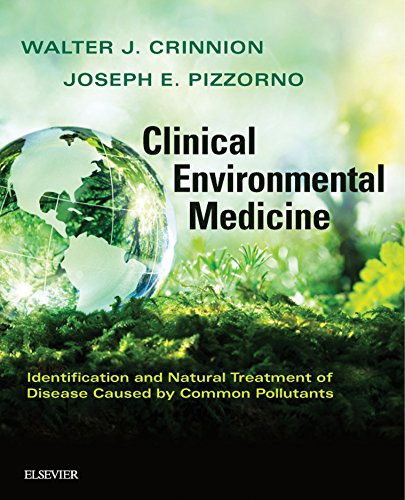
Clinical Environmental Medicine: Identification and Natural Treatment of Diseases Caused by Common Pollutants 1, Crinnion, Walter J., Pizzorno ND, Joseph E. - Amazon.com
The first edition of this text ... authors Walter Crinnion and Joseph E. Pizzorno offer <strong>practical guidance for assessing both total body load as well as specific toxins</strong>....
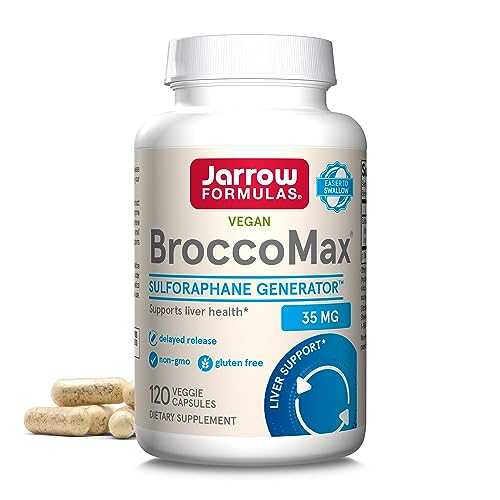
Jarrow Formulas BroccoMax Sulforaphane Generator 35 mg, Sulforaphane Glucosinolate & Myrosinase, Broccoli Seed Supplement for Liver Health Support, 60 Delayed Release Veggie Capsules, 30 Day Supply : Everything Else
BroccoMax delivers <strong>35 mg of Sulforaphane Glucosinolate (SGS) per serving, which is the precursor to Sulforaphane and supports phase 1 detoxification</strong>.(1) This supplement also includes
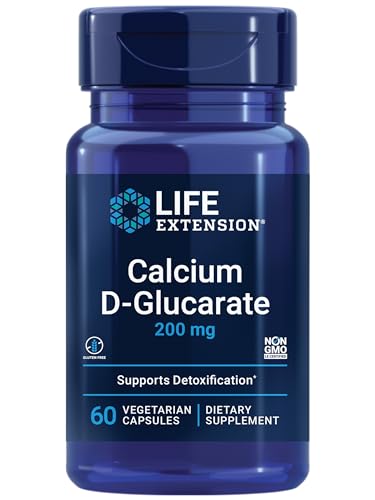
Life Extension Calcium D-Glucarate, 200 mg - Supports Detoxification, Helps Flush Out Unwanted Compounds – Gluten-Free, Non-GMO, Vegetarian – 60 Capsules
Seeking Health Calcium D-Glucarate - Calcium Supplement Supports Gut Health & Metabolism - Formula with Calcium D-Glucarate to Support Liver Health - 250 mg, 60 Capsules · Calcium D-Glucarate | 50
Evidence & Sources
Promising research with growing clinical support from multiple studies
- National Institute of Diabetes and Digestive and Kidney Diseases (NIDDK)
- National Institute of Environmental Health Sciences (NIEHS)
- National Center for Complementary and Integrative Health (NCCIH)
- World Health Organization (WHO)
- Goodman & Gilman's The Pharmacological Basis of Therapeutics
- New England Journal of Medicine
- Nature Reviews Gastroenterology & Hepatology
- Clinical Journal of the American Society of Nephrology
This content is for informational purposes only and does not constitute medical advice. Always consult a qualified healthcare provider before starting, stopping, or changing any supplement or medication regimen.