

Connective Tissue
Also known as: Support Tissue, Binding Tissue
Overview
Connective tissue is the body’s structural network. It supports, binds, cushions, and separates other tissues and organs, helping the body maintain form while also allowing movement, repair, and communication between different systems. This broad category includes fascia, tendons, ligaments, cartilage, bone, adipose tissue, synovial membranes, and the extracellular matrix that surrounds cells. Blood is also considered a specialized connective tissue in conventional anatomy. Together, these tissues provide tensile strength, elasticity, shock absorption, and mechanical continuity across the body.
Connective tissue is composed of cells, fibers, and ground substance. Key fibers include collagen, which provides strength; elastin, which allows stretch and recoil; and reticular fibers, which create supportive mesh-like frameworks. The ground substance contains water, proteoglycans, and glycosaminoglycans such as hyaluronic acid, which help tissues remain hydrated and resilient. Because connective tissue is present nearly everywhere in the body, changes in its integrity can affect mobility, joint comfort, wound healing, skin quality, and organ support.
From a health perspective, connective tissue is relevant in both everyday function and disease. Normal aging, repetitive strain, inactivity, nutritional deficiencies, inflammation, autoimmune activity, and genetic conditions can all influence connective tissue quality. Common clinical concerns involve osteoarthritis, tendon and ligament injuries, myofascial pain, fibrotic conditions, hypermobility syndromes, and systemic connective tissue diseases such as lupus, scleroderma, and rheumatoid arthritis. Research increasingly also examines the role of fascia in movement, pain signaling, and whole-body biomechanics.
Because connective tissue spans multiple organs and disciplines, it is often understood not as a single organ system but as a body-wide matrix that integrates structure and function. Conventional medicine tends to study it through anatomy, biomechanics, rheumatology, sports medicine, and rehabilitation. Traditional systems often describe related concepts in terms of body framework, nourishment of tissues, circulation of vital substances, and the balance between mobility and stability. Across perspectives, connective tissue is recognized as foundational to resilience, support, and coordinated movement.
Medical Perspectives
Two Ways of Seeing Health

Western
scientific · clinical
Western medicine applies science, technology, and clinical experience to treat symptoms through testing, diagnosis, and targeted intervention.

Eastern
traditional · alternative
Eastern medicine focuses on treating the body naturally by applying traditional knowledge practiced for thousands of years, emphasizing balance and whole-person wellness.
Gold Bamboo presents both perspectives side-by-side so you can make informed decisions. We don't advocate for one over the other — your health choices are yours.
Western Medicine Perspective
Western Medicine Perspective
In conventional medicine, connective tissue is understood through histology, biomechanics, immunology, and tissue repair science. Different connective tissues have distinct properties: tendons transmit force from muscle to bone, ligaments stabilize joints, cartilage reduces friction and distributes load, and fascia forms continuous sheets and compartments around muscles, nerves, and organs. These tissues respond to mechanical loading, inflammation, hormonal influences, and aging. Studies indicate that collagen turnover, hydration, and fiber organization all affect tissue performance and recovery.
Clinical evaluation of connective tissue often depends on the problem being studied. Rheumatology focuses on autoimmune and systemic connective tissue diseases, orthopedics and sports medicine assess injury and degeneration, and rehabilitation medicine examines movement patterns, fascial restriction, and functional recovery. Imaging tools such as ultrasound, MRI, and X-ray, along with laboratory markers for inflammation or autoimmunity, may help characterize connective tissue disorders. Researchers also study fibroblasts, extracellular matrix remodeling, and inflammatory signaling to better understand chronic pain, fibrosis, and degeneration.
Conventional management approaches vary widely by condition and may include physical rehabilitation, exercise-based therapy, manual therapy, anti-inflammatory strategies, surgical repair, or disease-modifying medications in autoimmune disease. For cartilage loss and osteoarthritis, the focus is often on symptom management and preserving function; for tendon and ligament injuries, graded loading and tissue-specific rehabilitation are central areas of study. Interest has also grown in fascia-focused research, though terminology and measurement remain less standardized than for bone, cartilage, or tendon.
Overall, western medicine views connective tissue as a dynamic, remodeling system rather than inert scaffolding. Current research suggests that tissue quality is influenced by mechanical stimulus, metabolic health, immune activity, and time-dependent healing processes. However, connective tissue disorders are highly diverse, so conclusions from one tissue type or condition do not always apply broadly across the entire system.
Eastern & Traditional Perspective
Eastern/Traditional Medicine Perspective
Traditional medical systems generally do not define connective tissue in the same anatomical terms used in modern biomedicine, but they describe functional networks that overlap with its roles in support, cohesion, lubrication, flexibility, and structural integrity. In Traditional Chinese Medicine (TCM), the health of sinews, muscles, joints, and body fluids is often discussed through relationships involving the Liver, Kidney, Spleen, and Blood. Tendons and ligaments are classically associated with the Liver system, while bones and deeper constitutional strength are linked to the Kidney system. Joint stiffness, weakness, or impaired mobility may be interpreted through patterns involving wind, dampness, cold, blood deficiency, or stagnation.
Within Ayurveda, connective structures may be considered through the framework of dhatus (body tissues), especially mamsa dhatu (muscle tissue), asthi dhatu (bone tissue), and the lubricating role of shleshaka kapha in joints. Fascia and tissue continuity are not always mapped one-to-one with modern anatomy, yet concepts of tissue nourishment, dryness, depletion, accumulation, and impaired movement are central. Imbalances in Vata dosha are traditionally associated with cracking joints, stiffness, degeneration, and variable pain, while disrupted tissue metabolism may be understood through agni and the formation of weaker tissue layers.
Naturopathic and integrative traditions often place emphasis on connective tissue as a reflection of whole-body resilience, examining factors such as inflammation, digestion, circulation, stress load, posture, and recovery capacity. Manual systems—including some forms of bodywork, myofascial therapies, and osteopathic traditions—have historically treated fascia and related tissues as interconnected networks influencing mobility and discomfort patterns. Research on these models is growing, but the terminology, mechanisms, and outcome measures are still evolving.
Across eastern and traditional frameworks, connective tissue health is commonly viewed as dependent on adequate nourishment, fluid balance, circulation, and harmonious movement. These systems often emphasize pattern recognition and constitutional tendencies rather than isolated tissue pathology. While many traditional interpretations remain difficult to study using conventional biomedical methods, they continue to inform integrative approaches to joint comfort, flexibility, and musculoskeletal well-being.
Supplements & Products
Recommended Products
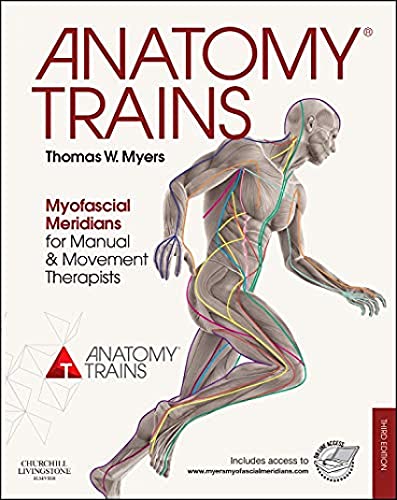
Anatomy Trains: Myofascial Meridians for Manual and Movement Therapists: Thomas W. Myers
Anatomy Trains: <strong>Myofascial Meridians for Manual and Movement Therapists</strong> presents a unique ‘whole systems’ view of myofascial/locomotor anatomy in which the bodywide connections among

Vital Proteins Collagen Peptides Powder Advanced with Hyaluronic Acid & Vitamin C, 20oz Collagen Protein, Unflavored, 27 Servings
SUPPORTS COLLAGEN PRODUCTION: With 100% daily value of Vitamin C, this Vital Proteins Collagen Peptides Advanced Powder <strong>helps promote collagen production which is important for maintaining hea

Jarrow Formulas Hyaluronic Acid 120 mg, Dietary Supplement, Skin Health Support, 60 Veggie Capsules, Up to 30 Day Supply
Jarrow Formulas Hyaluronic Acid is <strong>a solution for skin health</strong>.* This exceptional formula utilizes the power of hyaluronic acid, a vital component found in the body's joint cartil
Evidence & Sources
Promising research with growing clinical support from multiple studies
- National Library of Medicine (StatPearls): Histology, Connective Tissue
- Nature Reviews Rheumatology
- The Lancet Rheumatology
- Journal of Anatomy
- Journal of Orthopaedic & Sports Physical Therapy
- Current Opinion in Rheumatology
- National Institute of Arthritis and Musculoskeletal and Skin Diseases (NIAMS)
- National Center for Complementary and Integrative Health (NCCIH)
- World Health Organization (WHO) Traditional Medicine Strategy
- Frontiers in Physiology
This content is for informational purposes only and does not constitute medical advice. Always consult a qualified healthcare provider before starting, stopping, or changing any supplement or medication regimen.